

NOAA unveils mobile radars to speed up storm warnings and protect lives
The data gathered by the new mobile radars will be used to improve NOAA’s weather forecasts, providing earlier and more accurate warnings that help protect lives and property during severe storms.
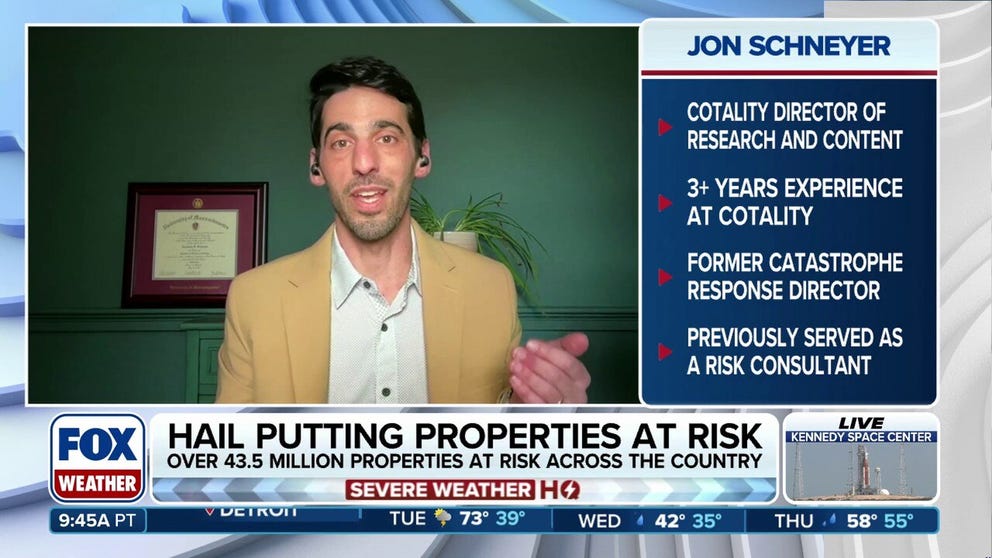
New data indicates hailstorms can be as destructive as Category 4 Hurricanes, expert says
Jon Schneyer, Director of Research and Content at Cotality, joins FOX Weather to explain how hailstorms can pack the destructive power of a Category 4 hurricane. Across the U.S., over 43.5 million properties are at risk.
Severe weather season has already arrived in force, bringing damaging hail, torrential rain, fierce winds and dozens of tornadoes, with at least two reaching the strength of an EF3.
These severe storms have torn across the Heartland region, taking lives and destroying homes and communities.
And with that, the season has only just begun.
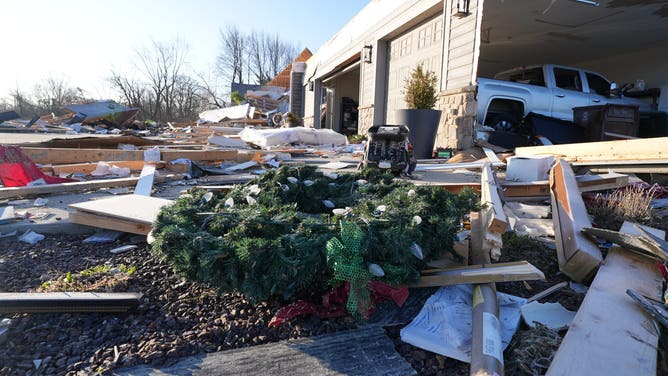
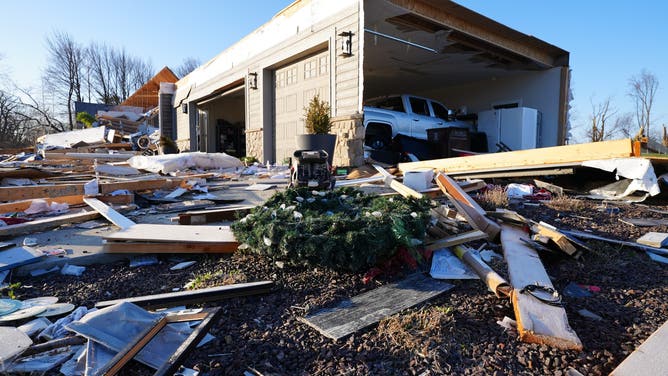
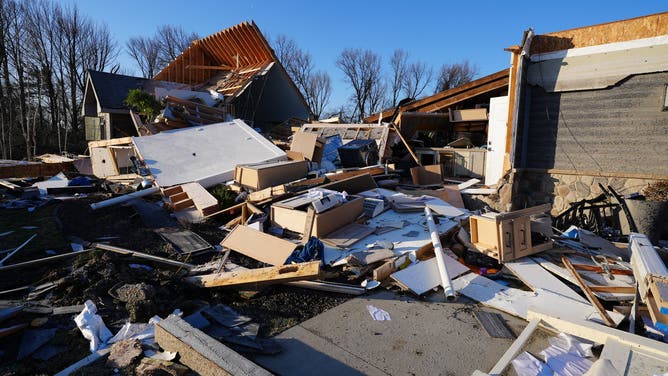
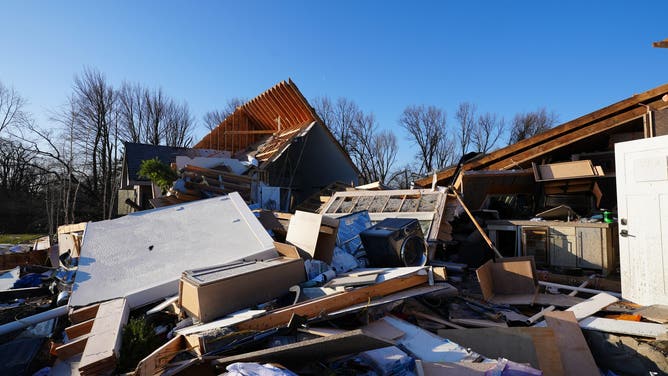
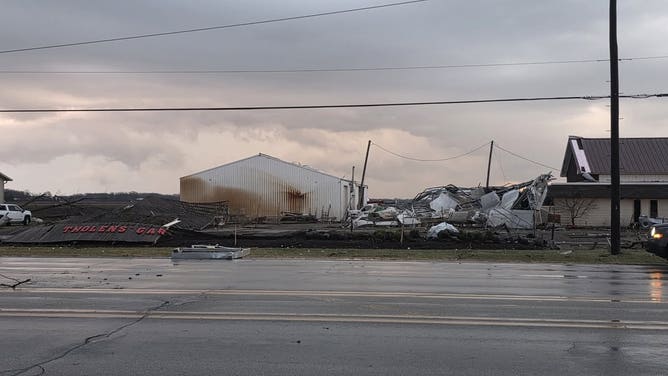
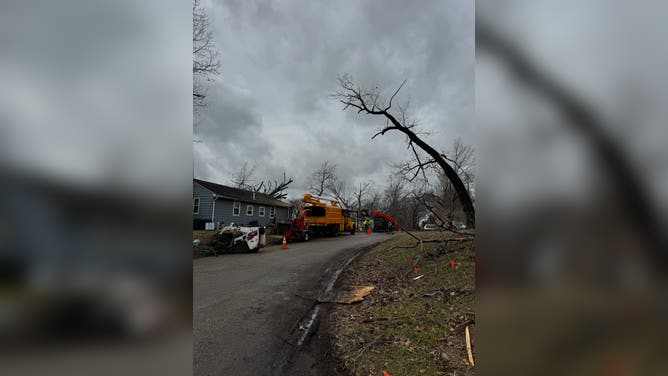
![Photos from the ground in Aroma Park, Illinois, on March 12 capture the devastating destruction in Kankakee County after a tornado ripped through March 10]() Image 1 of 29
Image 1 of 29Photos from the ground in Aroma Park, Illinois, on March 12 capture the devastating destruction in Kankakee County after a tornado ripped through March 10. (FOX Weather Correspondent Katie Byrne )
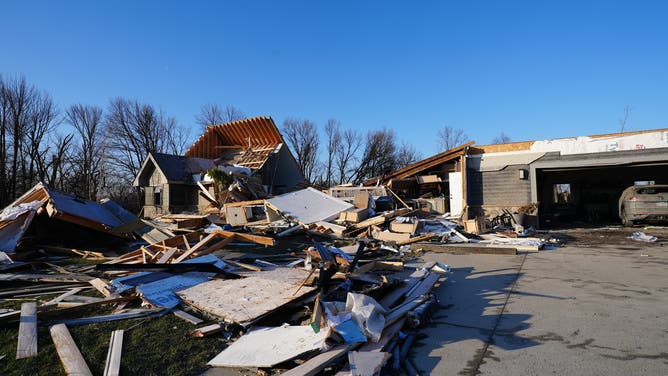
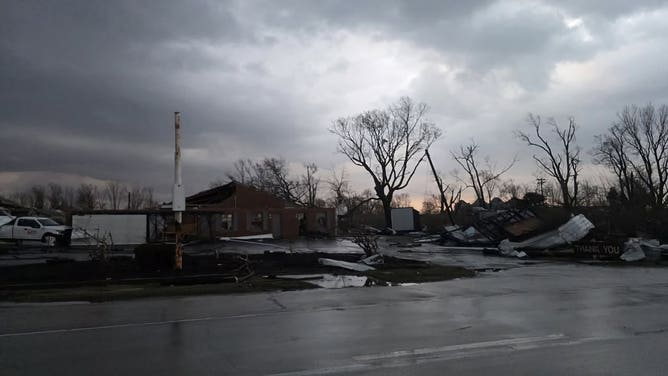
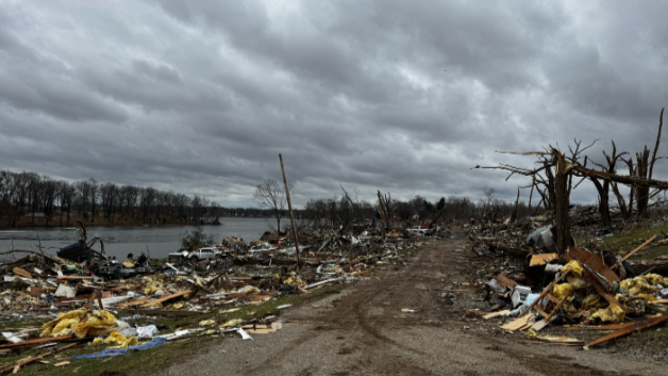
![Photos from the ground in Aroma Park, Illinois, on March 12 capture the devastating destruction in Kankakee County after a tornado ripped through March 10]() Image 2 of 29
Image 2 of 29Photos from the ground in Aroma Park, Illinois, on March 12 capture the devastating destruction in Kankakee County after a tornado ripped through March 10. (FOX Weather Correspondent Katie Byrne )
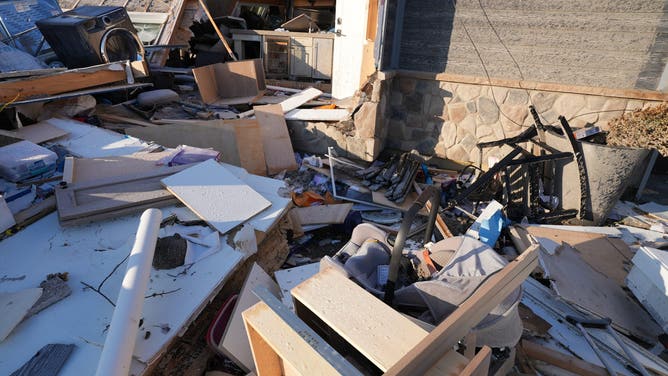
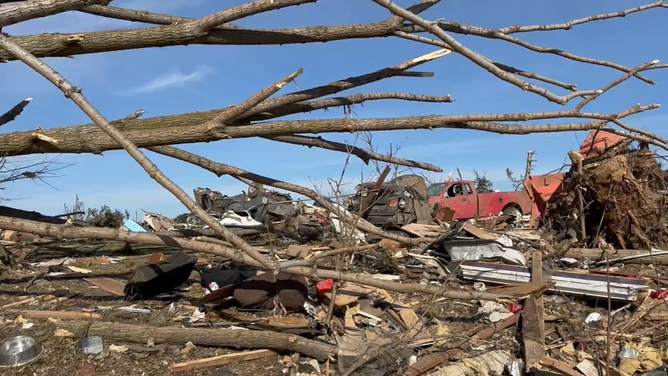
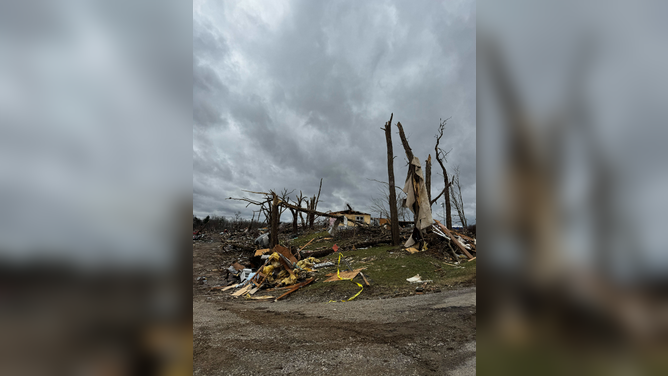
![Photos from the ground in Aroma Park, Illinois, on March 12 capture the devastating destruction in Kankakee County after a tornado ripped through March 10]() Image 3 of 29
Image 3 of 29Photos from the ground in Aroma Park, Illinois, on March 12 capture the devastating destruction in Kankakee County after a tornado ripped through March 10. (FOX Weather Correspondent Katie Byrne )
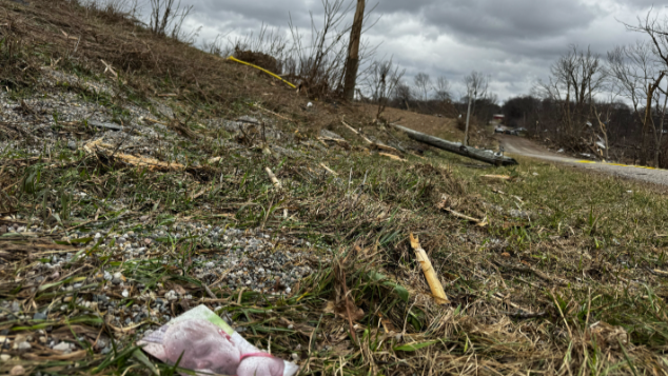
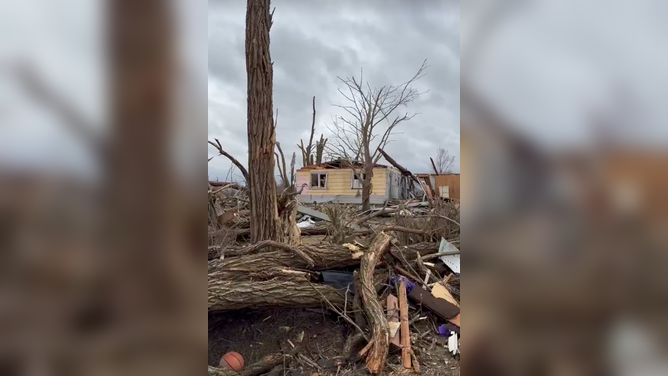
![Photos from the ground in Aroma Park, Illinois, on March 12 capture the devastating destruction in Kankakee County after a tornado ripped through March 10]() Image 4 of 29
Image 4 of 29Photos from the ground in Aroma Park, Illinois, on March 12 capture the devastating destruction in Kankakee County after a tornado ripped through March 10. (FOX Weather Correspondent Katie Byrne )
![Photos from the ground in Aroma Park, Illinois, on March 12 capture the devastating destruction in Kankakee County after a tornado ripped through March 10]() Image 5 of 29
Image 5 of 29Photos from the ground in Aroma Park, Illinois, on March 12 capture the devastating destruction in Kankakee County after a tornado ripped through March 10. (FOX Weather Correspondent Katie Byrne )
![Photos from the ground in Aroma Park, Illinois, on March 12 capture the devastating destruction in Kankakee County after a tornado ripped through March 10]() Image 6 of 29
Image 6 of 29Photos from the ground in Aroma Park, Illinois, on March 12 capture the devastating destruction in Kankakee County after a tornado ripped through March 10. (FOX Weather Correspondent Katie Byrne )
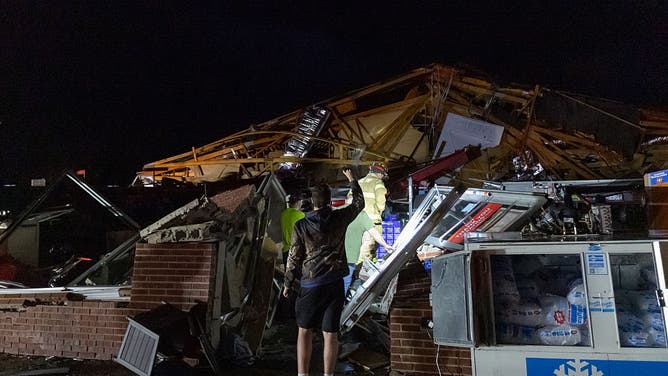
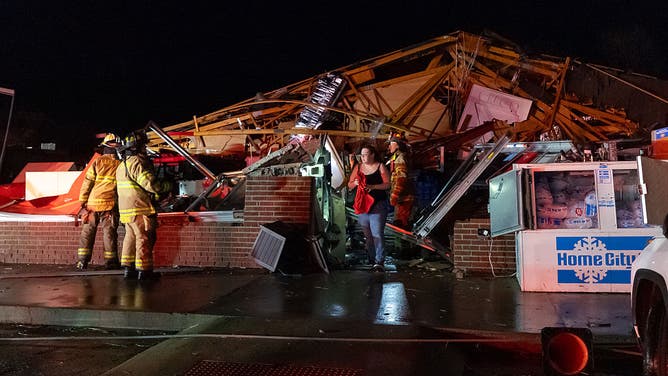
![LAKE VILLAGE, INDIANA - MARCH 10: First responders survey a destroyed Family Dollar store where two employees were trapped and later rescued uninjured after a tornado struck on March 10, 2026 in Lake Village, Indiana. The National Weather Service had issued an urgent warning about a large tornado moving through the area, calling it a "life-threatening situation."]() Image 7 of 29
Image 7 of 29LAKE VILLAGE, INDIANA - MARCH 10: First responders survey a destroyed Family Dollar store where two employees were trapped and later rescued uninjured after a tornado struck on March 10, 2026 in Lake Village, Indiana. The National Weather Service had issued an urgent warning about a large tornado moving through the area, calling it a "life-threatening situation." ((Photo by Michael Hickey/Getty Images))
![LAKE VILLAGE, INDIANA - MARCH 10: An employee emerges after being rescued from a Family Dollar store destroyed by a tornado on March 10, 2026 in Lake Village, Indiana. The National Weather Service had issued an urgent warning about a large tornado moving through the area, calling it a "life-threatening situation."]() Image 8 of 29
Image 8 of 29LAKE VILLAGE, INDIANA - MARCH 10: An employee emerges after being rescued from a Family Dollar store destroyed by a tornado on March 10, 2026 in Lake Village, Indiana. The National Weather Service had issued an urgent warning about a large tornado moving through the area, calling it a "life-threatening situation." ((Photo by Michael Hickey/Getty Images))
![Photos from the ground in Aroma Park, Illinois, on March 12 capture the devastating destruction in Kankakee County after a tornado ripped through March 10]() Image 9 of 29
Image 9 of 29Photos from the ground in Aroma Park, Illinois, on March 12 capture the devastating destruction in Kankakee County after a tornado ripped through March 10 (FOX Weather Correspondent Katie Byrne )
![Photos from the ground in Aroma Park, Illinois, on March 12 capture the devastating destruction in Kankakee County after a tornado ripped through March 10]() Image 10 of 29
Image 10 of 29Photos from the ground in Aroma Park, Illinois, on March 12 capture the devastating destruction in Kankakee County after a tornado ripped through March 10 (FOX Weather Correspondent Katie Byrne )
![Photos from the ground in Aroma Park, Illinois, on March 12 capture the devastating destruction in Kankakee County after a tornado ripped through March 10]() Image 11 of 29
Image 11 of 29Photos from the ground in Aroma Park, Illinois, on March 12 capture the devastating destruction in Kankakee County after a tornado ripped through March 10 (FOX Weather Correspondent Katie Byrne )
![]() Image 12 of 29
Image 12 of 29The Kankakee Country Sheriff's Office continues to work with emergency personnel from agencies to assess the damage from tornado that ripped through the region on March 10. (Downburst Daan / Facebook)
![]() Image 13 of 29
Image 13 of 29Multiple buildings are torn apart in Kankakee, IL after a tornado impacted the area on March 10. (Downburst Daan / Facebook)
![]() Image 14 of 29
Image 14 of 29Damage caused by a tornado in Union City, Michigan. (FOX Weather)
![A photo is scattered on a Union City, MI, lawn on March 7 after deadly tornado outbreak]() Image 15 of 29
Image 15 of 29A photo is scattered on a Union City, MI, lawn on March 7 after deadly tornado outbreak (Celena Sanchez / FOX Weather)
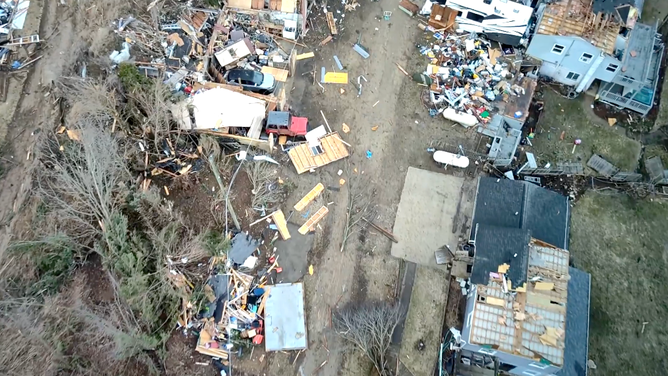
![Drone video over Union City, Michigan following crippling damage from an EF-3 tornado.]() Image 16 of 29
Image 16 of 29Drone video over Union City, Michigan following crippling damage from an EF-3 tornado. (Michigan State Police Aviation Unit)
![Widespread tornado damage in Union City, MI, March 7.]() Image 17 of 29
Image 17 of 29Widespread tornado damage in Union City, MI, March 7. (Haley Meier)
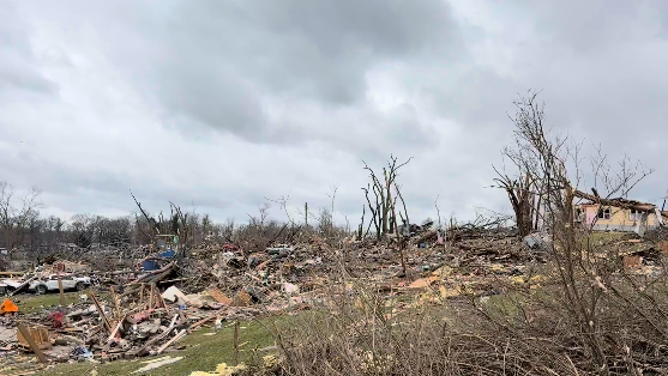
![Widespread tornado damage in Union City, MI, March 7.]() Image 18 of 29
Image 18 of 29Widespread tornado damage in Union City, MI, March 7. (Celena Sanchez / FOX Weather)
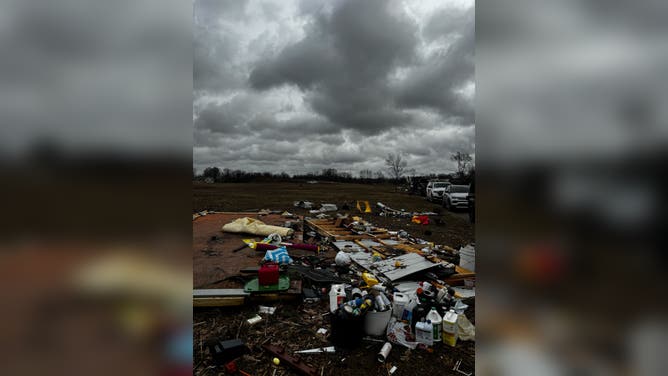
![Widespread tornado damage in Union City, MI, March 7.]() Image 19 of 29
Image 19 of 29Widespread tornado damage in Union City, MI, March 7. (Celena Sanchez / FOX Weather)
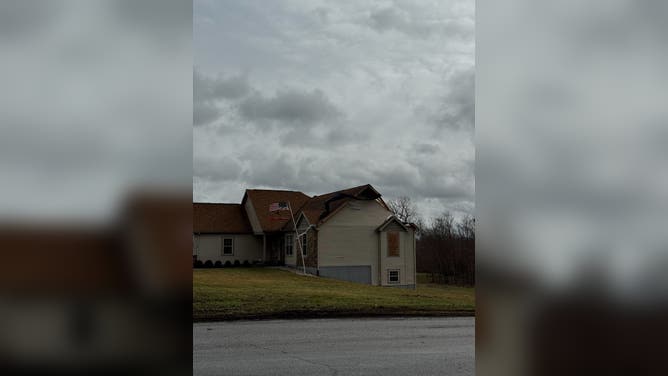
![Widespread tornado damage in Union City, MI, March 7.]() Image 20 of 29
Image 20 of 29Widespread tornado damage in Union City, MI, March 7. (Celena Sanchez / FOX Weather)
![Widespread tornado damage in Union City, MI, March 7.]() Image 21 of 29
Image 21 of 29Widespread tornado damage in Union City, MI, March 7. (Celena Sanchez / FOX Weather)
![Widespread tornado damage in Union City, MI, March 7.]() Image 22 of 29
Image 22 of 29Widespread tornado damage in Union City, MI, March 7. (Celena Sanchez / FOX Weather)
![Widespread tornado damage in Union City, MI, March 7.]() Image 23 of 29
Image 23 of 29Widespread tornado damage in Union City, MI, March 7. (Celena Sanchez / FOX Weather)
![Widespread tornado damage in Union City, MI, March 7.]() Image 24 of 29
Image 24 of 29Widespread tornado damage in Union City, MI, March 7. (Celena Sanchez / FOX Weather)
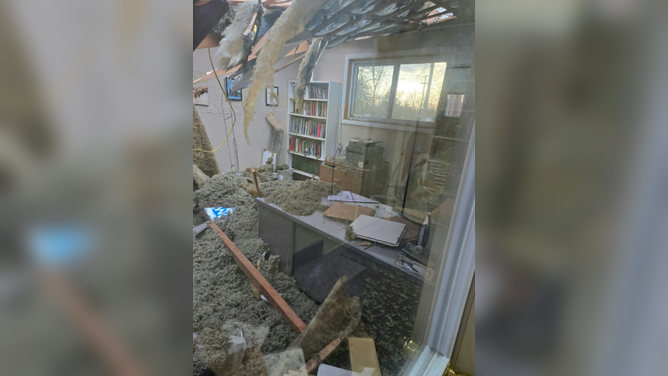
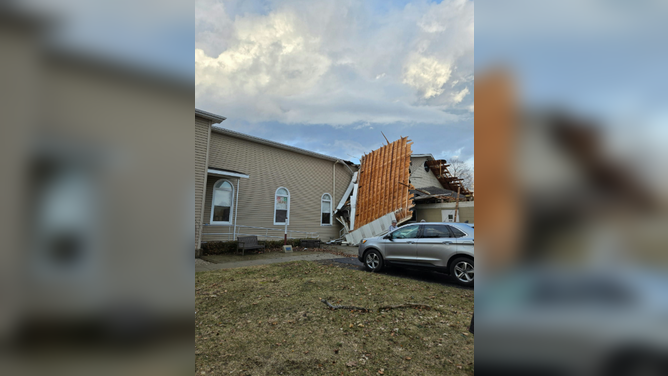
![Tornado damages church in Union City, MI, Friday March 6]() Image 25 of 29
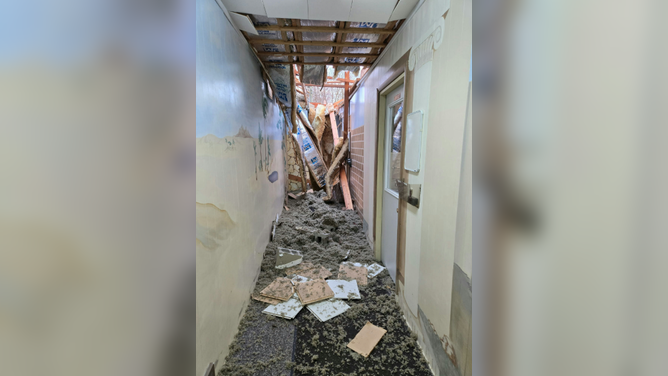
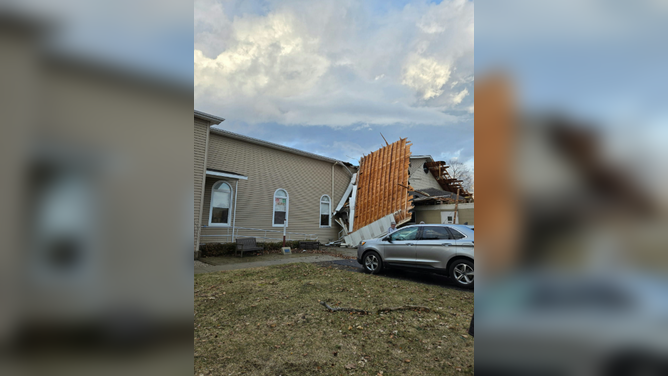
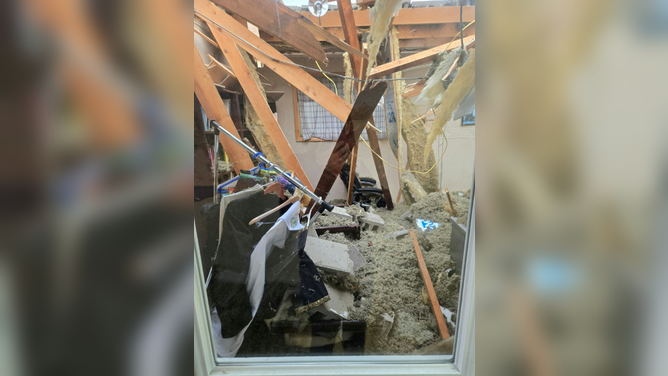
Image 25 of 29Tornado damages church in Union City, MI, Friday March 6 (KRISTEN RIEDER)
![Tornado damages church in Union City, MI, Friday March 6]() Image 26 of 29
Image 26 of 29Tornado damages church in Union City, MI, Friday March 6 (KRISTEN RIEDER)
![Tornado damages church in Union City, MI, Friday March 6]() Image 27 of 29
Image 27 of 29Tornado damages church in Union City, MI, Friday March 6 (KRISTEN RIEDER)
![Tornado damages church in Union City, MI, Friday March 6]() Image 28 of 29
Image 28 of 29Tornado damages church in Union City, MI, Friday March 6 (KRISTEN RIEDER)
![Tornado damages church in Union City, MI, Friday March 6]() Image 29 of 29
Image 29 of 29Tornado damages church in Union City, MI, Friday March 6 (KRISTEN RIEDER)
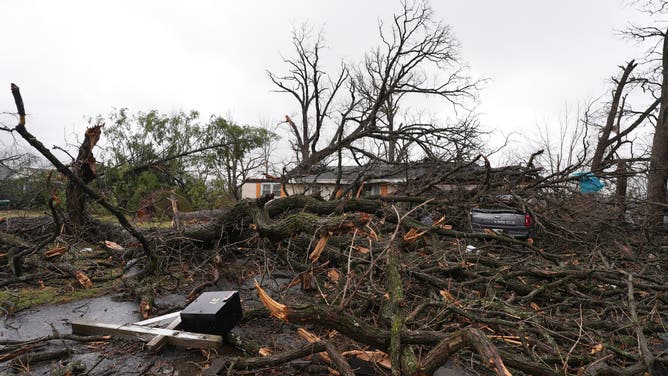
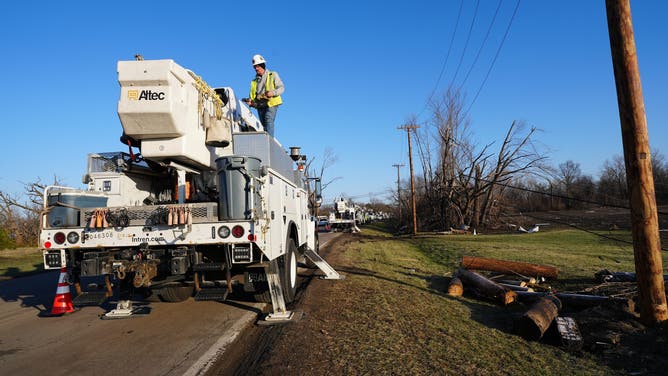
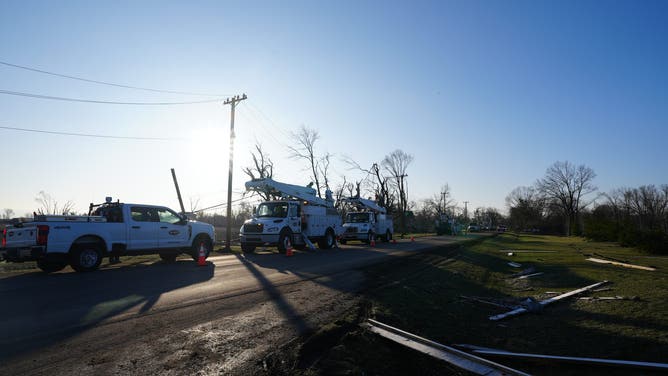
On Monday, the National Oceanic and Atmospheric Administration (NOAA) unveiled three new radars that will provide much more detailed, real-time data than traditional fixed radar systems and can be deployed directly into severe weather.
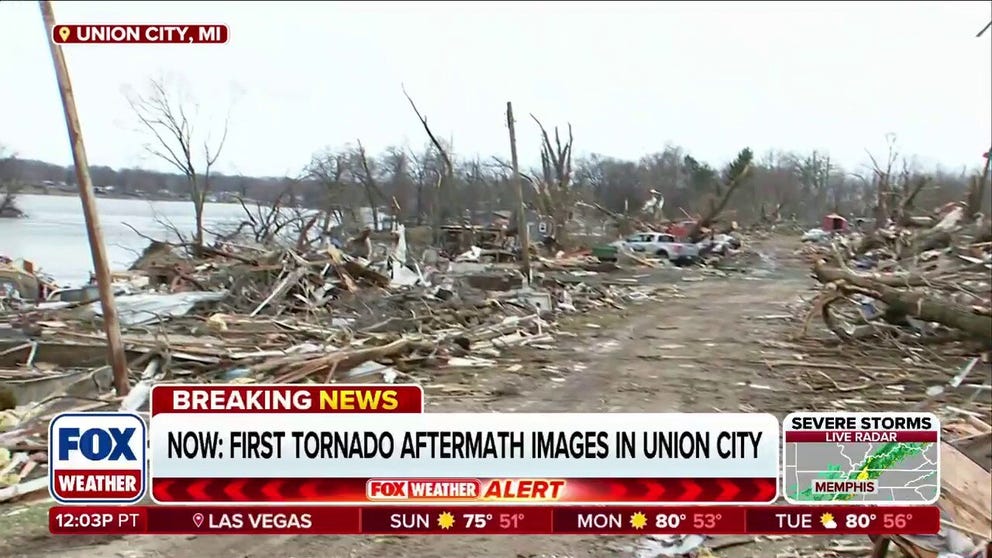
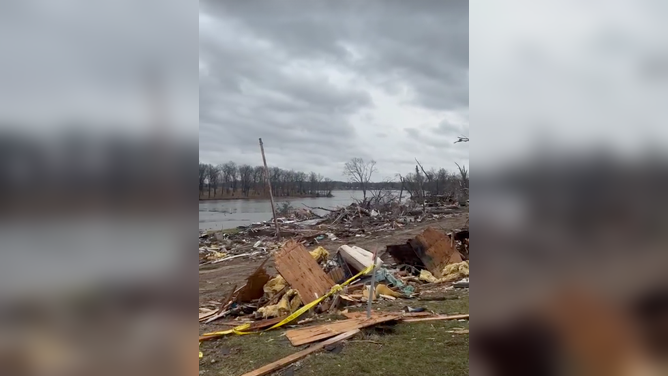
MARCH 7: Live from Union City, Michigan after a devastating EF-3 Tornado levels community
FOX Weather Meteorologist Haley Meier is live from Union City, Michigan one day after a dangerous EF-3 tornado packing estimated winds of 150 mph killed 3 people.
Mounted on heavy-duty trucks, these new units carry multiple types of radar to help scientists study storms, tornadoes, wildfires and flooding up close and from different perspectives.
The higher-quality data is expected to improve forecast precision and support earlier, more accurate warnings to better protect lives.
This is significant news as severe weather season continues, with NOAA’s National Severe Storms Laboratory Director, DaNa Carlis, Ph.D., calling it a "game changer for public safety."
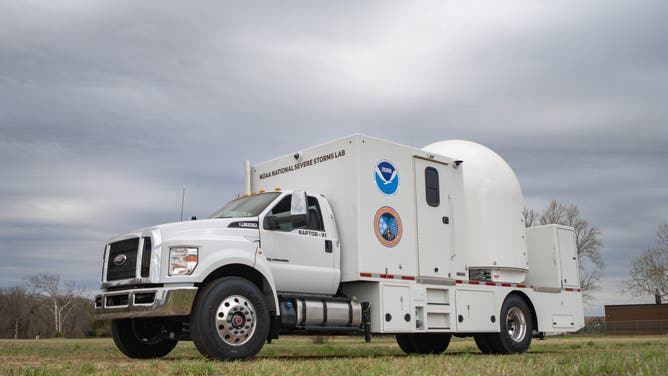
One of three new radar-equipped, heavy-duty trucks designed to expand NOAA’s ability to study and improve early warnings and forecasts for tornadoes, severe storms, flash floods and wildfires.
(NOAA NSSL / FOX Weather)
Carlis highlights that they are not only increasing the number of radars to three, but also improving the quality of data reaching forecasters and decision-makers.
These advanced mobile radars are made to be quickly deployed to areas experiencing severe weather, enabling scientists to position the instruments near storms and wildfires to collect detailed, real-time data.
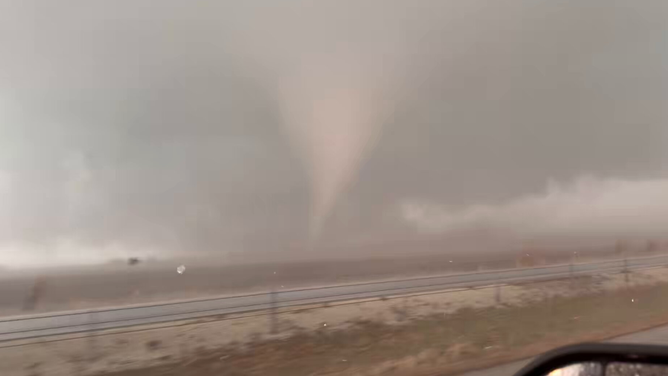
Brandon Copic shot of a tornado in Illinois on March 10, 2026.
(FOX Weather)
"This proximity allows researchers to close the radar gap with detailed views of atmospheric processes that are difficult or impossible to capture with our fixed radar network alone," NOAA said.
LIFE-THREATENING TORNADO RIPS THROUGH PARTS OF ILLINOIS AS SEVERE WEATHER LASHES THE HEARTLAND
The mobile radars will play an important role in helping determine storm behavior and potential hazards.
By scanning the lowest levels of a storm, where tornadoes and other threats develop, they provide detailed information on conditions that directly affect communities.
This high-resolution data allows scientists to track rapid changes in wind patterns and storm structure, improving understanding of storm intensity, development and potential impacts.
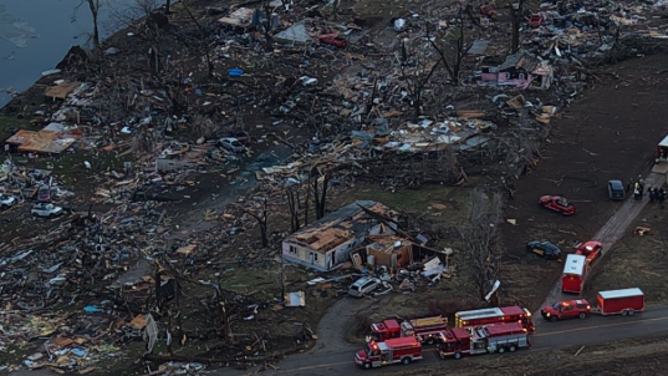
Union, Michigan, storm damage.
(FOX Weather)
That said, these radars will also provide invaluable support in monitoring other high-impact hazards, as well.
NOAA said in wildfire scenarios, mobile radars can track smoke plumes, winds generated by fires and evolving weather conditions that influence fire spread and firefighter safety.
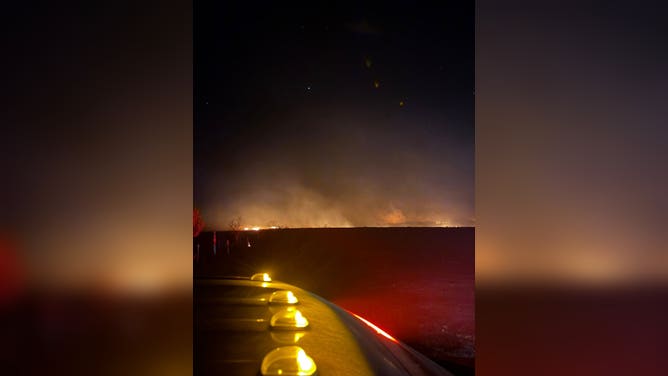
Crews deployed to fight wildfires in central Nebraska on Thursday, March 12.
(Oxford Nebraska Fire/Rescue / FOX Weather)
TORNADO SAFETY: THE SAFEST AREAS TO PROTECT YOURSELF AND WHY TO AVOID OVERPASSES
Along with that, during flash-flood events, the radars can identify areas receiving the heaviest rainfall in real time, supporting communities in responding to sudden, dangerous flooding.
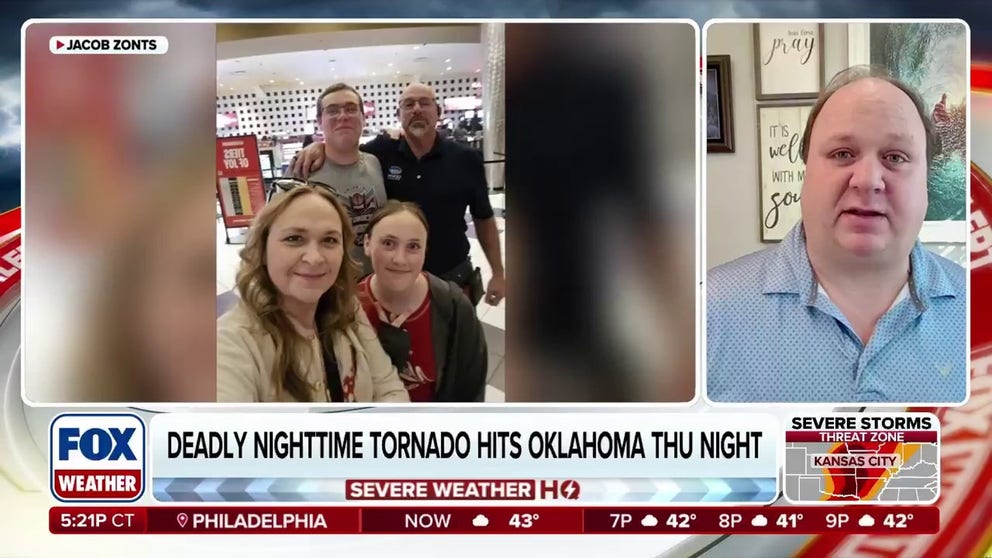
Relative details the moments mother and daughter were tragically killed in Oklahoma tornado
A mother and her 13-year-old daughter were tragically killed when a powerful nighttime tornado swept through Oklahoma on Thursday. Jodie Owens and her daughter, Lexi Owens, lost their lives in the devastating severe storm, leaving their family and community heartbroken. Jacob Zonts, Jodie’s brother and Lexi’s uncle, joined FOX Weather to honor their memories and speak about the profound loss his family is enduring during this incredibly difficult time.
Carlis said the data gathered by the new mobile radars will be used to improve NOAA’s weather forecasts, providing earlier and more accurate warnings that help protect lives and property during severe storms.