

Historic winter storm kills over 80, impacts millions across more than 40 states
Dozens of states faced hazardous travel conditions, prolonged power outages and record-low temperatures.
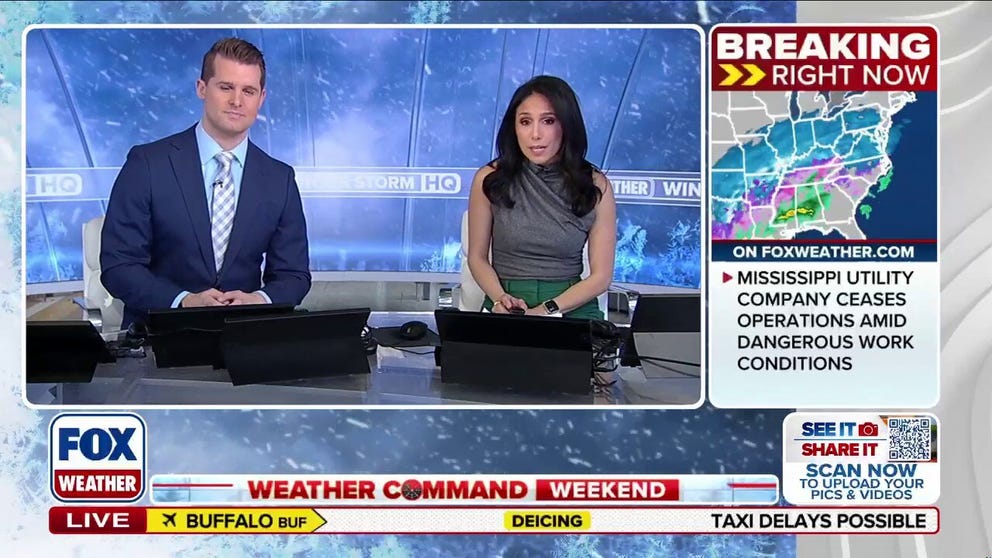
Historic winter storm blasts 245M: Snow slams Northeast, as ice cripples South with power outages
A historic 2,000-mile-wide winter storm is expected to peak Sunday, unleashing heavy snow, crippling ice and days of life-threatening travel conditions for more than 245 million people from New Mexico to Maine through Monday morning.
More than 240 million people across more than 40 states, from Arizona to Maine, were slammed by a historic winter storm that extended over 2,300 miles and delivered deadly snow and ice.
At least 82 people were killed across over a dozen states due to the extreme cold and severe weather conditions.
TENNESSEE BATTLES WIDESPREAD POWER OUTAGES AFTER SEVERE WEEKEND ICE STORM
Over a dozen states faced hazardous travel conditions, prolonged power outages and record-low temperatures.
Hundreds of thousands remained without power, particularly in the South, where catastrophic ice accumulation snapped swaths of trees and brought down power lines, leaving communities in life-threatening conditions.
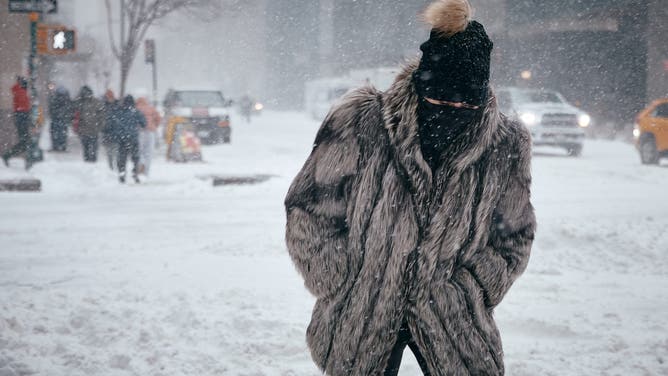
![]() Image 1 of 7
Image 1 of 7A woman walks during a snowstorm on January 25, 2026 in New York City. (Andres Kudacki/Getty Images)
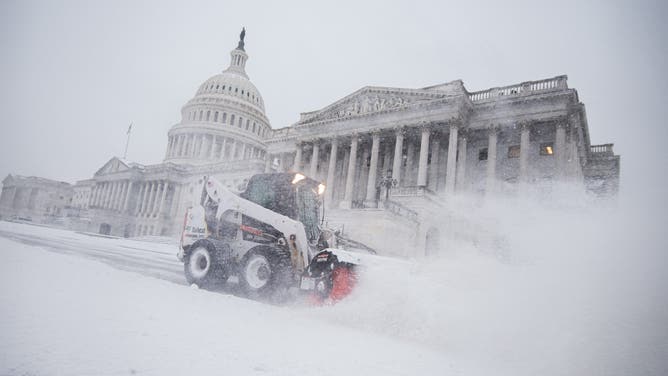
![]() Image 2 of 7
Image 2 of 7Architect of the Capitol grounds crews clear snow from the East Front of the U.S. Capitol building as Winter Storm Fern dumps snow and sleet on the Washington area on Sunday, January 25, 2026. (Bill Clark/CQ-Roll Call, Inc via Getty Images)
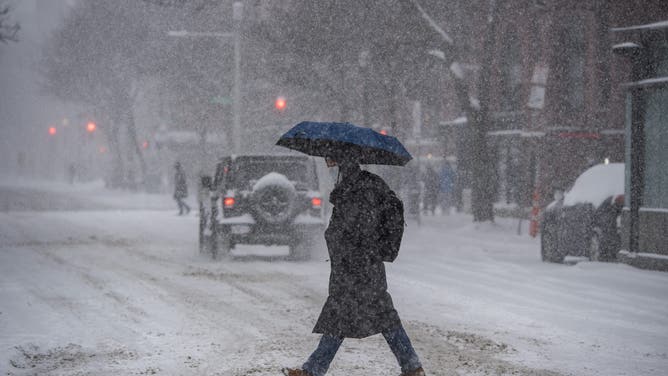
![]() Image 3 of 7
Image 3 of 7A person crosses the street in Copley Square during a snowstorm in Boston, Massachusetts, on January 25, 2026. (Joseph Prezioso / AFP via Getty Images)
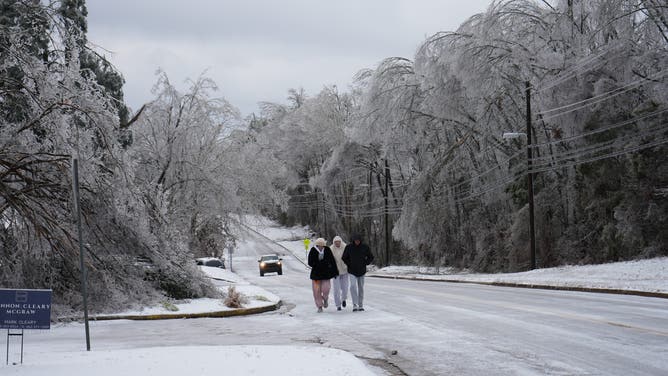
![]() Image 4 of 7
Image 4 of 7Fallen branches and trees lay across roadways and utility lines during a winter storm on January 25, 2026 in Nashville, Tennessee. (Brett Carlsen/Getty Images)
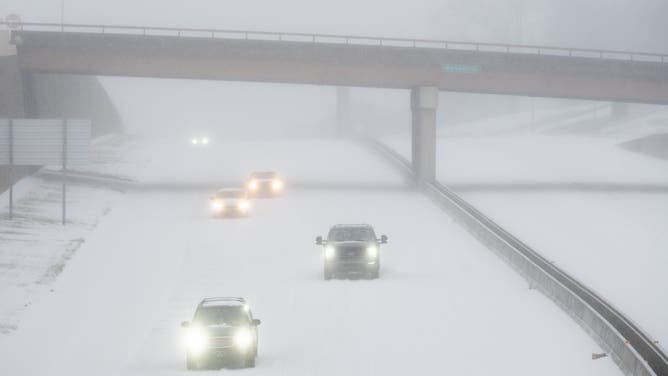
![]() Image 5 of 7
Image 5 of 7Cars drive in the snow on Interstate 630 on January 24, 2026 in Little Rock, Arkansas. (Will Newton/Getty Images)
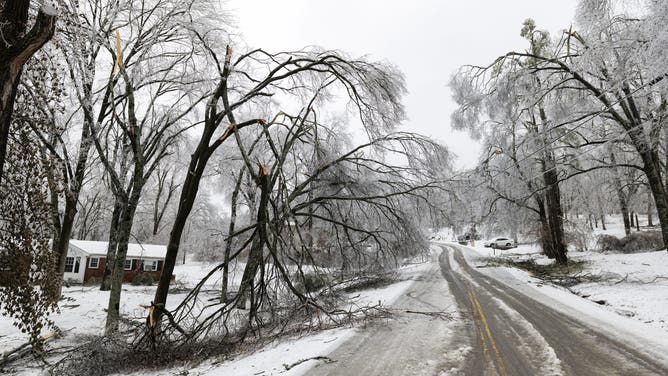
![Oxford, Mississippi was battered by life-threatening ice from a massive nationwide storm on Jan. 25, leaving widespread damage—including major structural damage, fallen trees, and downed power lines—that continues to affect the area through the week.]() Image 6 of 7
Image 6 of 7Oxford, Mississippi was battered by life-threatening ice from a massive nationwide storm on Jan. 25, leaving widespread damage—including major structural damage, fallen trees, and downed power lines—that continues to affect the area through the week. (FOX Weather/Brandy Campbell)
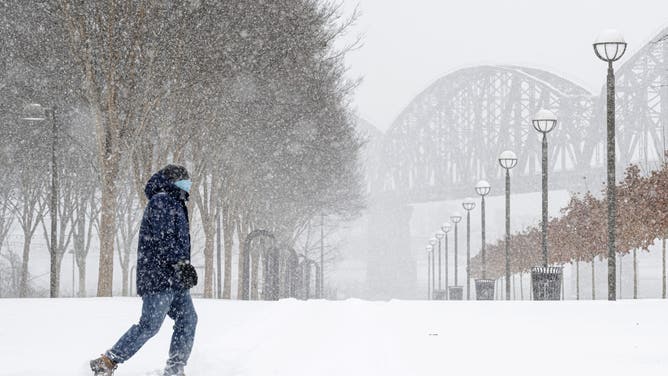
![]() Image 7 of 7
Image 7 of 7A pedestrian walks through snowy conditions on January 25, 2026 in Louisville, Kentucky. (Photo by Jon Cherry/Getty Images)
The storm carved a destructive path from the Southwest into New England, placing more than 190 million Americans under winter weather alerts from New Mexico to New York.
States of emergency were declared in 21 states, including Arkansas, Louisiana, Mississippi, Alabama, Tennessee, Georgia, South Carolina, North Carolina, Missouri, Kansas, Kentucky, West Virginia, Ohio, Virginia, Maryland, Delaware, Pennsylvania, New York, New Jersey, Indiana, Connecticut and Washington, D.C.
How did the massive storm unfold?
The storm began on Jan. 23 in the Southwest before intensifying and pushing eastward across the country.
The system developed Friday afternoon in the Plains, slamming the area with heavy snow, ice and rain.
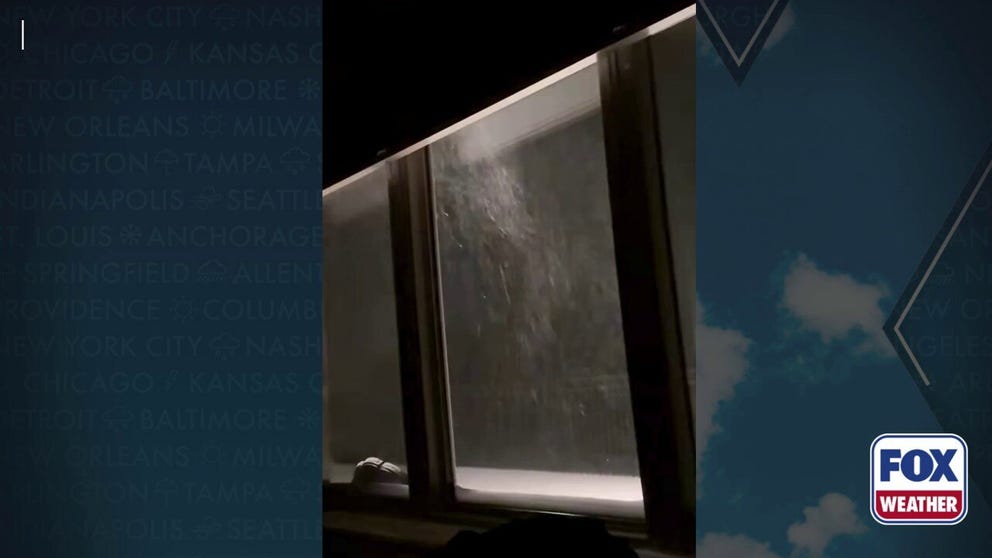
Heavy snow pounds Mayflower, Arkansas early Saturday
Heavy snow pounds Mayflower, Arkansas early Saturday.
By early Saturday morning, some cities had received at least five inches of snow.
Heavy snow continued to blanket the Plains and spread into Kentucky and the Ohio Valley.
According to the FOX Forecast Center, three cities set new daily records for snow totals, including Paducah, Kentucky, with 4.6 inches, Oklahoma City, Oklahoma, with 4.4 inches, and Kansas City, Kansas, with 5.2 inches.
Other areas, including Midland, Texas, Dallas and Little Rock experienced widespread icing which intensified on Saturday and continued into Sunday.
This caused power outages throughout both states and severely delayed travel along major interstates.

People walk up a hill after sledding in the Hillcrest neighborhood on January 24, 2026, in Little Rock, Arkansas.
(Will Newton/Getty Images / FOX Weather)
The sprawling storm then moved into the Southeast, bringing accumulating ice and snow into Mississippi and into the Carolinas.
Millions were placed under Ice Storm Warnings across the southern Appalachians and the Southeast, including Tennessee, North Carolina, South Carolina and Georgia.
Power outages grew as the weight of the ice compromised power lines and brought down trees.
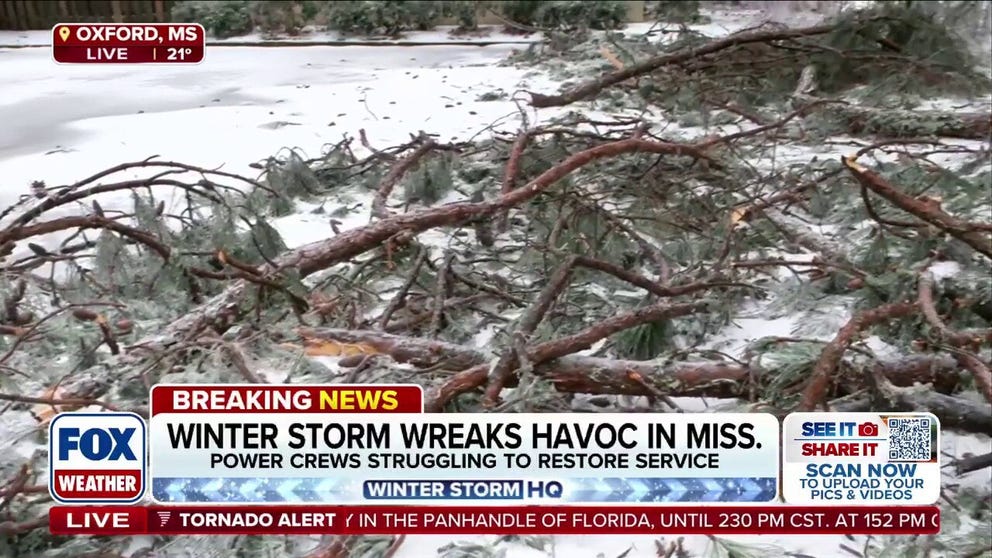
Historic winter storm wreaking havoc in Oxford, Mississippi
FOX Weather's Brandy Campbell is reporting live from Oxford, MS as the historic winter storm continues to slam the region.
Nashville, Tennessee, reported receiving over 0.47 inches of ice while parts of Mississippi received about 1 inch of ice accumulation.
Other areas, like Belzoni, MS and Rolling Fork, MS, as well as parts of Alabama and South Carolina received at least an inch of ice accumulation.
By Sunday, the storm had moved into the Northeast and Mid-Atlantic regions, bringing heavy snow and ice to Washington D.C. through New England.
The storm peaked in intensity throughout the day with snow rates of 2 inches per hour.
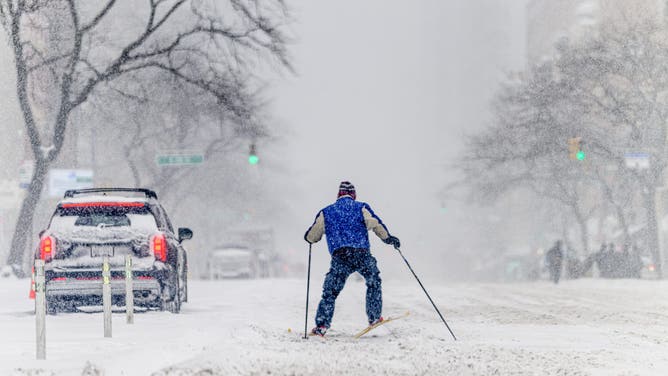
A person skis down the street in Midtown Manhattan as a major snow storm sweeps across the eastern United States, delivering an estimated two feet of snow, on January 25, 2026 in New York City.
(Roy Rochlin/Getty Images)
The National Airspace System listed 30 airports that were closed, including John F. Kennedy International, Reagan National, Newark Liberty and New York’s LaGuardia Airport, which closed all air traffic until 8 p.m. that evening. Many airline disruptions extended into Monday.
SNOW, SLEET, FREEZING RAIN AND HAIL: WHAT'S THE DIFFERENCE?
New York City even suspended some subway lines Sunday afternoon as snow and sleet bombarded the area.
Both Boston, MA and Philadelphia, PA announced the closure of their public-school systems for that Monday as well.
MASSIVE WINTER STORM SPAWNS SEVERE WEATHER THREAT ACROSS GULF COAST WITH POSSIBLE TORNADOES
While the Northeast was slammed with heavy snow, the Southeast experienced isolated tornadoes, gusty winds and severe thunderstorms.
Parts of southeastern Mississippi, southern Alabama, the Florida panhandle and southwest Georgia were issued a level 2 out of 5 risk of severe thunderstorms.
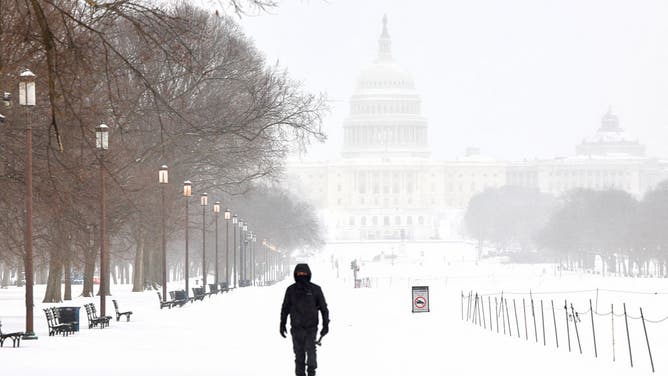
A man walks along the National Mall as snow falls in Washington, DC, on January 25, 2026.
((Photo by Amid FARAHI / AFP via Getty Images) / Getty Images)
The storm lingered until Jan. 26 when nearly a foot of snow was tallied across the Interstate 95 corridor in the Northeast.
More than 18 states totaled more than a foot of snow by early Monday.
WHAT YOU SHOULD KNOW ABOUT BLOWING, DRIFTING SNOW
In the Northeast, New York City recorded 11.4 inches of snow in Central Park as Boston hit 23.2 inches. Philadelphia tallied 9.3 inches of snow, while Baltimore, MD totaled 11.1 inches. This was the first double-digit snow event for Baltimore since 2016.
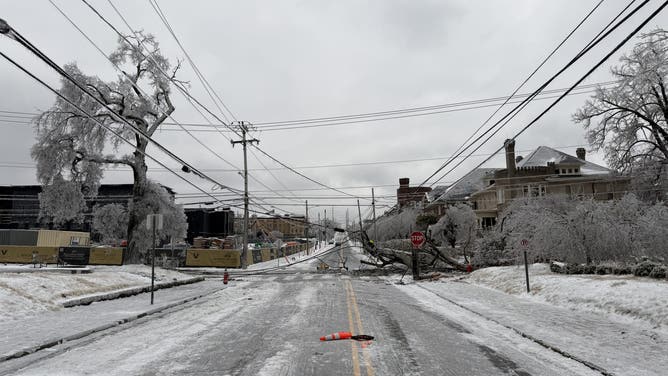
Nashville was slammed by a major winter storm that produced damaging ice storm that has caused thousands of power outages and chaotic travel conditions across the Metro Area.
(Yuri Mamchur)
Winter storm aftermath: Impacts across more than 40 states
As the storm weakened and moved off the East Coast, it left a trail of destruction, ongoing power outages and major disruptions to daily life.
At least 82 people were killed across over a dozen states. The hardest-hit states were Mississippi and Kentucky, which were crippled by extreme ice accretion.
Travel was also heavily impacted, with more than 32,000 flights canceled nationwide throughout the storm, making it one of the most severe travel disruptions since the early days of the COVID-19 pandemic.

Multiple tractor-trailers jackknifed on a highway in Missouri.
(MSHP General HQ / FOX Weather)
Additionally, heavy snow, ice and low visibility led to numerous multi-vehicle pileups across the country, forcing major interstates to close for days and leaving many people stranded.
Meanwhile, communities across the U.S. continued to suffer from paralyzing, large-scale power outages.
More than one million customers in the Southeast were left without electricity, with Mississippi and Tennessee among the hardest-hit states as Cold Weather Advisories remained in effect.
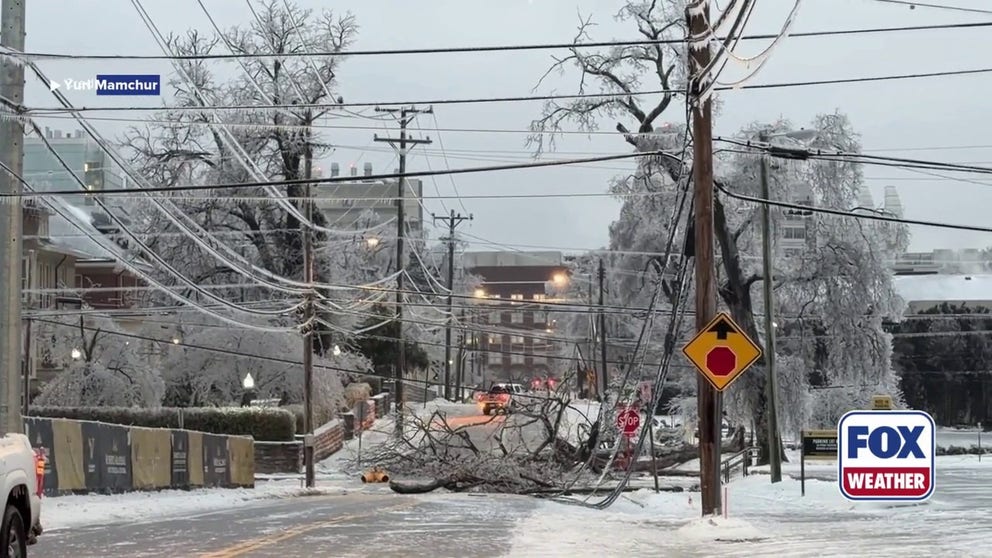
Nashville area ravaged by devastating ice storm as thousands remain without power
A major winter storm that trekked more than 2,000 miles across the U.S. left lasting damage in Nashville after a strong ice storm left thousands without power and paralyzed travel across Tennessee.
FOX Weather Correspondent Brandy Campbell, who has been on the ground in Oxford, MS throughout the storm, described the severity of the ice accretion.
She said the weight of the ice caused trees to suddenly snap, leading to extensive damage to infrastructure.
As lingering arctic cold continues to impede both the Northeast and the South, the lack of power poses a life-threatening risk while these regions work on repairing and face frigid temperatures.