

Travel snarled as first nor'easter of La Niña winter season slams East Coast with rain, ice and snow
The system left a snowy footprint that stretched over 1,500 miles from Missouri through Maine, with eight states seeing over half a foot of powder.

Nor'easter brings first significant snow to the Northeast U.S.
FOX News Multimedia Reporter Chelsea Torres is reporting from Concord, New Hampshire, today, where the region is experiencing they’re first significant snowfall this year.
ALBANY, N.Y. — A nor'easter brought a combination of rain, ice and snow to parts of the East Coast, specifically the densely populated northeast portion of Interstate 95 corridor, snarling travel across the country as this La Niña winter season gets underway.
A fast-moving area of low pressure moved out of the Southeast and up along the East Coast early Tuesday morning, creating an extremely sharp boundary between rain and snow, which set just inland of I-95.
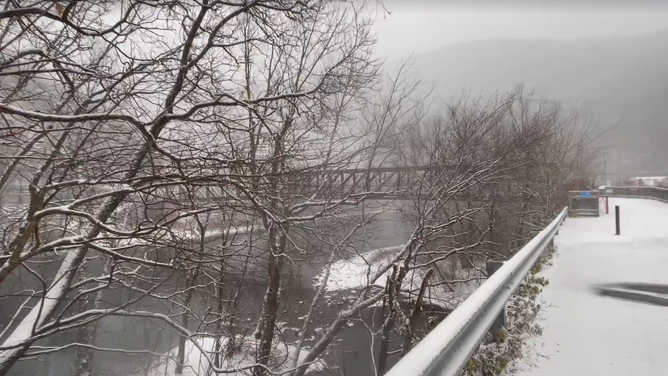
![Snow across the Lehigh River in Carbon County, Pennsylvania on Tuesday, Dec. 2, 2025.]() Image 1 of 3
Image 1 of 3Snow across the Lehigh River in Carbon County, Pennsylvania on Tuesday, Dec. 2, 2025. (Britta Merwin/FOX Weather)
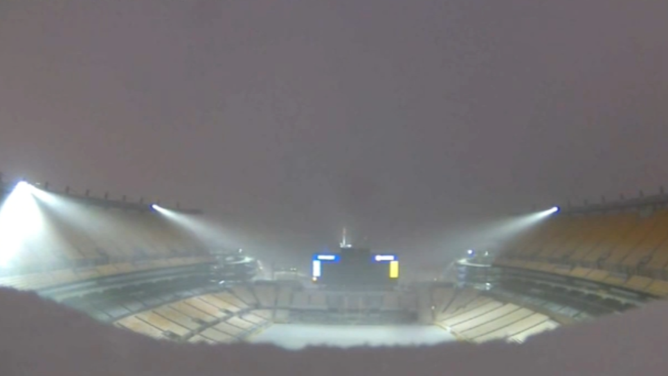
![Snow piles up in Acrisure Stadium in Pittsburgh on Tuesday morning, Dec. 2, 2025.]() Image 2 of 3
Image 2 of 3Snow piles up in Acrisure Stadium in Pittsburgh on Tuesday morning, Dec. 2, 2025. (WEATHERSTEM)
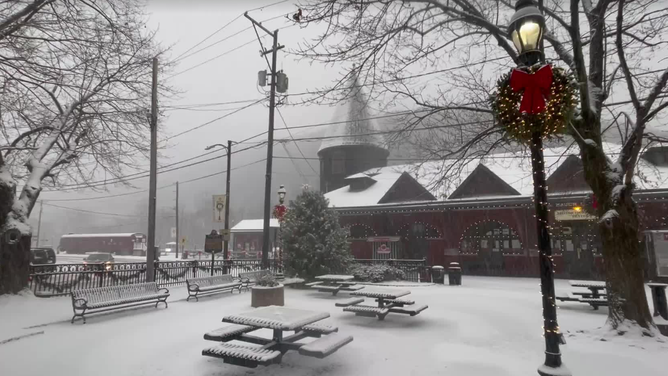
![Snow across Jim Thorpe, Pennsylvania on Tuesday, Dec. 2, 2025.]() Image 3 of 3
Image 3 of 3Snow across Jim Thorpe, Pennsylvania on Tuesday, Dec. 2, 2025. (Britta Merwin/FOX Weather)
Snow and heavy rain caused some travel headaches across the US as nearly 7,000 flights were delayed on Tuesday, with nearly 250 cancellations.
SNOW, SLEET, FREEZING RAIN AND HAIL: WHAT'S THE DIFFERENCE?
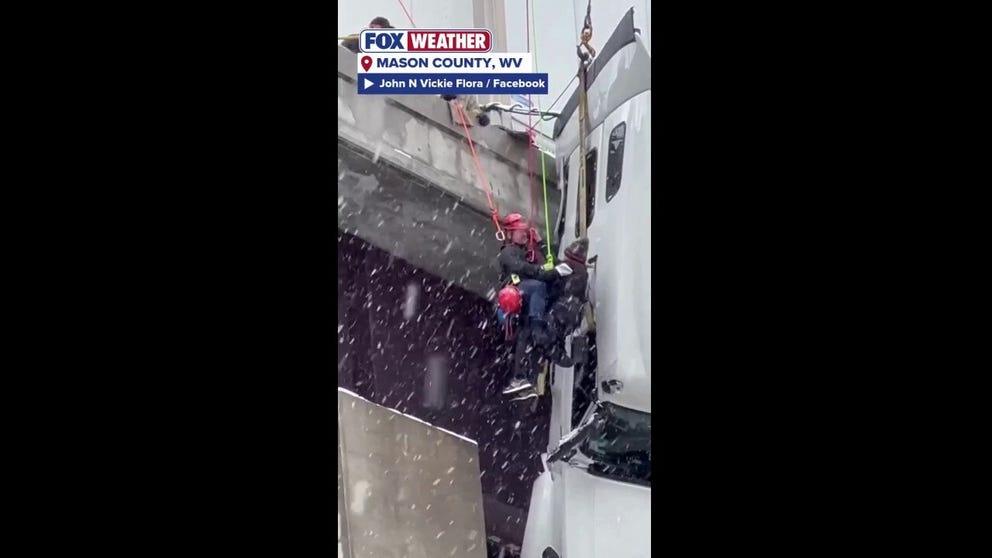
First responders complete a daring rope rescue from atop a bridge
First responders complete a risky rope rescue to save a truck driver dangling off the side of a bridge after crashing in dangerous winter weather conditions.
The roads were left a mess as well. Pennsylvania State Police told FOX Weather that between 4:30am and 9:30am on Tuesday, troopers responded to more than 280 motor vehicle crashes and approximately 300 disabled motorists throughout the state.
A State of Emergency was declared by New Jersey Governor Phil Murphy due to the significant impacts expected from the storm.
⚠️ I have declared a State of Emergency effective Tuesday at 5:00 a.m. in Hunterdon, Morris, Passaic, Sussex, and Warren Counties.
— Governor Phil Murphy (@GovMurphy) December 1, 2025
Starting early tomorrow morning, we anticipate snowfall, sleet, and freezing rain. I urge all drivers to exercise caution, remain alert, and follow…
Over 10 states were left covered in inches of snow from Monday, Dec. 1 through Tuesday, Dec. 2, with parts of upstate New York seeing over a foot of snow.
LA NIÑA OFFICIALLY ARRIVES. HERE'S WHAT IT MEANS FOR WINTER IN THE US
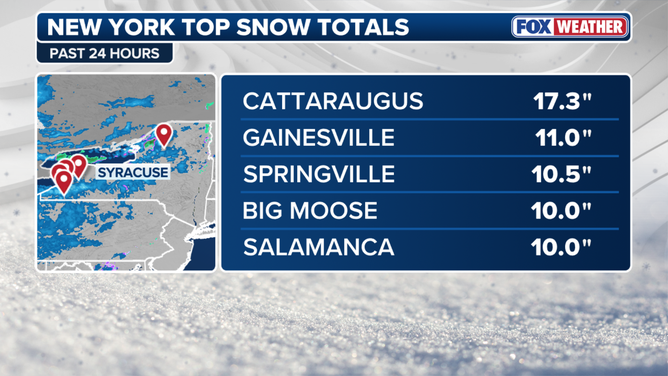
Snow totals in New York as of December 3rd
(FOX Weather)
The system left a snowy footprint that stretched over 1,500 miles from Missouri through Maine, with eight states seeing over half a foot of powder, including Maine, Vermont, New Hampshire, Massachusetts, New York, Pennsylvania, Ohio and Indiana.
A mix of moisture and cold air brought 1–3 inches of snow across Ohio, Pennsylvania, upstate New York and much of New England.
WINTER STORM WARNING EXPLAINED
The effects of the snow were amplified across higher elevations, including parts of the Adirondacks, Green and White mountain ranges.
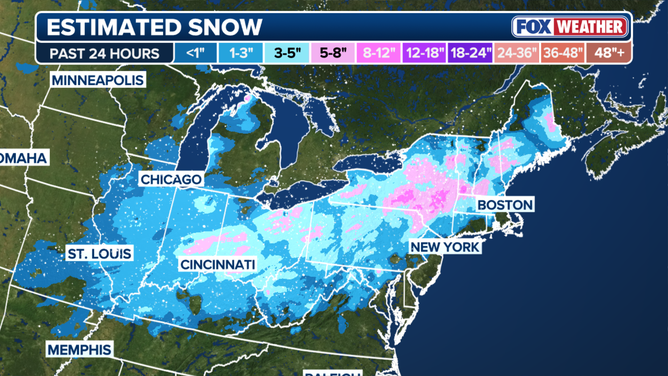
Snow totals in the Northeast as of December 3rd
Meanwhile, where exactly the rain-snow line set up had significant impacts on drivers. Anywhere between a coating and 0.25 of an inch of ice covered roads in the Appalachians, particularly in West Virginia and Virginia.
Higher elevations in Pennsylvania, northern New Jersey, New York's Mid-Hudson Valley and Connecticut also saw ice accumulating.
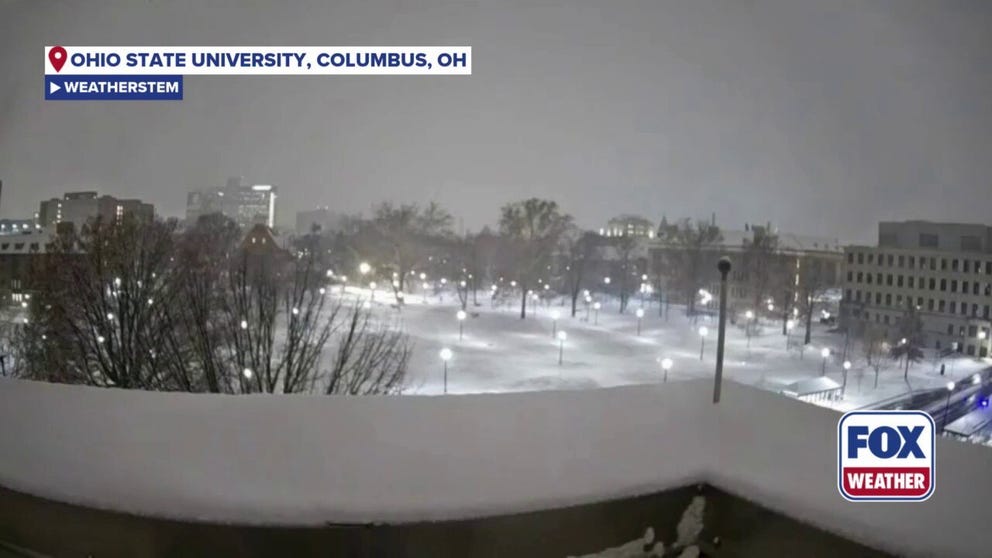
Ohio State University turns into a snow globe overnight as nor'easter reaches portions of the state
Timelapse shows Ohio State University quickly turning into a snow globe overnight as a nor’easter takes hold of the area. Some portions of the sate have already gotten a whopping 4.5 inches of snow.
THE HIDDEN DANGERS OF ICE STORMS
Farther south, icy conditions hit the mountains of western North Carolina, where many communities are still recovering from devastating Hurricane Helene in 2024.
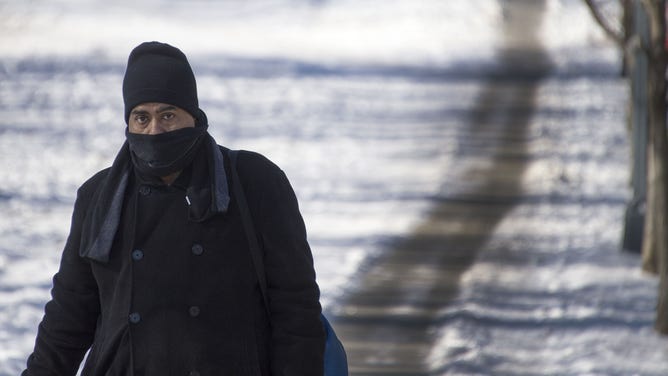
FILE - A man walks through the snow with a scarf over his face in Washington, DC, on January 8, 2014, as dry and unseasonably cold weather hits the area. An Arctic blast sweeping Canada and parts of the United States this week closed schools, grounded jets, killed at least four people, and even shook the ground. AFP PHOTO/JIM WATSON (Photo credit should read JIM WATSON/AFP via Getty Images)
(Getty Images)
Another round of even colder arctic air is expected to reach the East Coast by Thursday, which could create slick roads during the morning rush.
The presence of a La Niña pattern historically tends to bring more frequent nor'easters along the Eastern Seaboard, which saw several coastal storms this past fall.
WHAT ARE EL NINO AND LA NINA CLIMATE PATTERNS?
NOAA indicated that the U.S. may shift back to neutral conditions around the start of January.