
This is how to keep yourself, your family and home safe this hurricane season
Let's break down some of the key actions you can take both inside and outside your home to keep you, your family and property safe this season.
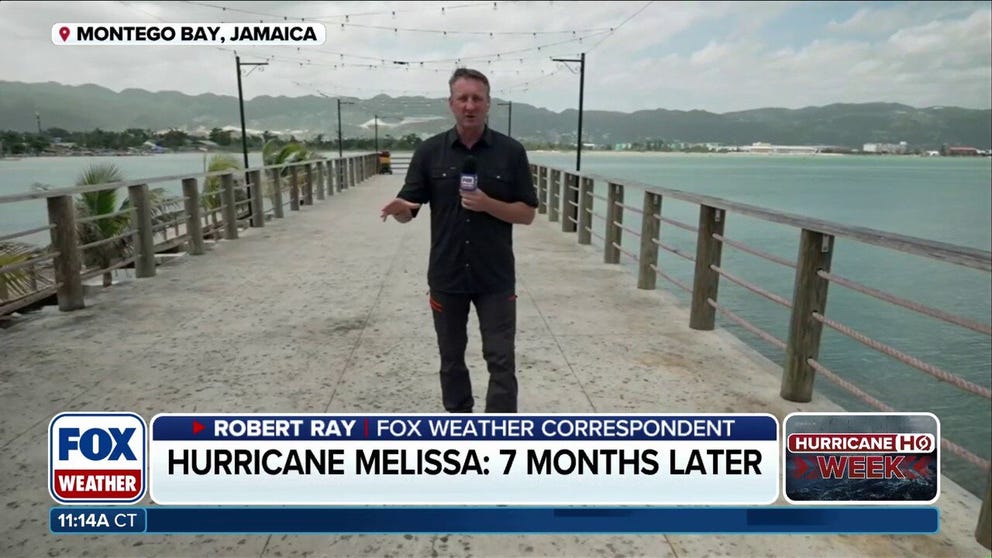
Jamaica recovering seven months after the devastation of Hurricane Melissa
HURRICANE RECOVERY: FOX Weather Correspondent Robert Ray reports from Jamaica to share updates on the recovery efforts from residents seven months after Hurricane Melissa tore through the entire country as the 2026 Atlantic hurricane season starts today. Stay with FOX Weather for the latest. #Jamaica #Hurricane #Recovery #FOXWeather
As the 2026 hurricane season gets underway, many are beginning preparations ahead of any storm.
Everything from damaging winds, torrential rain and massive storm surges to widespread power outages, can be triggered by a hurricane, threatening both life and property.
7 FACTS TO KNOW ABOUT HURRICANES
There are several steps you can take to be proactive this season. Let's break down some of the key actions you can take both inside and outside your home to keep you, your family and property safe, according to FEMA.
Review your insurance
Before a storm even hits, it's important to review your insurance policy and verify your coverage.
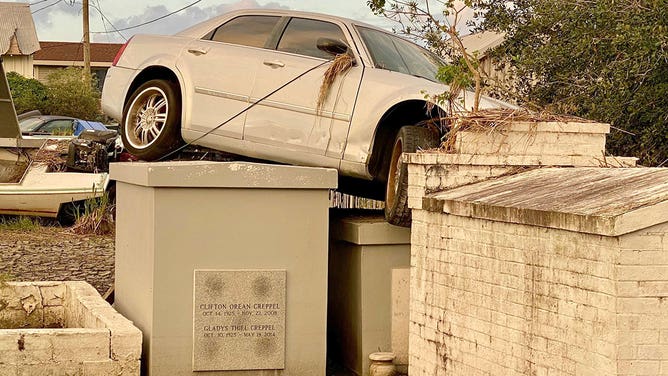
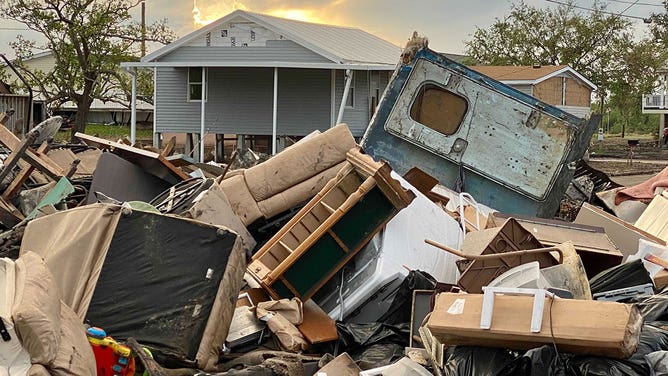
Damage caused by Hurricane Ida is seen in Lafitte, Louisiana, on Sept. 27, 2021.
(Robert Ray/FOX Weather)
This will help ensure a smoother and quicker transition if anything destructive happens to your home, helping you "get back on your feet faster after a storm," FEMA said.
Documents your home's contents
Creating a list of your belongings will help with insurance purposes.
If you need to file a claim, having that list alongside photos or videos at the ready will expedite the entire process.
ATLANTIC HURRICANE SEASON: WHAT TO KNOW ABOUT THE 2026 FORECAST
It may seem silly to document your items, but it could be a big price to pay if you are left paying out-of-pocket for unproven losses.
Unplug electrical appliances after power loss
According to FEMA, unplugging appliances after you lose power during a storm prevents power-surge damage.
"Protect your electronics from power strikes with surge protectors," they said.
Build a safe room
Safe rooms are essential even if your home meets official standards.
TROPICS: SEASON’S FIRST SIGNS OF DEVELOPMENT IN THE EASTERN PACIFIC WITH NEW AREA TO WATCH
While it may be "built to code," it might not be able to survive the severity of the storm.
By creating a safe room, you and your family can seek shelter beyond the protection of the home.
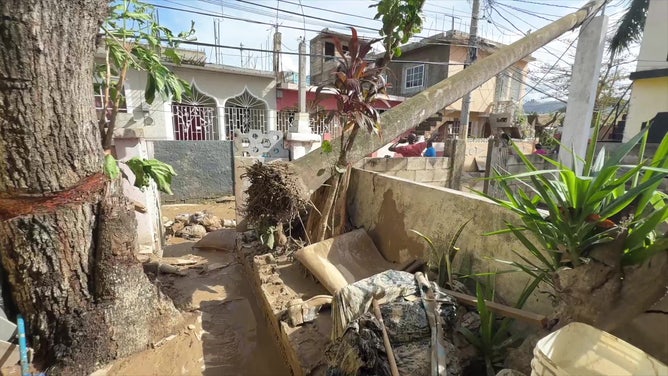
![Hurricane Melissa Damage]() Image 1 of 6
Image 1 of 6Hurricane Melissa Damage ( )
![Hurricane Melissa Damage]() Image 2 of 6
Image 2 of 6Hurricane Melissa Damage ( )
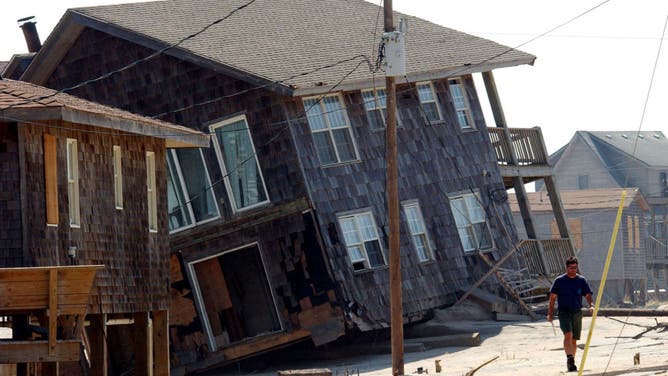
![Outer Banks Hurricane damage]() Image 3 of 6
Image 3 of 6John Contestable, a building inspector for Dare County, walks by an oceanfront cottage that sits on the sand about 25 yards from its pilings in Rodanthe on Hatteras Island on Saturday, Sept. 20, 2003. The oceanfront house was tossed back on the beach by Hurricane Isabel on Sept. 18, 2003. (Steve Earley/The Virginian-Pilot/Tribune News Service via Getty Images) (Steve Earley/The Virginian-Pilot/Tribune News Service)
![Hurricane Ida damage]() Image 4 of 6
Image 4 of 6Damage caused by Hurricane Ida is seen in Lafitte, Louisiana, on Sept. 27, 2021. (Robert Ray/FOX Weather)
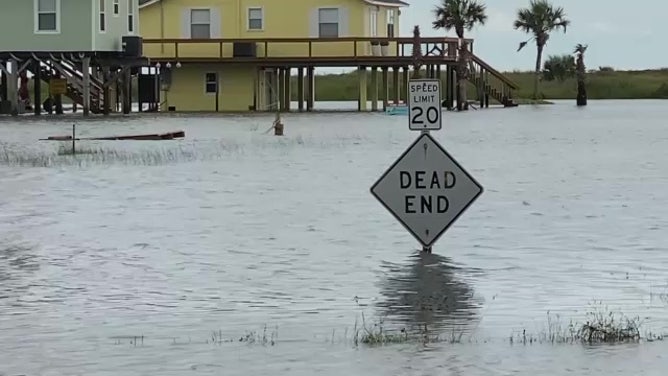
![]() Image 5 of 6
Image 5 of 6Damage on San Luis Isle, Texas after Hurricane Nicolas. (FOX Weather)
![]() Image 6 of 6
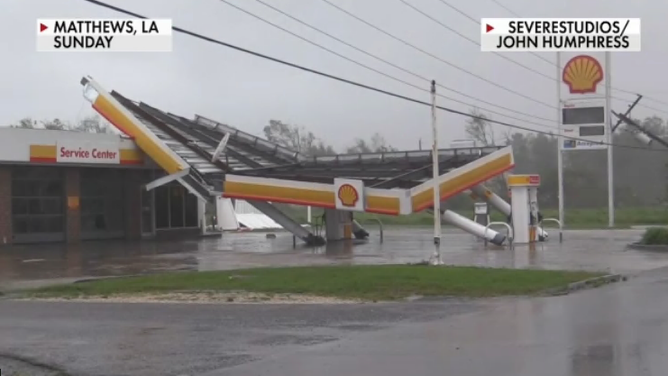
Image 6 of 6Damage caused by Hurricane Ida (John Humphress / SevereStudios)
Protect windows and glass doors
FEMA advises installing storm shutters to prevent wind-borne debris from breaking glass doors and windows, highlighting that you can also add shatter-resistant film or stormproof high-impact glass for further protection.
Reinforce garage doors
Reinforcing garage and double-entry doors is important because they can fall under wind pressure.
Vertical bracing kits will help reinforce garage doors by strengthening the wheel tracks, while double-entry doors can be fortified by adding heavy-duty deadbolts, slide bolts and longer hinge screws.
Fortify your roof
"Your roof is your first line of defense in a high-wind event," FEMA said.
EL NIÑO COULD MEAN MORE TROPICAL ACTIVITY FOR THE WESTERN PACIFIC
Ensure any loose shingles are re-adhered and install hurricane straps, so the wind can't lift the roof off your house.

Hurricane Francine Damage
(Brandon Copic / FOX Weather)
Additionally, if you live in a mobile home, it is vital to secure the frame to the ground using heavy-duty tie-down straps and ground anchors.
Clear trees and secure outside objects
As hurricanes are accompanied by strong winds, it's important that all loose limbs or damaged trees are trimmed or removed from your property.
According to FEMA, "Your home should be at least a full-grown tree’s height away from the base of any tree, usually about 40 feet away."
BRYAN NORCROSS: WELCOME TO HURRICANE SEASON 2026
That said, secure any outdoor patio furniture, dog houses, trash cans, etc. to ensure they're not picked up and thrown by the wind.
Additionally, be sure to secure your fencing, porches, canopies and sheds as well so that they are firmly attached.
"If you have an exterior fuel tank or any of your utilities are located outside, anchor or tie them down according to the ground anchor instructions," FEMA said.
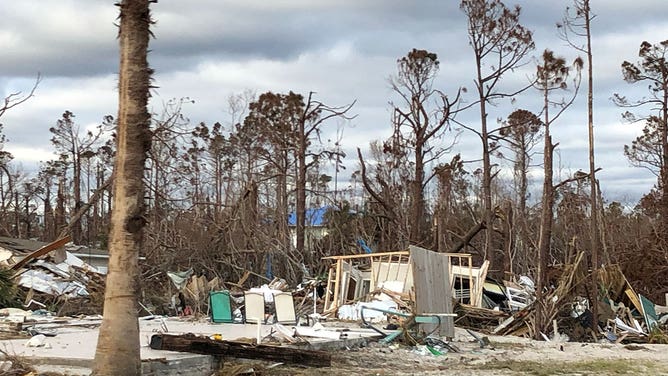
Trees and buildings are seen damaged in Mexico Beach, Florida, in November 2018 after Hurricane Michael.
(Aaron Barker / FOX Weather)
Seal cracks and gaps
Sealing gaps and cracks helps prevent wind and water from coming inside your home.
It's important to make sure caulking around windows and doors is in solid condition, and if not, fills any holes or cracks.
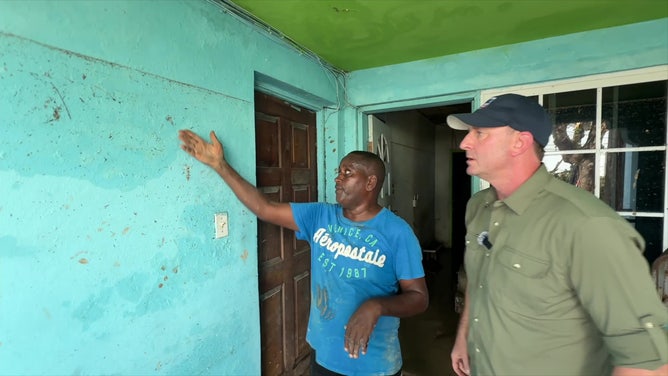
A resident points to where the high water mark was at his home during Hurricane Melissa.
(FOX Weather)
Waterproof sealant is useful for gaps around piping and wires.
Replace gravel and rock landscaping materials
Strong winds can send any type of debris flying into the air, including gravel and other landscaping materials.
It is crucial to replace these materials with softer ones such as dirt or mulch to reduce the risk of damage.
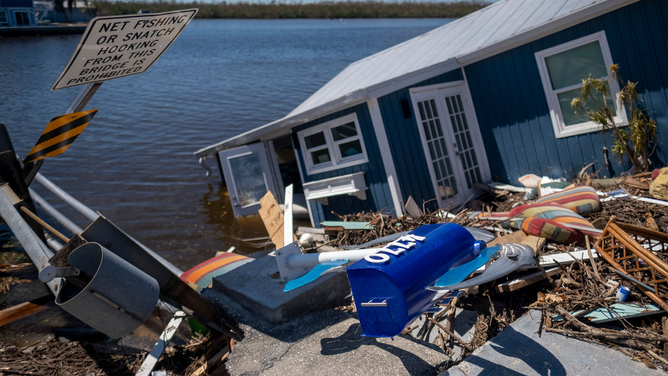
A destroyed house is seen in the aftermath of Hurricane Ian in Matlacha, Florida on October 1, 2022.
(RICARDO ARDUENGO/AFP / Getty Images)
Ultimately, with the season officially active, it's important to prepare ahead of time.
Stick with FOX Weather as we track the latest storm threats to help keep you, your family and your home safe.