

Attention skywatchers: Look out for heightened meteor activity this week
During this time, several weak meteor showers are possible, but it will be nothing like major meteor storms such as the Lyrids or Geminids.
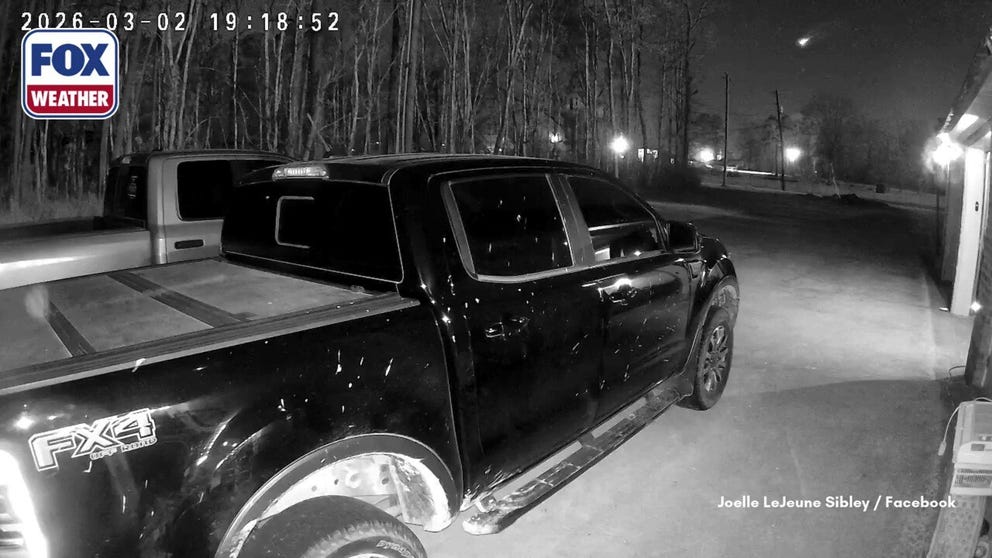
Fireball glows up night sky over Louisiana
At-home footage in Walker, Louisiana, captured the moment a bright fireball streaked across the night sky on March 2.
Skygazers around the world will have a chance to see heightened meteor activity this week.
During this time, several weak meteor showers are possible, but it will be nothing like the major meteor storms such as the Lyrids or Geminids.
MARCH SKYWATCHING GUIDE: CATCH A BLOOD MOON, PLANET CONJUNCTION, AURORAS, AND MORE
Starting on Friday, the Beta Tucanids are expected to peak. This shower is known to be very weak, producing less than one meteor per hour.
But in recent years, the Beta Tucanids have had an unexpected burst of higher activity.

Sen live stream captures rare moment a meteor explodes
(Sen / FOX Weather)
It is unclear how these meteors will respond this year, but the American Meteor Society claim that astronomers are watching to see if that activity will happen again.
HOW TO PHOTOGRAPH A METEOR SHOWER WITH YOUR PHONE
The best place to view the Beta Tucanids will be in the Southern Hemisphere.
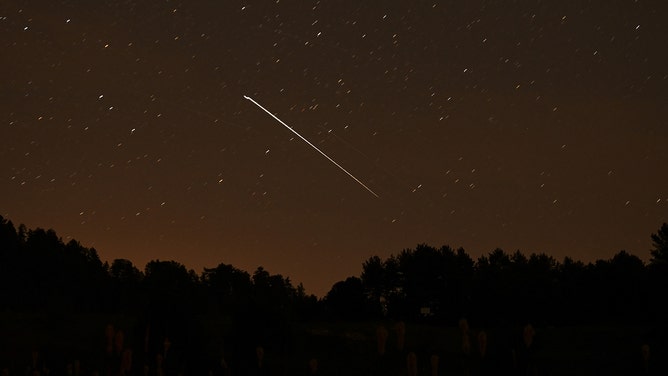
The Lyrid meteor shower is observed in Karagol Geosite in Kizilcahamam district of Ankara, Turkiye on April 22, 2025.
(Utku Ucrak/Anadolu via Getty Images / Getty Images)
Another meteor that may be active this week is the Anthelion radiant. This isn’t a well-defined shower, but there will be about two meteors per hour.
The shower can be seen anywhere around the world at about 2 a.m. when the Anthelion is at its highest in the sky.
THE BEST CELESTIAL EVENTS IN 2026 YOU WON'T WANT TO MISS
Starting from March 6 to March 20, the xi Herculids will be active. This is a very weak shower, producing less than one meteor per hour.
Skygazers may be able to view it right before dawn when its radiant point is high overhead. These meteors usually move at a medium speed.
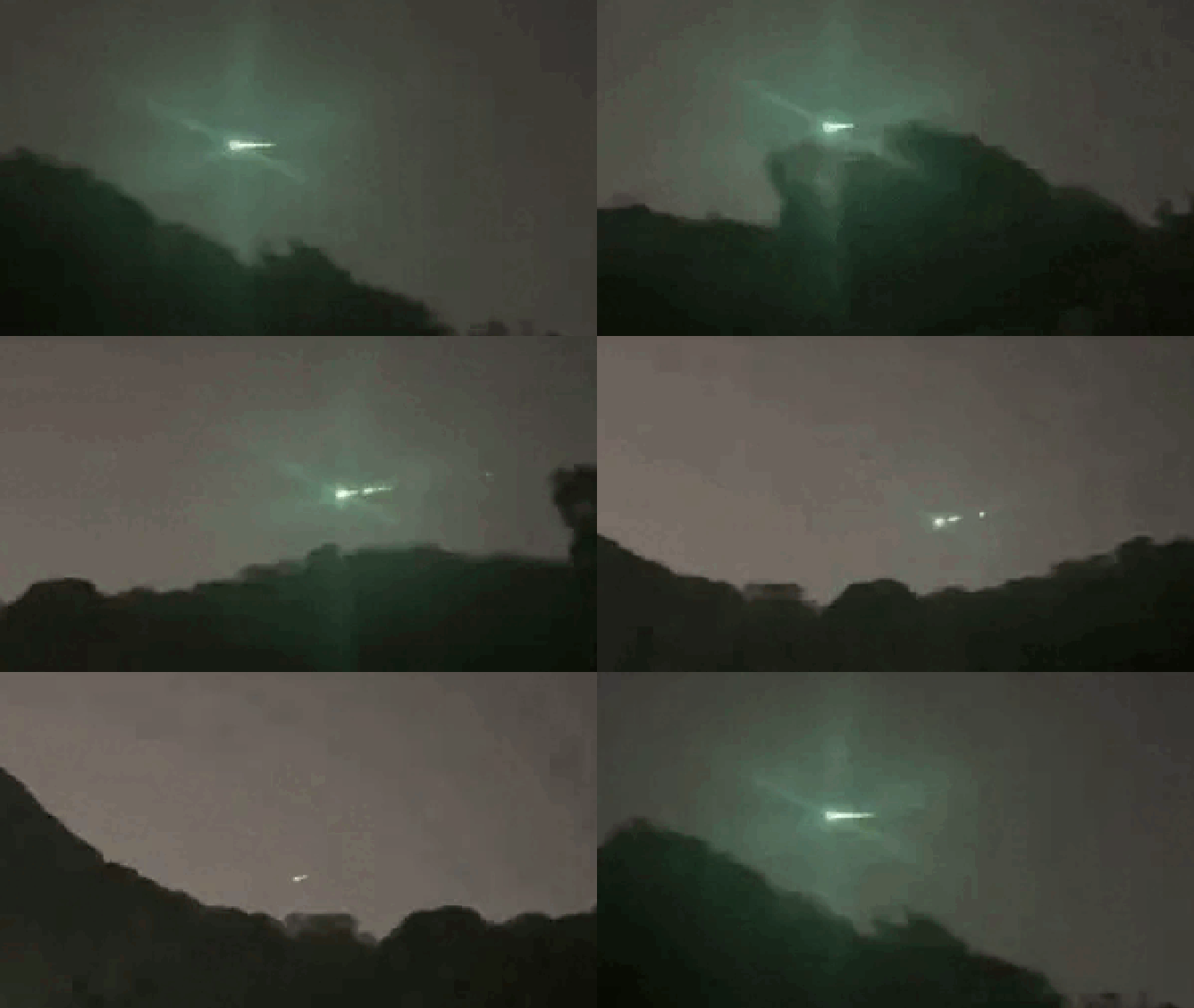
Footage captured by X user @PhillyMadeRai shows the meteor glowing an intense green as it streaked across the sky on Saturday night.
(@PhillyMadeRai via Storyful / FOX Weather)
In addition to these showers, there are always sporadic meteors, which are random meteors not connected to any specific shower.
SEE IT: RARE SIGHT CAPTURED DURING PEAK OF QUADRANTID METEOR SHOWER
This was seen on Sunday when hundreds in states including Connecticut, Indiana, Maryland, Michigan and more reported witnessing a bright fireball.
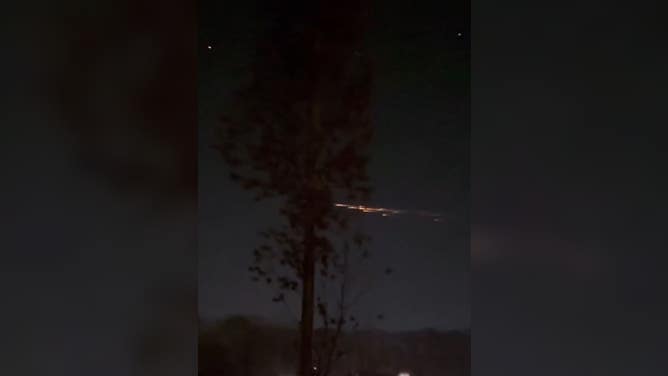
Fireballs reported in Bryant, AR on Saturday night.
(@ReaganJonesAR/X / FOX Weather)
According to the American Meteor Society, the meteor appeared 57 miles above Paw Paw, Maryland, moving northwest at 62,000 miles per hour. It traveled 86 miles through the atmosphere before disintegrating 24 miles above Point Marion, Pennsylvania.
At its peak, the fireball was about 10 times brighter than the planet Venus.
Overall, this is a modest week for meteor activity. But skywatchers around the world may have a chance to view one of these smaller showers.