

Tired of the heat? Here's when Old Farmer's Almanac says cooler weather will arrive
When will it finally start to feel like fall? Here's what you need to know.
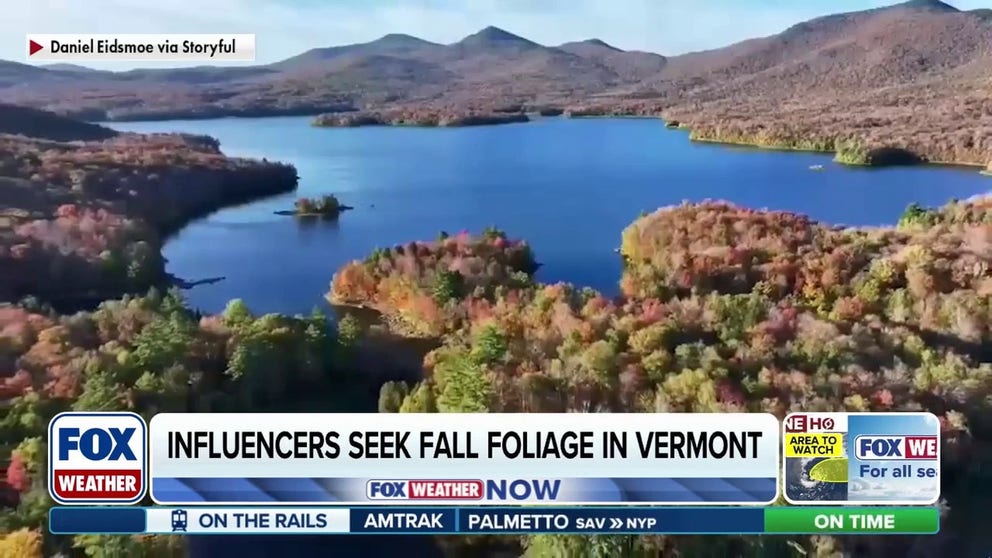
FILE: Fall foliage brings 'leaf-peeping' tourists to New England
Residents in New England have raised their voices about "leaf-peepers" that visit the mountain town in the fall. FOX News Multi-Media Reporter Kailey Schuyler is live from Stowe, Vermont reporting on how seasonal tourist attractions are interrupting the usually quiet town.
Summer may be the season of sunshine, vacations and long days, but fall gives us plenty more to look forward to, and for many, it’s the greatest time of the year.
When will it finally start to feel like fall?
The Old Farmer’s Almanac, North America’s oldest continuously published periodical, has an answer with its Fall 2026 Forecast.
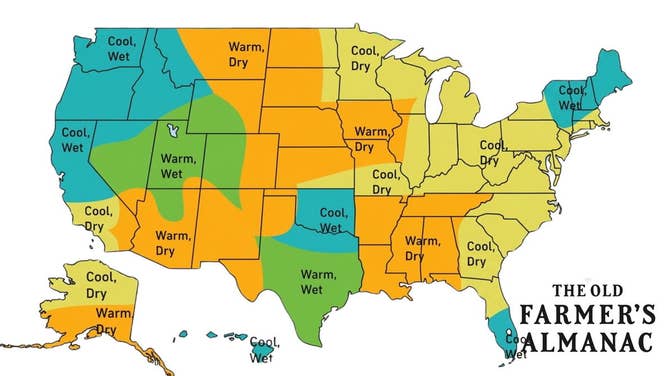
Old Famers' Almanac Climate Outlook for Fall 2026.
(The Old Farmers' Almanac)
Fall may start on the same day across the country, but the weather won’t follow the same script. The Old Farmer’s Almanac predicts warmer-than-average temperatures across the nation’s interior this September and October, while much of the East and Pacific Coast trend cooler than average.
Much of the country is also expected to be drier than normal, with wetter conditions mainly focused across the West, parts of the Rockies and Texas, along with pockets of the Northeast and southern Florida.
MEET THREEHALVES: THE HORRIFYING VIRAL ROBOT DESIGNED FOR EARTH'S MOST DANGEROUS ENVIRONMENTS
Northeast
In the Northeast, the Old Farmer's Almanac is predicting cooler and wetter conditions this fall.
This region includes Upstate New York, Vermont, New Hampshire, Maine and parts of Massachusetts and Connecticut.
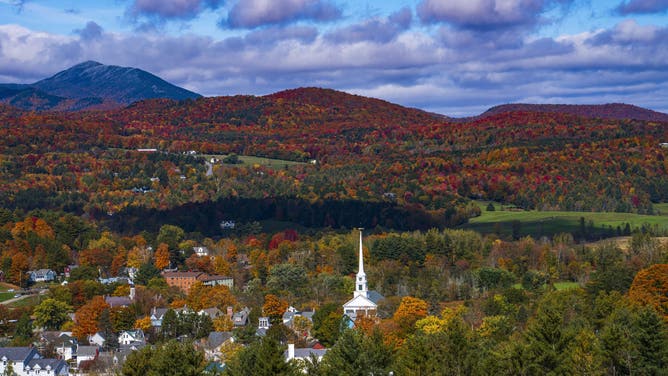
Elevated view of picture perfect Stowe Vermont in Autumn Color.
(Visions of America/Joseph Sohm/Universal Images Group via Getty Images / Getty Images)
Below average temperatures are in the forecast, as well as more precipitation than historic levels.
WHAT IS YOUR STATE ANIMAL? SEE THE OFFICIAL LIST FEATURING ALL 50 STATES
Atlantic Corridor
The Atlantic corridor, which stretches along coastal areas from Virginia through Massachusetts, including Maryland, Delaware, Pennsylvania, New Jersey, Connecticut and Rhode Island, will see below average temperatures, according to the Old Farmer's Almanac.
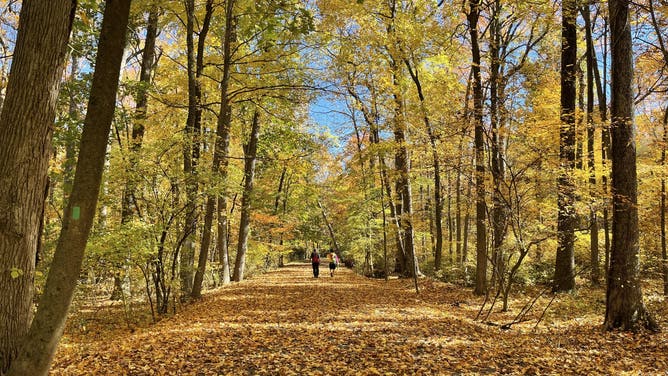
A view from autumn foliage at Ross Dock, Alpine and Tallman Mountain State Park in New Jersey, United States on October 27, 2022.
(Islam Dogru/Anadolu Agency via Getty Images)
September and October will be cooler and drier than average, with less rainfall than usual.
Appalachians
In the mountainous region of the Appalachians, covering parts of western New York, Pennsylvania, West Virginia, Virginia, Maryland and North Carolina, September temperatures are expected to be slightly below average, with both below average precipitation rates in September and October.
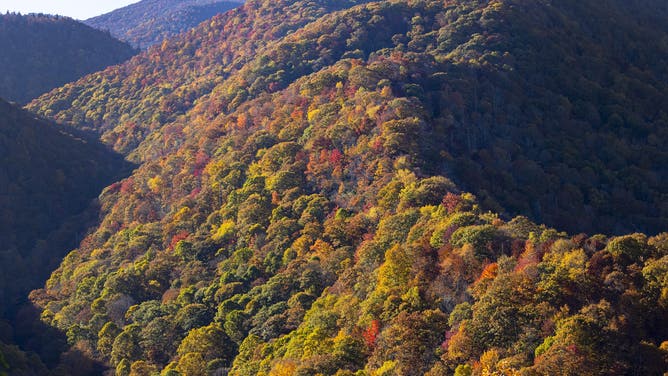
Cherry Cove outlook on the Blue Ridge Parkway located in the Blue Ridge Mountains near Asheville, North Carolina on Wednesday, October 25, 2023.
(Thomas O'Neill/NurPhoto via Getty Images / Getty Images)
Southeast
In the Southeast, rainfall will vary by location, though the region as a whole is expected to be drier than average.
Northern portions of the region could receive about 2 inches less rainfall than normal, while southern areas may see deficits of up to 4 inches. Temperatures are also expected to run below average across the Southeast.
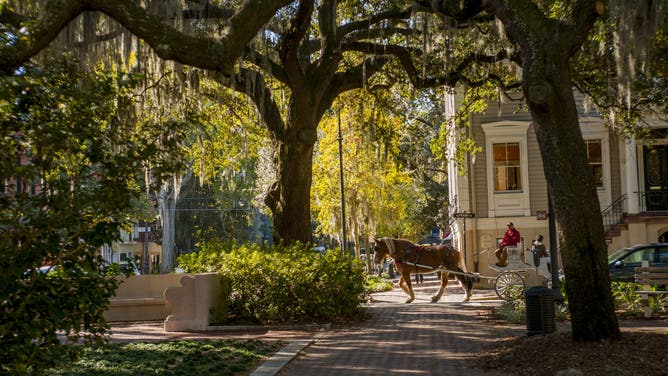
The Chippewa Square in the historic district of Savannah, Georgia, USA.
( Wolfgang Kaehler/Avalon/Universal Images Group via Getty Images / Getty Images)
Florida will see contrasting conditions across the Sunshine State in a regional split this fall: Northern Florida is expected to be cooler and drier than average, while Southern Florida will also trend cooler, but with slightly above-average rainfall.
THE DEADLIEST ANIMALS IN EVERY US STATE: FROM GRIZZLY BEARS TO UNEXPECTED THREATS
Lower Great Lakes
In the Lower Great Lakes, including parts of Illinois, Michigan and Indiana, September is expected to be cooler than average before temperatures return to near normal in October.
Rainfall should remain near average in September before trending slightly drier than normal in October.
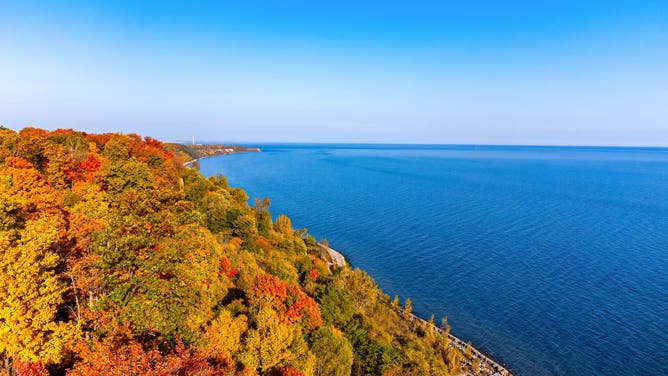
Lakeshore of Lake Ontario in autumn, with beautiful color contrasts in the lush foliage.
(Roberto Machado Noa/LightRocket via Getty Images)
Upper Midwest
Farther north, in the Upper Midwest, including Wisconsin, Minnesota, the Dakotas and northern Michigan, fall is the last stand before winter takes hold.
A cooler-than-average September will give way to a slightly warmer-than-average October. Rainfall will also increase as the season progresses, running slightly above average in September before turning wetter than average in October.
BISON MATING SEASON IS UNDERWAY, AND IT'S BEST TO GIVE THEM SPACE
Deep South
Across the Deep South — including Arkansas, Louisiana, Mississippi, Alabama and Tennessee — a cooler and drier-than-average September will give way to a warmer October, with temperatures around 2°F above average and rainfall returning to near normal.
Farther west, Oklahoma and Texas will see a different pattern. Oklahoma and northern Texas are expected to be slightly cooler than average this fall, with rainfall totals reaching up to 4 inches above normal. Southern Texas, meanwhile, should remain warmer than average in both September and October, with slightly above-average precipitation.
Heartland
In America’s Heartland — including parts of Nebraska, Missouri, Iowa, Illinois, Kansas and southwestern Wisconsin — fall will bring a split in temperatures.
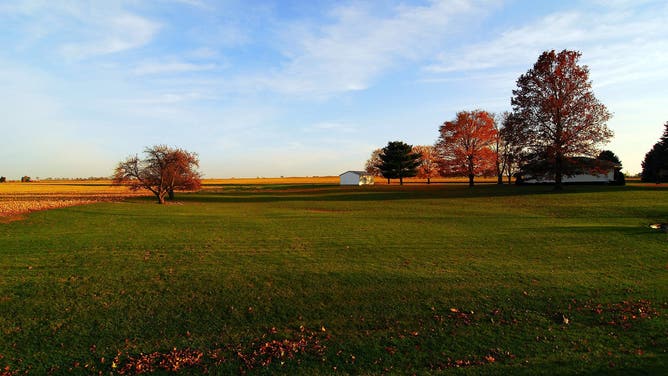
Countryside, Sheridan, Illinois, United States of America, North America.
( Isabella Pino/REDA/Universal Images Group via Getty Images / Getty Images)
The northern Heartland is expected to run slightly warmer than average, while areas farther south trend slightly cooler. September will be drier than average before the pattern turns wetter in October, with rainfall reaching about 1 inch above average.
Ohio Valley
The Ohio Valley will see a similar pattern across a region that includes much of Ohio, Kentucky, West Virginia, Indiana and Illinois.
September is expected to be cooler than average before temperatures rebound closer to normal in October. The fall will also lean dry, with western portions of the region receiving up to 3 inches less rainfall than average, while areas farther east trend slightly drier than normal.
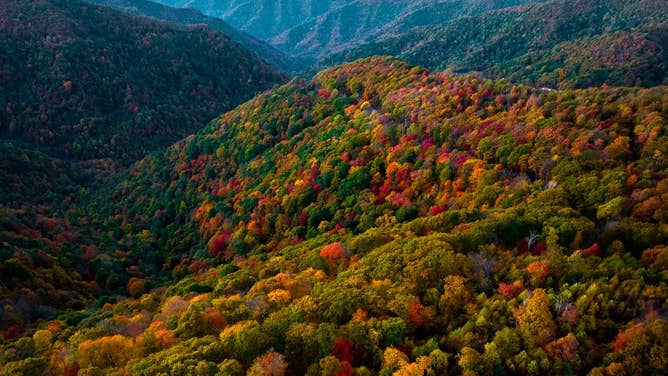
Autumn colors are on display near Black Mountain, the tallest point in Kentucky, in Harlan County during the 2023 fall foliage season. A small, rarely spotted critter at the center of a debate over its endangered status calls Eastern Kentucky home.
(Getty Images)
High Plains
In the High Plains, stretching from Texas and New Mexico north to the Canadian border, fall is expected to stay warmer and drier than average.
Above-average temperatures are forecast throughout the season, while both September and October are expected to bring below-average rainfall.
THE TOP 10 WORST STATES FOR BATTLING MOSQUITOS THANKS TO HEAT AND HUMIDITY
Intermountain West
Across the vast Intermountain West — stretching through the Rockies from Arizona, Colorado and Utah north into Idaho, Oregon and Washington — fall will bring a divide in temperatures.
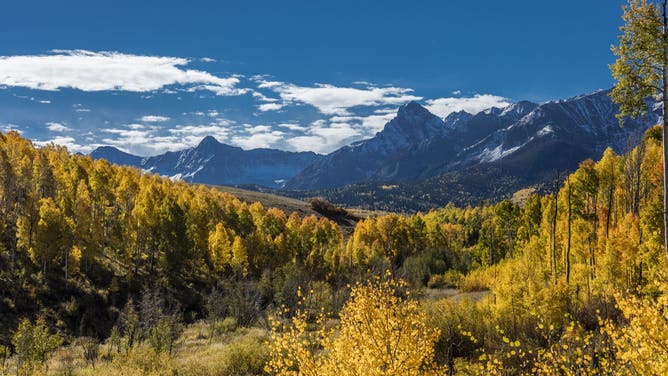
San Juan Mountains In Autumn, near Ridgway Colorado, off Hastings Mesa, dirt road to Telluride, CO.
(oe Sohm/Visions of America/Universal Images Group via Getty Images / Getty Images)
The northern portion of the region is expected to trend cooler than average, while areas farther south run warmer. Despite the temperature split, precipitation across the region is expected to come in slightly above average.
Pacific Northwest
In the Pacific Northwest, where a historic wildfire season has scorched parts of Oregon and Washington, the change of seasons could bring some much-needed relief.
The Farmer's Almanac predicts a cooler and wetter-than-average start to fall, with September potentially bringing as much as 3 inches more rainfall than usual.
AFTER GREAT WHITE SHARK ATTACK, AUSTRALIA'S MOST POPULATED STATE DOUBLES DOWN ON SHARK PATROLS
Southwest
In the Pacific Southwest, covering much of California, September temperatures are expected to stay near average before turning slightly cooler in October. Rainfall will be divided across the region, with northern areas trending slightly wetter while southern portions remain drier than average.
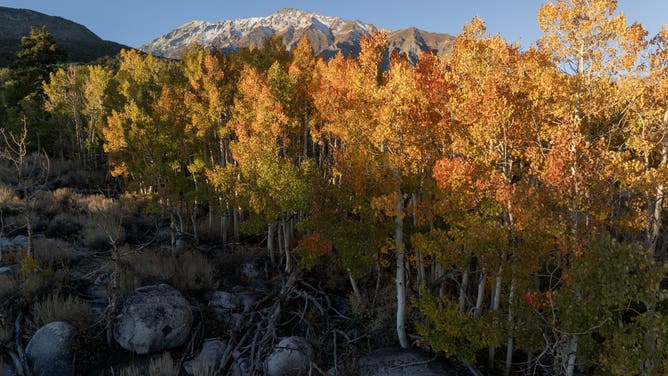
In an aerial view, aspen trees turn yellow as fall colors adorn the Eastern Sierra mountains on October 06, 2025 near Crowley Lake, California.
(David McNew/Getty Images / Getty Images)
There’s a different fall forecast in the Desert Southwest. September is expected to run warmer than average before temperatures turn slightly cooler in October. But the dry pattern holds steady, with below-average rainfall expected throughout the fall.
ALASKA LANDSLIDE UNLEASHED ONE OF THE LARGEST TSUNAMIS EVER RECORDED, NEW STUDY SHOWS
Alaska
In America’s 49th state, fall takes on a different meaning. Alaska is a world apart from the Lower 48, with autumn serving as the final transition before the long, dark winter settles in.
Northern Alaska is expected to trend cooler than average this fall, while southern areas run slightly warmer. Precipitation overall should come in below average, although parts of northern Alaska could get an early taste of winter with the season’s first snow.
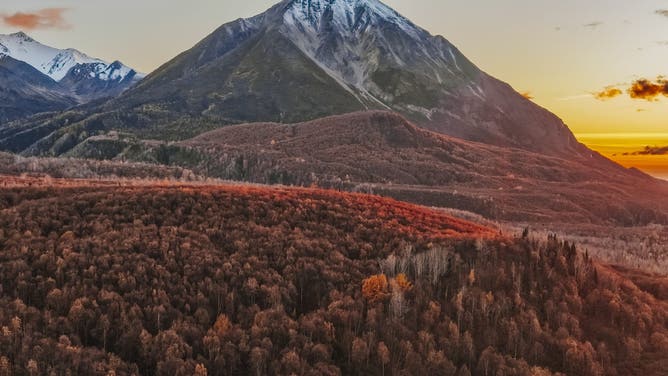
Matanuska Glacier Valley in Alaska's Chickaloon region, the Eklutna Tailrace in Palmer, and the area around Bonnie Lake are where autumn's shades of yellow, orange, and red meet snow-capped mountains on September 30, 2025.
(Hasan Akbas /Anadolu via Getty Images / Getty Images)
Hawaii
In the Pacific, fall looks a little different in Hawaii. While much of the country trades summer heat for crisp autumn air, the islands remain firmly in the tropics.
Still, September and October are expected to trend cooler than average. Eastern portions of the islands could pick up as much as 4 inches more rainfall than normal, and the Farmer's Almanac is even calling for the possibility of a tropical storm around mid-September.