

Here's what you need to know to stay safe at the beach during spring break
As thousands of Americans flock to beaches for spring break, potential weather hazards could affect ocean conditions. Here's what you need to know.
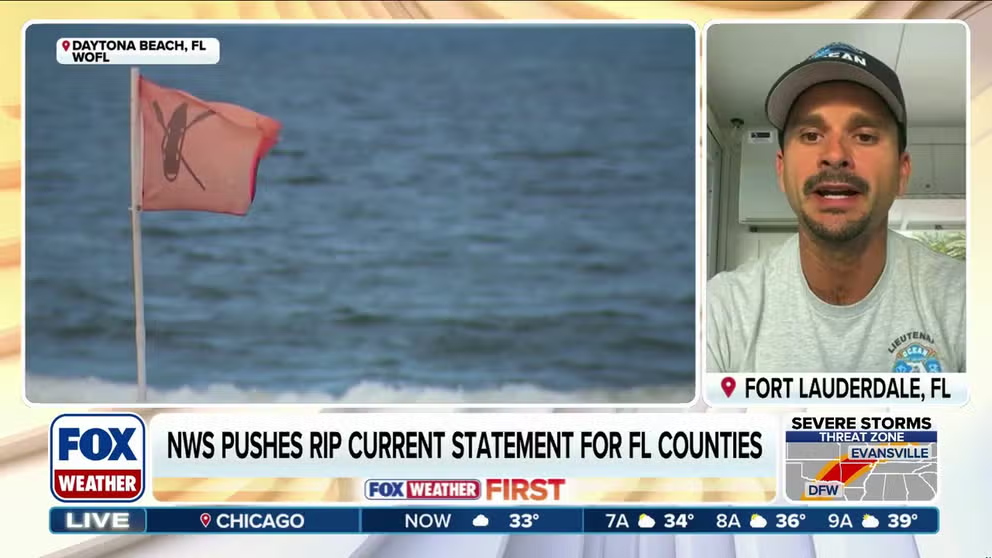
Fort Lauderdale Ocean Rescue Lieutenant David Ochoa joins FOX Weather to discuss beach safety
Fort Lauderdale Ocean Rescue Lieutenant David Ochoa joins FOX Weather ahead of the busy spring break season to discuss beach safety. Learn how to spot rip currents, what to do if caught in one and other important tips:
With spring break finally upon us, people across the country are looking forward to warm weather and fun at the beach, but that always comes with a safety risk.
As thousands of Americans flock to beaches for spring break over the next few weeks, city officials and lifeguards are being reminded to stay vigilant for potential weather hazards that could affect ocean conditions.
Sadly, many people are injured or killed each year by dangerous waves and currents, according to the National Weather Service (NWS).
WHAT YOU NEED TO KNOW AS FLORIDA'S SEA TURTLE NESTING SEASON KICKS OFF
"When you visit the beach, you need to know about the hazards you may face," a statement from the NWS reads. "Staying aware and alert is what will help to keep you safe in the dynamic conditions found on every beach."
Popular destinations such as Miami, Jacksonville and Corpus Christi, Texas, are just some locations with beaches that could see an influx of visitors amid early spring warmth across the U.S.
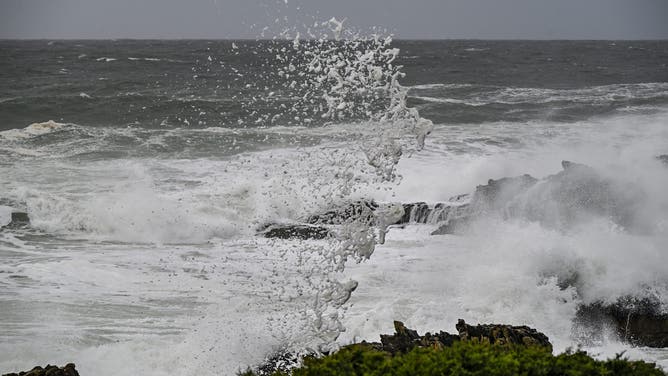
CASCAIS, PORTUGAL - FEBRUARY 13: Foam is produced by heavy winds and large waves breaking into the rocks near Cabo Raso Lighthouse on February 13, 2026 in Cascais, Portugal. Bad weather continues to batter most regions of Portugal with strong winds, heavy rain, and rough seas. The entire mainland is currently under a yellow warning. Trains and boats have been suspended, schools and universities closed, businesses suspended, and residents displaced. The death toll related to the storms ravaging the country now stands at 16, and thousands of people are still without power. (Photo by Horacio Villalobos#Corbis/Getty Images)
(Horacio Villalobos#Corbis / Getty Images)
Experts suggest that you arrive at the beach well-informed on local weather conditions, surf and tide forecasts.
A common threat to everyday beachgoers is the "swash zone," where breaking waves wash onto the shore, masking submerged dangers such as swirling currents, unswimmable conditions and large rocks.
Another threat to swimmers is shorebreak, a wave that quickly slams onto shore at a relatively steep beach.
WHAT IS A RIP CURRENT AND HOW TO SURVIVE ONE
According to the NWS, shorebreak occurs on sharply sloped beaches where waves break quickly and steeply onshore, sometimes causing serious injuries.
Be sure to keep a safe distance from the water, as even the most experienced swimmers can be affected by the powerful tides.
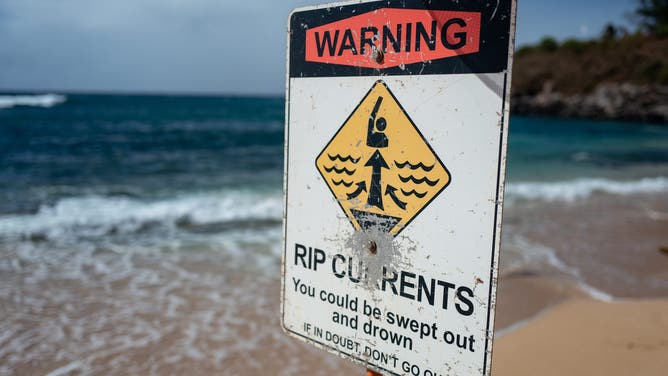
Sign warning swimmers of dangerous rip currents and wave conditions, Ho'okipa Beach, Maui, Paia, Hawaii, July 18, 2023.
(Smith Collection/Gado / Getty Images)
An additional risk is high surf, a term used by the NWS for waves much larger than normal breaking in the surf zone with enough energy to erode beaches, move large logs, wash over jetties, and expose unsafe rocks.
This type of surf typically rises above the usual high-tide waterline and can easily pull people into rough currents, leading to drowning.
WATCH: NORTH CAROLINA MAN 'OBLITERATED' AS HURRICANE ERIN WAVE SMASHES INTO SAND DUNE
Experts say that high surf also poses a risk to people in the surf zone, both in the water and along the immediate shoreline. This could knock you into strong rip currents that can pull you away from the shore.
You should never turn your back on the ocean and always stay aware of the tides' strength. Check with officials and look for beach advisories for potential risks before you get near the water.

Lifeguard station at South Pointe.
(Jeffrey Greenberg/Universal Images Group / Getty Images)
The NWS recommends choosing a location with lifeguards on duty for a safe beach experience. They are also the best source of local information about beach conditions and hazards.
The NWS offers a surf forecast for popular beach cities to help beachgoers prepare for the conditions ahead, including rip current risk, surf height, thunderstorm risk and more. Click here for the latest information.