

Propane shortage prompts state of emergency in New Jersey as bitter cold hangs over Northeast
The executive order signed by Gov. Murphy allows for a statewide exemption on regulations about when propane can be delivered for home heating.
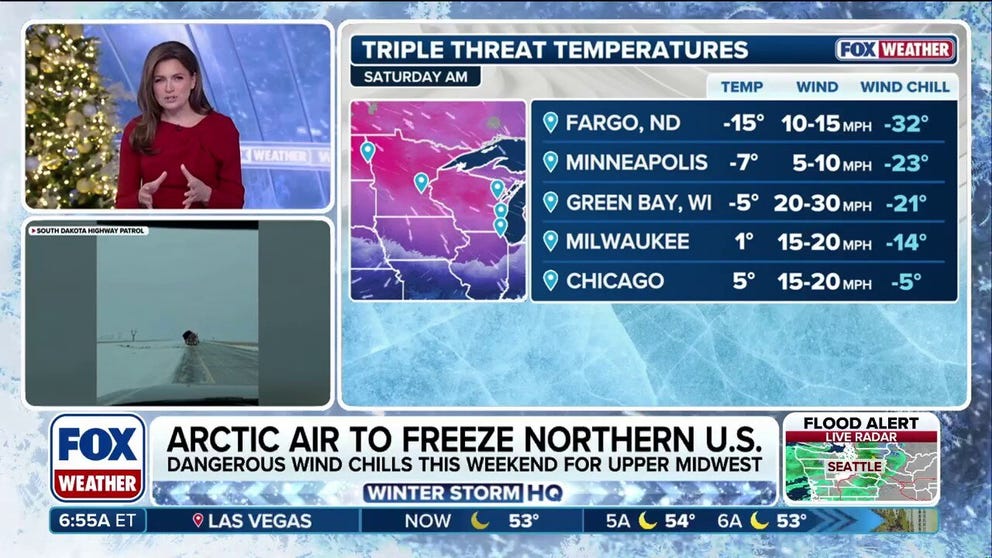
Back-to-back arctic blasts set to hit millions of Americans with alarmingly cold temperatures
Over 210 million Americans will experience dangerously chilling temperatures as a one-two punch of Arctic air is set to blast the Northern Tier and Eastern U.S., causing below-average temperatures and some of the coldest air of the season.
New Jersey is declaring a state of emergency due to a shortage of propane that could prevent more than 180,000 people from receiving heat in a period of bitter cold during La Niña winter.
Gov. Phil Murphy declared a state of emergency starting at 9 a.m. ET Friday, saying that a service disruption at a propane plant in Pennsylvania is anticipated to lead to impacts on propane for delivery for home and commercial heating.
"As temperatures continue to drop, ensuring that every person has access to a safe, warm environment is essential," Gov. Murphy said. "I am declaring a state of emergency to ensure that the approximately 186,000 New Jerseyans who rely on propane for home heating purposes can receive it without interruption."
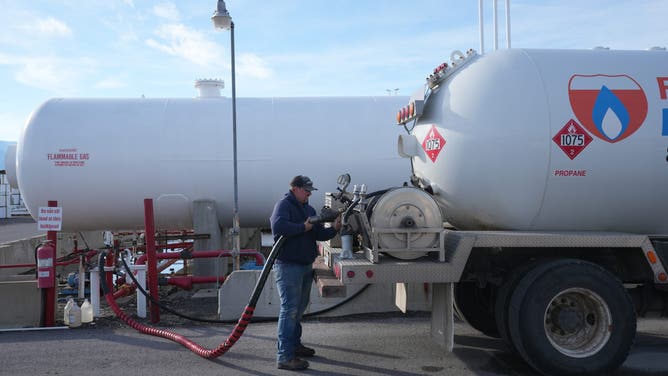
A worker fills a propane delivery truck at a Freeway Propane facility in Springville, Utah, U.S., on Wednesday, Oct. 20, 2021.
(George Frey/Bloomberg / Getty Images)
The executive order signed by Gov. Murphy allows for a statewide exemption on regulations about when propane can be delivered for home heating.
"This executive order expands delivery capabilities to keep homes heated and families secure," Gov. Murphy said.
The order extends commercial operators' driving time from 11 hours a day to 14 hours a day.
Temperatures across the Northeast have fluctuated between cold and colder as another round of arctic air settles over the country this weekend.
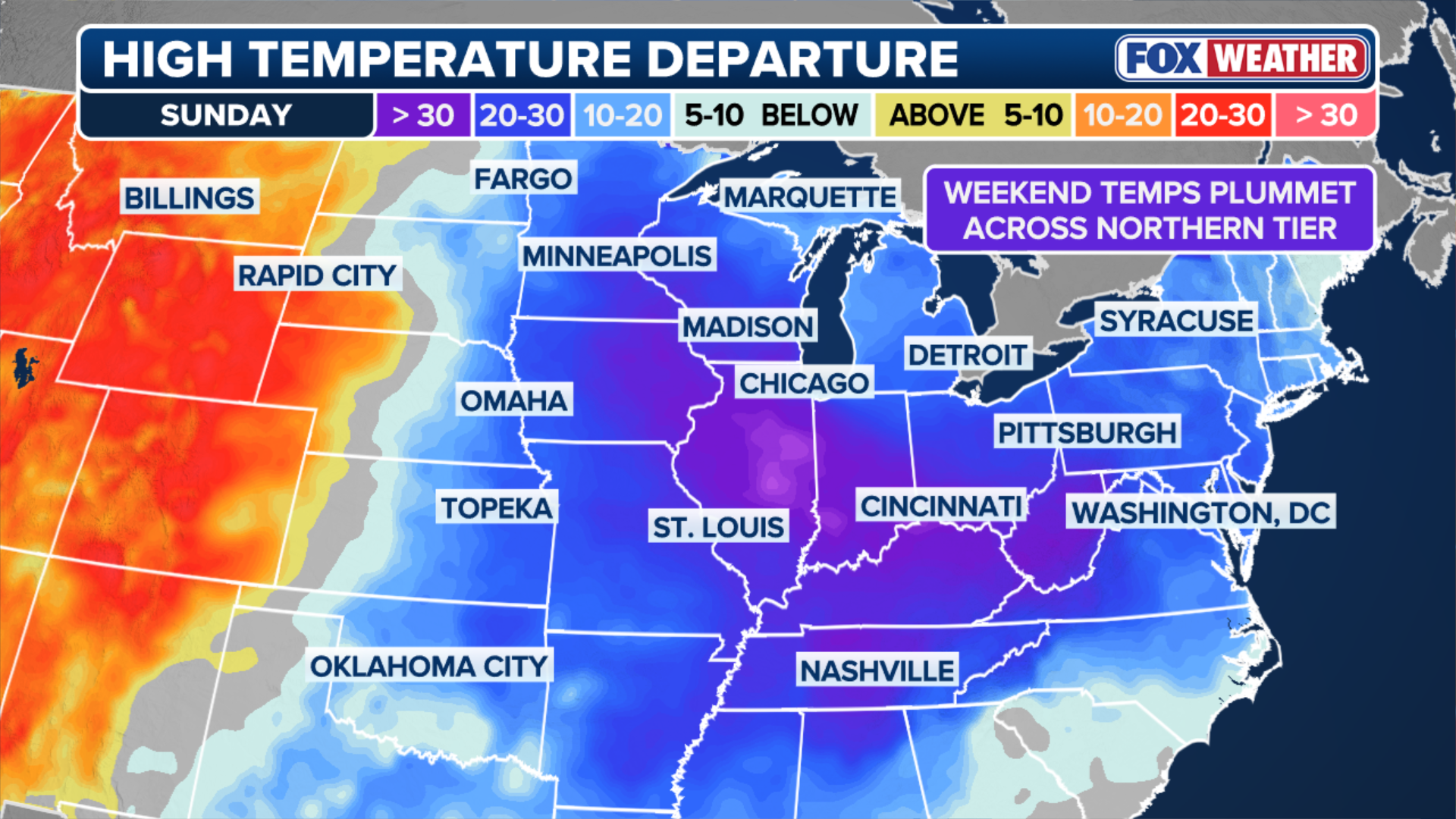
(FOX Weather)
La Niña winter is really showing off, as cities along the Interstate 95 corridor could see temperatures 20 to 30 degrees below average.
La Niña is one of three climatological phases of the El Niño-Southern Oscillation (ENSO) that describe natural changes in Pacific Ocean temperatures and atmospheric circulation that can greatly influence global weather.
NOAA expects La Niña conditions to become more influential on U.S. weather through December.
Gov. Murphy said the state of emergency will remain in effect until it's determined an emergency no longer exists.