

Increase in extreme weather negatively influences the global supply chain, report finds
The report found that extreme weather has a 93% threat level, as severe weather events increase in frequency and intensity around the world, negatively affecting Americans financially.
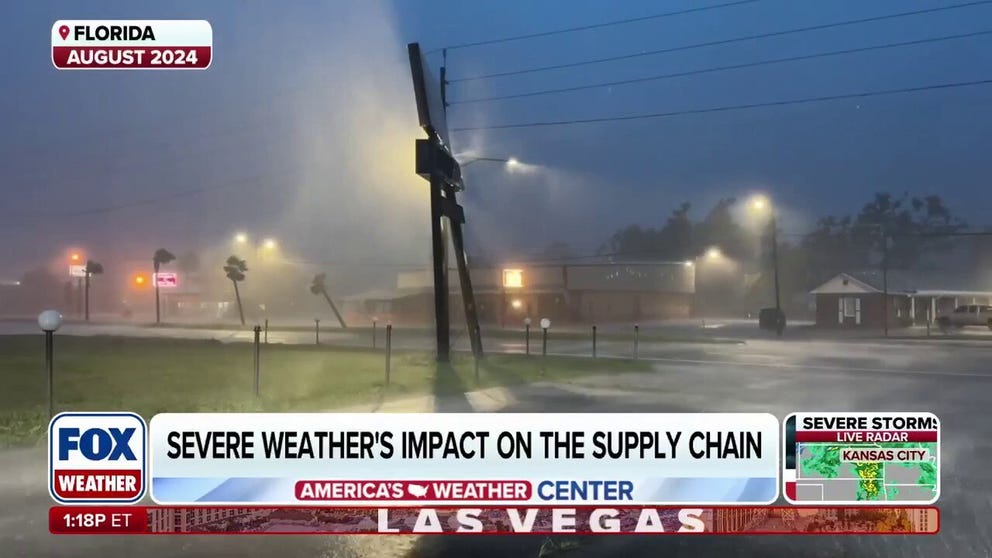
How does extreme weather impact the supply chain?
WEATHER & THE SUPPLY CHAIN: The increase of extreme weather around the U.S. is an emerging threat for top global supply chains. Everstream Analytics found that weather has the second-biggest impact on the world's supply chain. Chief Meteorologist of Everstream Analytics Jon Davis joins FOX Weather to discuss the newly released risk report.
Everstream Analytics released its 2026 risk report determining that extreme weather is the second-biggest threat to the global supply chain, right behind geopolitical tensions.
The report found that extreme weather has a 93% threat level, as severe weather events increase in frequency and intensity around the world, negatively affecting Americans financially.
"We’ve seen this accelerating trend with extreme weather events on energy, on agriculture, on people," Everstream Analytics Chief Meteorologist Jon Davis said. "And the real concern looking ahead to this year...we will continue to see an acceleration of those extreme weather events that have ramifications financially and with all aspects within the supply chain."
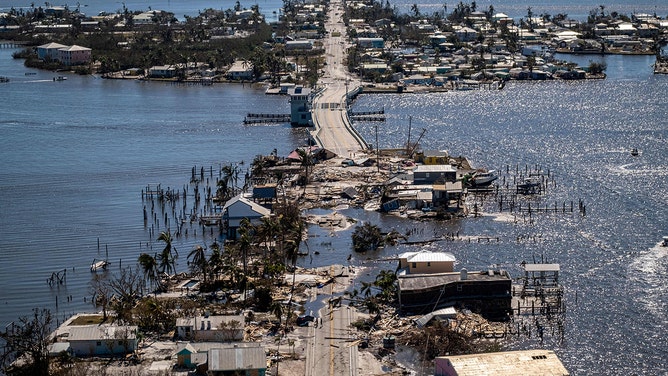
A neighborhood destroyed in the aftermath of Hurricane Ian in Fort Myers, Florida.
(RICARDO ARDUENGO/AFP / Getty Images)
According to the report, which was based off the company’s machine learning algorithm, within the last decade, tropical cyclones have been the leading cause of supply chain losses around the world, while strong wind events associated with non-tropical cyclones are the second-largest contributor.
"It’s the lingering effect of those overall situations. They have major ramifications in the supply chain," Davis said in an interview with FOX Meteorologist Bob Van Dillen.
Other weather events, including flash flooding, have increased since the turn of the century. Economic losses from floods rose from $33 billion in 2000 to an average of $42 billion in later years. That is a 27% increase.
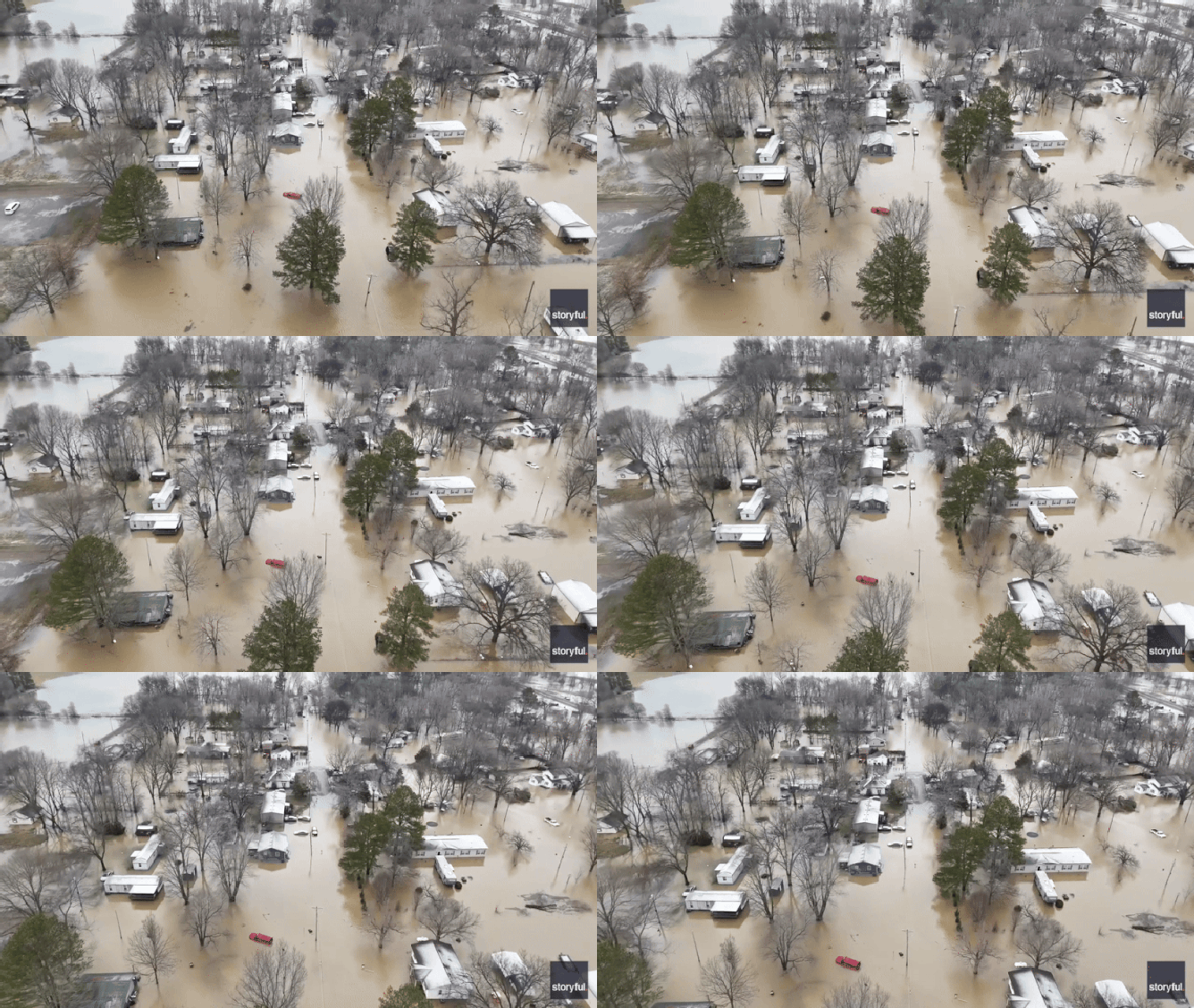
This image comes from drone video showing the scope of flooding after a levee failed in Tennessee.
(Jacob Fulbright via Storyful / FOX Weather)
In Europe, for years, flooding disasters have been one of the leading causes of economic impacts, but in the summer of 2025, drought, heat and flash floods resulted in almost $50 billion in losses.
Recently, the agricultural supply chain has been experiencing the worst impacts from the increase of extreme weather.
A YEAR IN REVIEW: THE MOST DRAMATIC VOLCANIC ERUPTIONS IN 2025
Just last year, the global wheat harvest was 18% below its early average due to droughts in major producing areas causing food prices to increase.
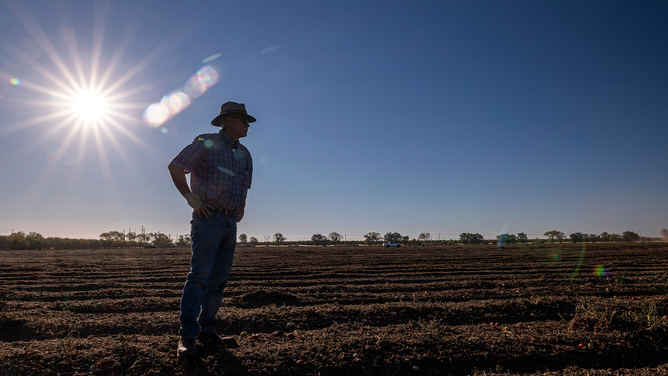
Drought and water shortages are hurting processing tomato production in a region responsible for a quarter of the world's output, with the squeeze set to exacerbate already elevated prices for tomato-based goods.
(David Paul Morris/Bloomberg / Getty Images)
The decline in the agriculture supply chain has also influenced pharmaceuticals, skincare, biofuels, certain resin and plastic products.
"It goes far beyond food and beverages, things that we eat. It also goes into every little aspect within the supply chain," Davis said.
YEAR IN REVIEW: SHOCKING SATELLITE IMAGES OF EXTREME WEATHER SEEN FROM SPACE
The continuous disruption to the agriculture supply chain will result in price hikes as different industries compete for the same limited product.
This was evident with cacao in late 2024, when many markets faced a high demand for the commodity. Prices rose by almost 300% due to a decline in production caused by devastating weather, combined with the surge in demand.
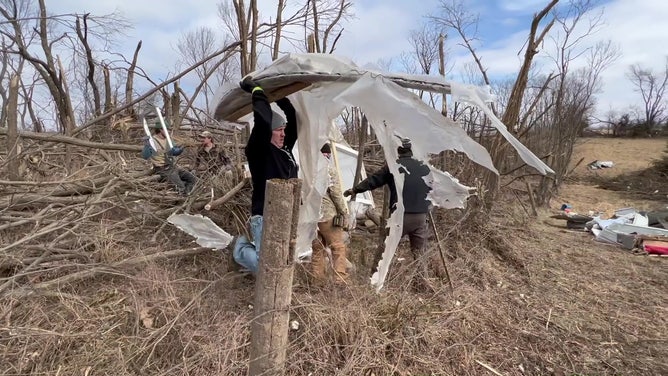
Tornado damage at PepperHarrow Farm in Winterset, Iowa
(FOX Weather)
Eversteam Analytics predict that this is only going to get worse in 2026.
"When you tend to get any kind of issues where you have scarcity in commodities and scarcity in products, then it becomes a situation where all of these sectors will compete to get those commodities and those products," Davis said.
LIGHTNING STRIKES IN THE U.S. REACH 8-YEAR-HIGH IN 2025
The company preaches that traditional weather risk management is no longer practical in today’s environment.
Everstream Analytics said that companies must invest in advanced climate modeling and real-time weather monitoring systems in order to be proactive when it comes to extreme weather.
"Building climate resilience requires fundamental changes to supply chain design, including geographic diversification, increased inventory buffers, and flexible logistics networks that can rapidly reroute around weather-impacted areas." Everstream Analytics states in the report.