

NASA aims to put astronauts back on the moon by 2028
Here’s a look at how prediction markets are sizing up NASA’s timeline for landing astronauts on the moon.
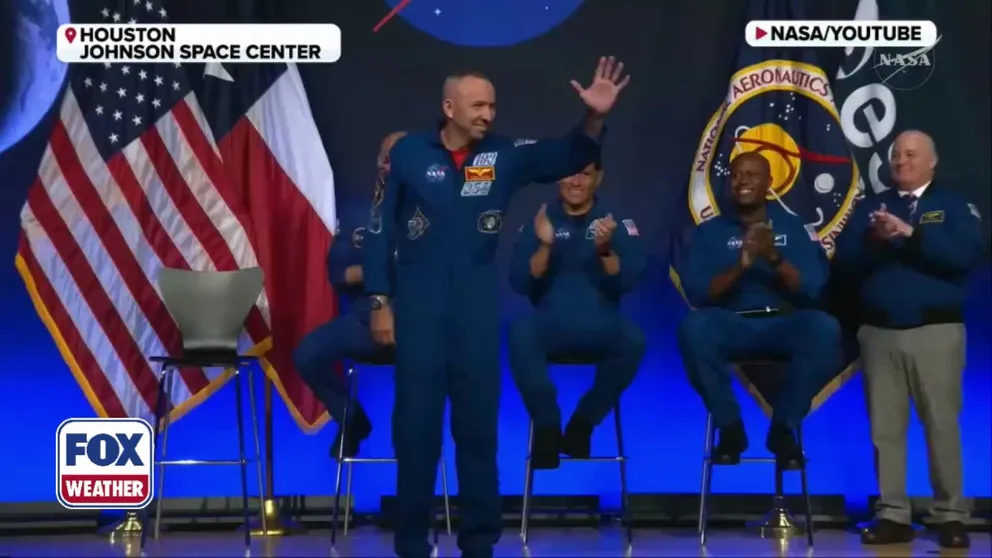
FILE: NASA announces Artemis III crew
Commander Randy Bresnik, Pilot Luca Parmitano and Mission Specialists Andre Douglas and Frank Rubio will be the four astronauts heading back into space aboard the Orion spacecraft for the Artemis III mission.
It has been more than 50 years since Eugene Cernan and Harrison "Jack" Schmitt walked on the moon, and NASA is now on an ambitious timeline to return astronauts to the lunar surface.
Humanity has not returned to the moon since the successful Apollo 17 mission, but NASA’s Artemis program is ushering in a new era of lunar exploration.
THE CLOCK IS TICKING ON SPACEX’S RACE TO MARS
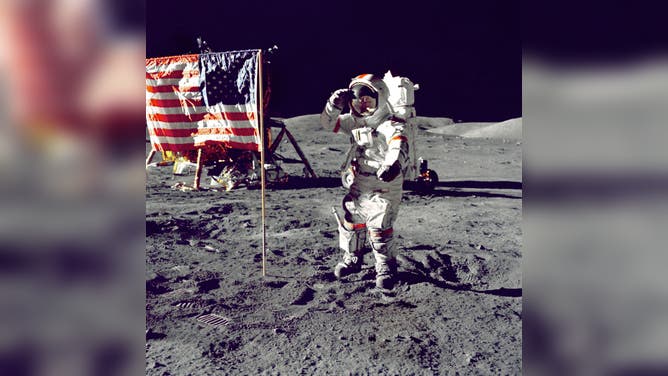
The Last Man on the Moon: Eugene Cernan poses by the American flag in his A7L spacesuit, December 1972. Artist NASA.
(Heritage Space/Heritage Images via Getty Images / Getty Images)
Building on the success of Artemis I and Artemis II, NASA has selected the astronauts for Artemis III — a critical test mission before Artemis IV, the mission aiming to send astronauts back to the lunar surface for the first time in more than half a century.
NASA continues to target 2028 for the first Artemis lunar landing, a timeline it has maintained since mid 2025.
THIS SPACEX TEST COULD PAVE THE WAY FOR NASA'S RETURN TO THE MOON
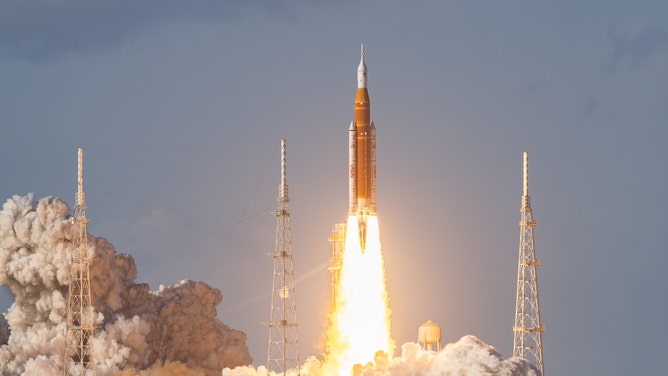
April 1, 2026: NASA's Space Launch System (SLS) rocket launches the Artemis II crew to the moon.
(Brandon Moser / Getty Images)
Here’s a look at how prediction markets are sizing up NASA’s timeline for landing astronauts on the moon.
WILL SPACEX LAND ANYTHING ON MARS BEFORE 2030?
With Artemis III planned as a demonstration mission in low-Earth orbit, NASA will evaluate one or both commercial human landing systems being developed by SpaceX and Blue Origin — Starship and Blue Moon — ahead of the next lunar landing attempt.
NASA'S ARTEMIS PROGRAM: PAVING THE WAY FOR HUMANKIND'S RETURN TO THE MOON AND BEYOND
The mission will carry astronauts aboard NASA’s Orion spacecraft and test the critical rendezvous and docking operations between Orion and the commercial landers. The systems will be needed to carry astronauts from lunar orbit to the moon’s surface during Artemis IV.
NASA hopes Artemis IV will mark the first step in a long-term return to the moon, helping lay the groundwork for sustained lunar exploration and future missions deeper into space.
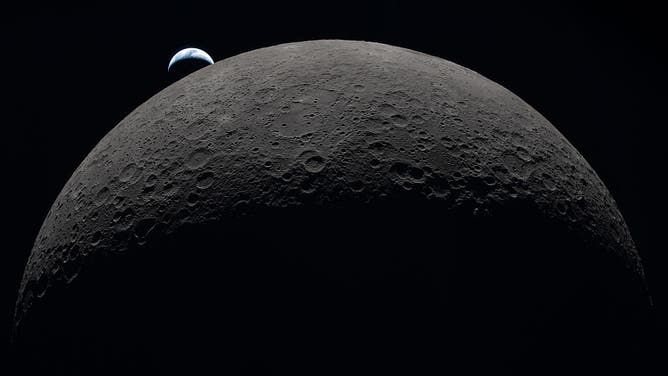
Earth sets at 6:41 p.m. EDT, April 6, 2026, over the Moon’s curved limb in this photo captured by the Artemis II crew during their journey around the far side of the Moon.
(NASA)
Artemis V, a second lunar surface mission planned for 2028, would follow Artemis IV as NASA aims to establish a cadence of one moon mission per year.
Exactly when astronauts will return to the moon remains uncertain, but NASA’s push to the lunar surface is a top priority.
The agency hopes the mission will mark the beginning of a sustained human presence on and around the moon, and serve as a stepping stone for future exploration deeper into space.