
Two fascinating astronomical events kick off 2026 on the same day
January will start with the first full moon of the year and the peak of the first major meteor shower.
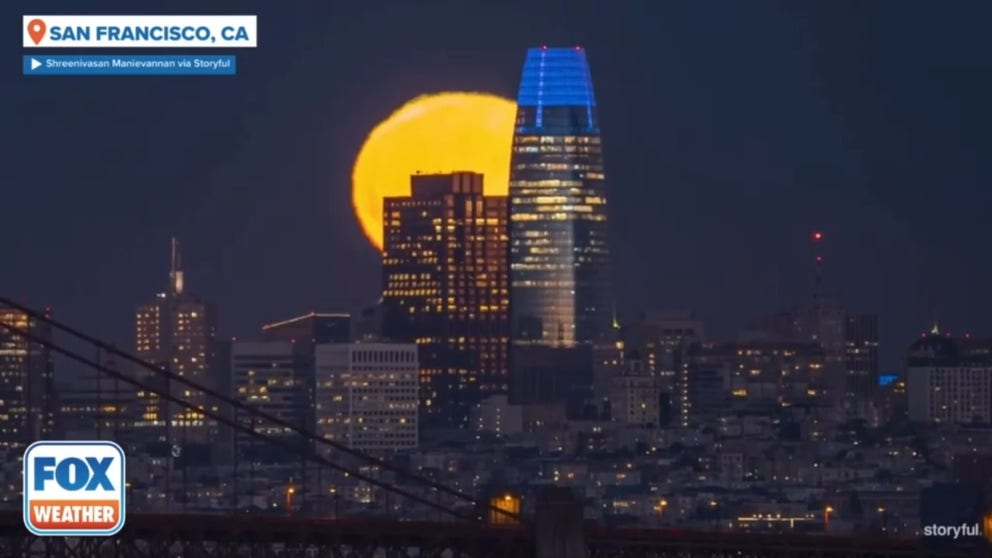
FILE: Supermoon rises over Golden Gate Bridge, San Francisco skyline
Timelapse footage showed the first supermoon of 2024 rising over the Golden Gate Bridge and the San Francisco skyline on Monday evening. The footage, filmed by Shreenivasan Manievannan, caught the super blue moon in all its glory, shining in an orange haze as it rose over the San Francisco Bay.
As the new year unfolds, the skies are set to bring a thrilling lineup of astronomical events, beginning Jan. 3, as winter marks the best time of year to stargaze, according to National Geographic.
Not only will it introduce the first full moon of the year, but the peak of the first major meteor shower, as well.
THESE ARE THE SKYWATCHING EVENTS YOU WON'T WANT TO MISS IN JANUARY
According EarthSky.org, the first full moon of the year, is referred to as the Wolf Moon because, "in parts of the world where they live, wolves are active in January and often howl on cold nights."
The Wolf Moon will be a supermoon and is set to peak in the early morning hours of Jan. 3.

SAN SALVADOR, EL SALVADOR - JANUARY 13: A view of the first full moon of the year, also known as the wolf moon due to its happening on January, as seen from the city on January 13, 2025 in San Salvador, El Salvador.
(APHOTOGRAFIA / Getty Images)
Supermoons occur when the moon is near its closest point to the Earth in orbit and will lie 225,130 miles from our planet, compared to a typical full moon being 240,000 miles away, EarthSky said.
Supermoons will look noticeably brighter than ordinary full moons and, according to NASA, only occur three to four times a year and always appear consecutively, so skywatchers are in for a treat.
THE BEST CELESTIAL EVENTS IN 2026 YOU WON'T WANT TO MISS
In addition to the supermoon, 2026 will kick off with the Quadrantid meteor shower peaking on the same day, Saturday, Jan. 3.
![Quadrantids meteor shower over Pacific Ocean of Half Moon Bay in California, United States on January 4, 2024.]() Image 1 of 2
Image 1 of 2Quadrantids meteor shower over Pacific Ocean of Half Moon Bay in California, United States on January 4, 2024. (Photo by Tayfun Coskun/Anadolu via Getty Images) ( )
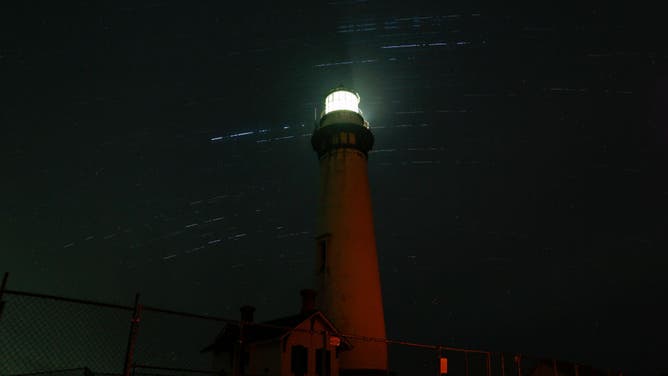
![A view of stargazing as Quadrantids meteor showers peak, at Pigeon Point Light Station in Pescadero, California, United States on January 4, 2024.]() Image 2 of 2
Image 2 of 2A view of stargazing as Quadrantids meteor showers peak, at Pigeon Point Light Station in Pescadero, California, United States on January 4, 2024. (Photo by Tayfun Coskun/Anadolu via Getty Images) ( )
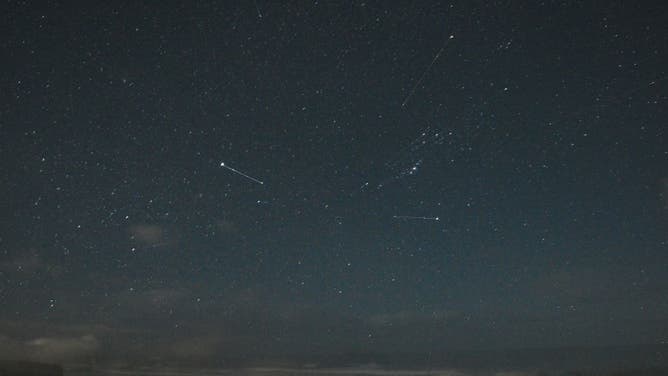
The Quadrantids are expected to produce up to 25 meteors per hour at a dark site and sometimes up to 100 per hour are seen under ideal conditions, according to The Planetary Society.
They typically show as bright fireballs. However, light from the supermoon may make it more difficult to see them this year.
NASA suggests going to a wide-open area away from bright city lights and without any trees or mountains, for the best viewing of astronomical events.
They say that your eyes need to adapt to the dark and can take up to a half an hour or more to become fully sensitive to low light.