

Too much sun? When a sunburn becomes something more serious and how to treat it
Prolonged exposure to the sun can lead to painful sunburns or, in more serious cases, sun poisoning.
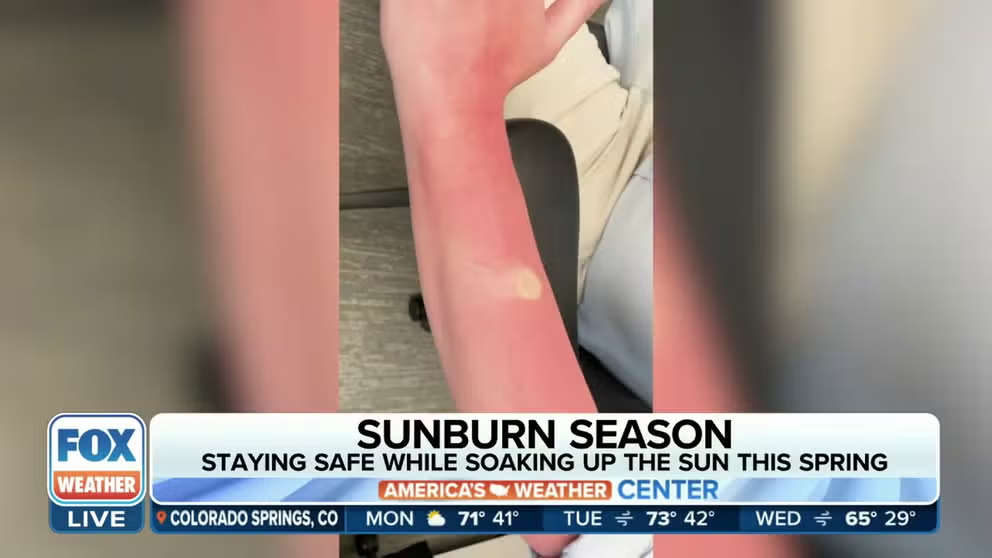
Sunburn season: Staying safe while soaking up the sun this spring
Dr. John Whyte, Chief Medical Officer at WebMD, discusses best practices to keep your skin safe from the sun and the best treatment options if you do get sunburn.
Summer is here, which means it’s time to get back outside, enjoying longer days by the pool, heading to the beach, or going for a hike.
WILL 2026 BE THE HOTTEST YEAR EVER AMID RECORD-BREAKING TEMPERATURES ACROSS THE US?
But it has already been a hot summer, with some regions seeing temperatures soar above 100 degrees and experiencing dangerously high UV levels.
Prolonged exposure to the sun can lead to painful sunburns or, in more serious cases, sun poisoning.
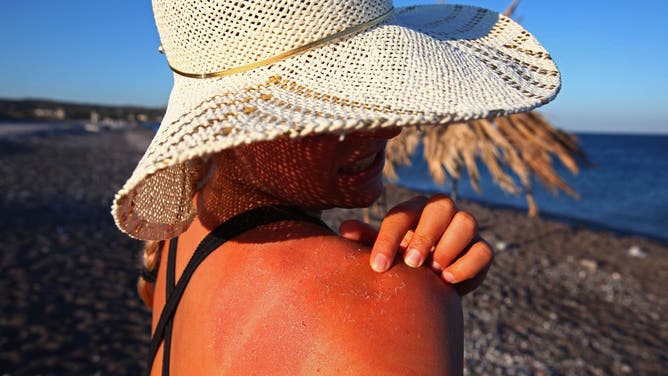
A woman on a beach with a sunburned back.
(EyesWideOpen/Getty Images / Getty Images)
But what’s the difference?
According to Hartford Healthcare, a sunburn happens when ultraviolet (UV) rays damage the skin, causing redness, irritation, or skin discoloration.
Other symptoms include skin that feels warm or tender, pain in the affected area, mild swelling, and peeling that can occur a few days later.
Officials say most sunburns are uncomfortable but can typically be managed at home.
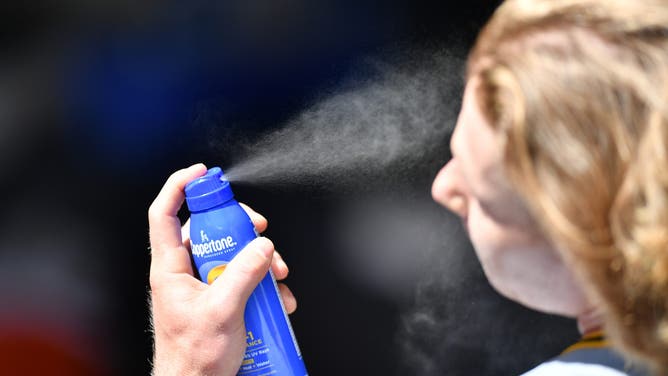
A man sprays himself with sunscreen in the dugout prior to an MLB game.
(Patrick Gorski/Icon Sportswire via Getty Images / Getty Images)
While sun poisoning occurs when a sunburn is accompanied by symptoms that affect the rest of the body.
While the name may sound alarming, sun poisoning does not mean a person has been poisoned by the sun. It is a medical term used to describe a severe sunburn caused by prolonged exposure to the sun’s UV rays without proper protection.
HOW THE WEATHER YOU’RE ACCUSTOMED TO AFFECTS NATIONAL WEATHER SERVICE HEAT WARNINGS, ADVISORIES
People experiencing sun poisoning may develop painful burns that can look similar to an allergic reaction.
The burn can not only redden or darken the skin but can also make a person feel sick.

An older woman sunbathes on a lawn with a sunburn.
(Claudio Galdames Alarcon/Anadolu via Getty Images / Getty Images)
Symptoms can include fever, chills, nausea, dizziness, a severe rash, intense pain, lip blisters, fatigue, and dehydration.
Brown University Health says many cases of sun poisoning can be treated with home remedies, such as soaking or showering in cool water, applying aloe vera or a thick moisturizer, drinking plenty of water to stay hydrated, and taking anti-inflammatory medications like ibuprofen or acetaminophen.
But, some cases require medical attention. If a person begins experiencing blisters, facial swelling, severe headache, dizziness, or an upset stomach, they should seek medical care immediately.

Spectators use an umbrella as protection against the sun.
(Henry NICHOLLS / AFP via Getty Images / Getty Images)
Doctors may provide IV fluids and prescribe medications to help treat the burns and manage symptoms.
EXTREME HEAT SAFETY: HOW TO PREPARE AND STAY COOL DURING A HEAT WAVE
To prevent sunburns and sun poisoning, medical experts recommend taking precautions whenever spending time outdoors.
Officials recommend wearing a broad spectrum sunscreen with at least SPF 30. Broad spectrum sunscreen helps protect against both UVA and UVB rays.
Apply sunscreen at least 15 minutes before going outside and reapply every two to four hours, or after swimming or sweating.
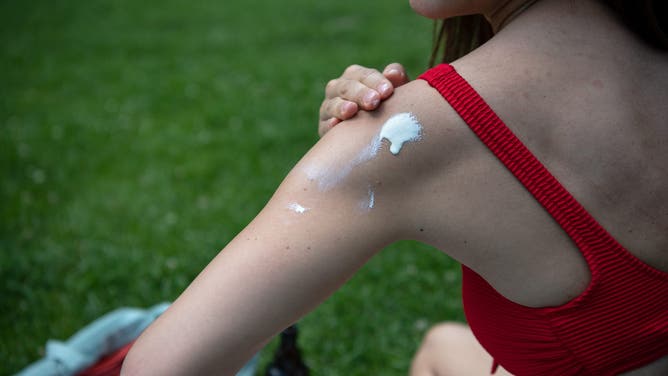
A woman puts on cream sunscreen.
(Sina Schuldt/picture alliance via Getty Images / Getty Images)
Wearing a hat and sunglasses can also help protect the face, eyes, and neck from harmful UV exposure.
Some medications can make the skin more sensitive to sunlight, including certain acne medications, oral contraceptives, antibiotics, antidepressants, and heart medications. People taking those medications should take extra precautions when spending time in the sun.
HEAT-RELATED DEATHS MOUNT AFTER HISTORIC FOURTH OF JULY HEAT WAVE BROILED EASTERN US
Summer is a time to enjoy the outdoors, but taking the proper precautions can help protect your skin and your overall health.