

NASA looks to improve forecasting of dengue risks in Puerto Rico
In Puerto Rico, dengue continues to be a serious health risk, NASA said, and is becoming a growing concern in the mainland U.S. as well.

FILE: Plants that repel mosquitos
Keeping mosquitos away from your family this summer can start with your landscaping. FOX 26 Houston Reporter Ruben Dominguez discovers garden plants and pet and kid safe tips to keep the bloodsuckers at bay.
NASA is looking into how to better long-range forecast and predict the risks of dengue in Puerto Rico.
Dengue is a viral infection caused by the dengue virus, which is transmitted to humans through the bite of infected mosquitoes.
HERE'S EVERYTHING YOU NEED TO KNOW ABOUT FLESH-EATING PARASITE IN THE US AS CASES TRIPLE IN SIZE
In Puerto Rico, dengue continues to be a serious health risk, NASA said, and is becoming a growing concern in the mainland U.S. as well.
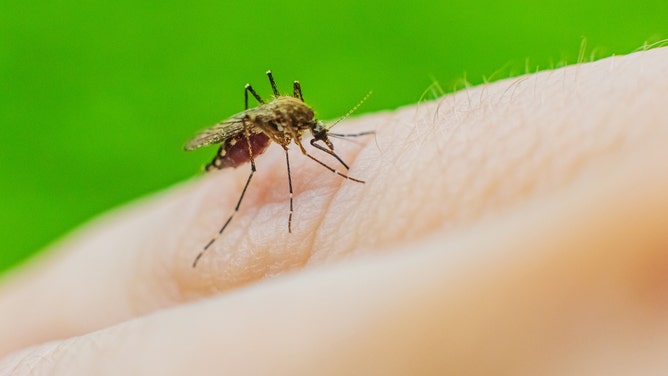
Mosquito drinks blood
(iiievgeniy / Getty Images)
Dengue is most common in tropical and subtropical environments. NASA said cases in the mainland U.S. have been reported in Arizona, Hawaii, California, Texas and Florida.
NASA said it's helping researchers track environmental conditions linked to the transmission of dengue by using longer-lead forecasting methods and technology to help forecast when there is increased risk in Puerto Rico.
CAN GOOGLE TAKE DOWN THE WORLD'S DEADLIEST ANIMAL?
In the last two years, Puerto Rico reported 9,500 cases of dengue in a major outbreak, with more than half of the reported cases in 2024 resulting in hospitalization, NASA said.
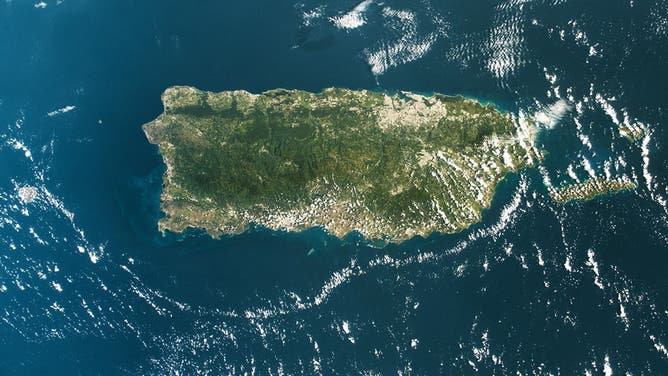
An astronaut aboard the International Space Station captured this broad view of Puerto Rico, where lush green terrain gives way to a drier southern coast, on April 6, 2024.
(NASA)
According to the World Health Organization (WHO), most people who get dengue do not have symptoms. For those that do, the most common symptoms are high fever, headache, body aches, nausea and rash.
Most cases resolve within one to two weeks, but some severe cases require hospitalization.
DEADLY TICK-BORNE DISEASE THAT CAN CAUSE BRAIN DAMAGE SPREADING ACROSS THE US
NASA said forecasting dengue outbreaks depends on understanding how rainfall, temperature, the extent of standing water and other factors shape mosquito habitats and help the virus spread.
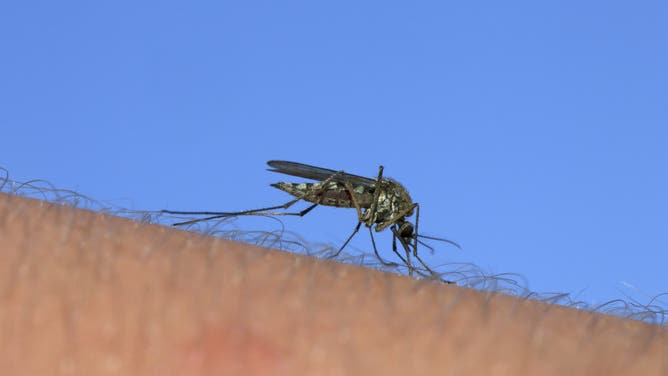
mosquito (Culex pipiens) stinging human arm to feed on blood. (Photo by: via Getty Images)
(Arterra/Universal Images Group / Getty Images)
However, traditional forecasting methods often struggle to predict these conditions weeks and months in advance, which limits how much time public health officials have to prepare, NASA said.
A NASA-supported team is using data from several tools and missions to improve longer-lead forecasts of dengue risk in Puerto Rico.
These forecasts would give public health officials ample time to prepare by spraying insecticide and strengthen public awareness.