

Deadly tick-borne disease that can cause brain damage spreading across the US
Powassan virus can be transmitted within minutes, attacking the brain and potentially causing encephalitis, speech difficulties, seizures and paralysis.
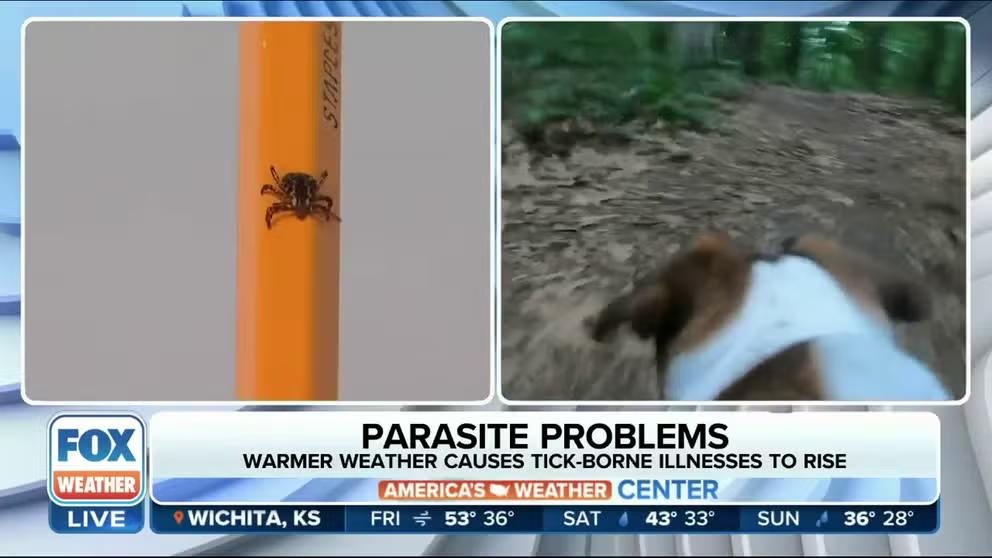
FILE: Warmer weather causes tick-borne illnesses to rise
Fall’s sunny, warm days and intermittent rain have been ideal for the tick population to thrive in Pennsylvania.
Authorities are sounding the alarm about a rare, but potentially deadly tick-borne disease as tick season ramps up across the U.S.
LARGE INCREASE IN TICK BITES REPORTED AT HOSPITALS ACROSS THE US AS SPRING WARMTH KICKS IN
Powassan virus is an extremely rare but serious illness that spreads through the bite of infected black-legged deer ticks, according to Massachusetts health officials.
If an infected tick bites a person, the virus can be transmitted within minutes, attacking the brain and potentially causing encephalitis, speech difficulties, seizures and paralysis, according to the Cleveland Clinic.
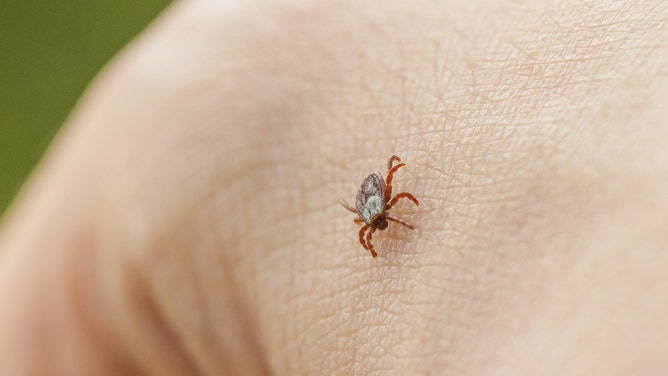
Powassan virus is extremely rare but is a serious disease that is spread by the bite of tiny, infected black-legged deer ticks.
(iiievgeniy / Getty Images)
"One of the most dangerous aspects of it is its rapid transmission," Dr. Jorge P. Parada, medical advisor for the National Pest Management Association (NPMA) in Chicago, told FOX News Digital. "Powassan can be transmitted in as little as 15 minutes after an infected tick bites, while Lyme disease usually requires a 36- to 48-hour attachment time for transmission."
Early symptoms of Powassan virus can include fever, headache, vomiting and fatigue.
FDA APPROVES EMERGENCY USE OF MEDICATION TO TREAT FLESH-EATING PARASITE IN DOGS AND CATS
People that do recover may experience long-term health effects, including chronic headaches, memory problems and reduced muscle strength.
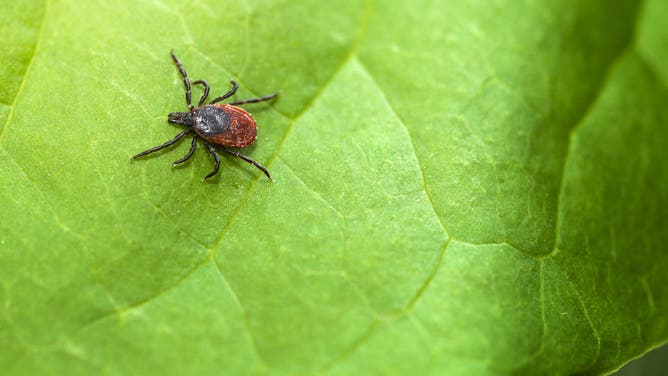
Powassan virus can include fever, headache, vomiting and weakness.
(Avalon_Studio / Getty Images)
"Unlike most tick-borne illnesses, 10% to 15% of severe cases are fatal," Parada said. "And about half of survivors experience permanent neurological damage."
Although the disease is extremely rare, reported cases have increased in recent years.
HOW TO STAY SAFE DURING TICK SEASON
Since 2012, roughly 200 cases have been reported across the U.S., with fewer than 10 cases reported so far in 2026.
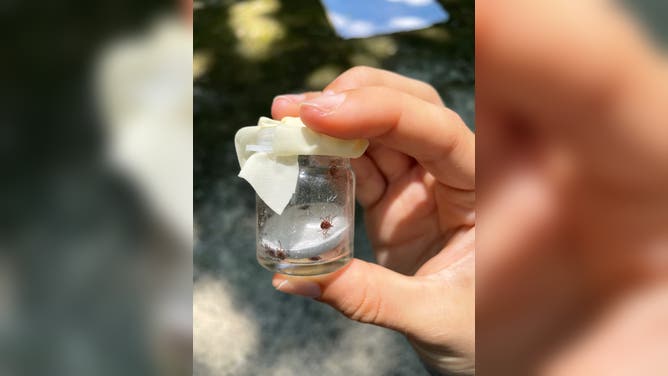
Since 2012, roughly 200 cases of the Powassan Virus have been reported across the U.S., with fewer than 10 cases reported so far in 2026.
(Smith Collection/Gado / Getty Images)
One recent case involved New Hampshire resident John Reagan, who was diagnosed with Powassan virus about a month ago.
According to a GoFundMe page created for Reagan and his family, he was hospitalized after contracting the disease.
HIGH FECAL BACTERIA LEVELS TRIGGER SWIM ADVISORIES, CLOSURES AT NEW JERSEY BEACHES
Since then, he has been unable to speak clearly and is bedridden. He requires a ventilator to help him breathe and a feeding tube because he cannot swallow on his own.
Before his diagnosis, Reagan was described as an extremely active individual.
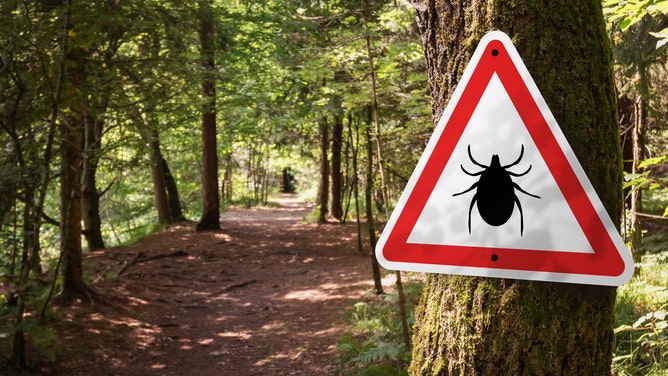
Infected ticks warning sign in a forest. Risk of tick-borne and lyme disease.
(24K-Production / Getty Images)
"Every day is a challenge, and every day is a miracle as John continues to fight back against this devastating disease," the GoFundMe post said.
"The impact of John's illness has been overwhelming for his wife and family. In addition to the mounting medical costs, they are facing the daily expenses of maintaining their home and life while John remains in the hospital. The emotional and financial strain is immense," the post continued.
BRAIN-EATING AMOEBA DETECTED IN WATER AT ICONIC US NATIONAL PARKS, STUDY FINDS
Currently, there is no specific treatment for Powassan virus, and those who contract severe cases may face lifelong complications.
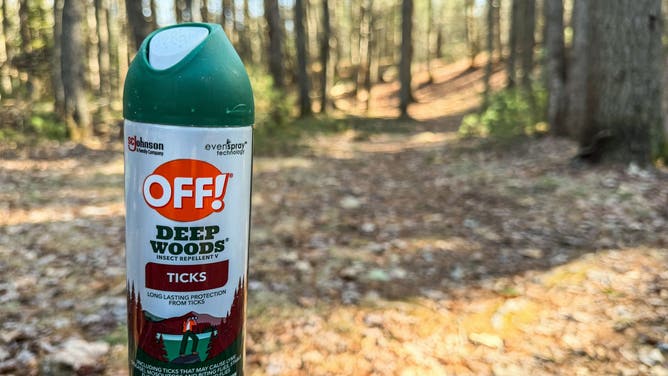
The CDC says the best way to prevent infection is to use insect repellent, wear long sleeves and pants, avoid wooded and brushy areas when possible, and perform thorough tick checks after spending time outdoors.
(Catherine Robotis/UCG/Universal Images Group / Getty Images)
Health officials say older adults, young children and people with weakened immune systems are at the highest risk.
Cases are most common during the late spring through mid-fall months, when tick activity is at its peak.
DOCTORS WARN OF INCREASE IN TICKS, LYME DISEASE AFTER MILD WINTER
The CDC said the best way to prevent infection is to use insect repellent, wear long sleeves and pants, avoid wooded and brushy areas when possible, and perform thorough tick checks after spending time outdoors.
"We also recommend making your yard less attractive to ticks by keeping grass short and using gravel or wood chips to create a 'tick moat' around the edge of your property to discourage migration," Parada said.