

Large increase in tick bites reported at hospitals across the US as spring warmth kicks in
Warmer temperatures brings out animals and insects, including a higher risk of tick bites, as officials have noticed an increase in hospital visits.

FILE: Tips for dealing with ticks as New York braces for unprecedented tick season
Health officials in New York are warning of an unprecedented tick season, with experts predicting the worst conditions in years. Dr. Andrew Handel, a pediatric infectious diseases specialist at Stony Brook Children's Hospital spoke with FOX Weather with some tips on how to deal with and prevent tick bites this summer.
Nature lovers beware: government officials are warning of an early increase in hospital visits due to tick bites in the U.S. so far this year.
As millions of Americans welcome the more regular spring warmth, people flock to the great outdoors to spend time outside.
This shift in temperatures also brings out animals and insects, including a higher risk of tick bites, as officials have noticed an increase in hospital visits.
HOW TO STAY SAFE DURING TICK SEASON
According to the CDC, the highest risk of being bitten occurs in spring and summer, and adult females are most likely to bite humans.
Different tick species are found in different regions of the U.S., according to experts. Most tick populations are found outside, in shaded areas.
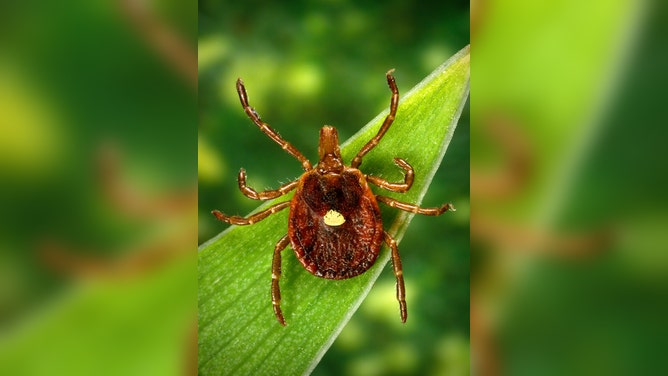
A photo of the female lone star tick.
(Photo by Smith Collection/Gado/Getty Images)
Since the start of 2026, 131 people have visited the hospital for tick bites, compared with the first three months of 2025, when 102 people did so, according to CDC data.
If bitten by a certain tick, pathogens can spread and make people and animals seriously ill.
US ARMY SOLDIERS INJURED IN BEAR ATTACK DURING FIELD TRAINING IN ALASKA
A common tick found in 20 U.S. states is the Asian Longhorned tick, not typically found in the western hemisphere, but was first reported in the country in 2017.
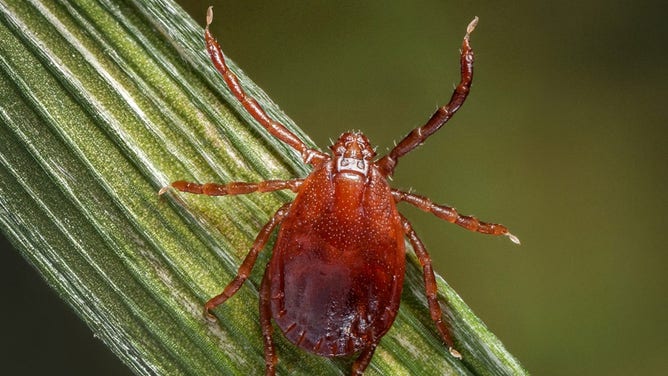
Photo of an Asian longhorned tick.
(Centers for Disease Control and Prevention)
"With ongoing testing of ticks collected in the United States, it is likely that some ticks will be found to contain pathogens that can be harmful to people," a statement from the CDC said.
There are various tick species spread through different states and regions of the country. Each type of tick bite packs a different punch of pain, along with short and long-term effects.
SPIDERS THE SIZE OF A HUMAN HAND ARE SPREADING THROUGHOUT THE US
It is important to act quickly if you have been bitten and always take the necessary precautions before going outside to prevent ticks from latching onto your skin.
How to prevent tick bites
Taking a few extra safety precautions can help keep you and your family safe from ticks while spending more time outdoors this spring and summer:
- When you go outside, be sure to wear mosquito or insect repellent. Be sure to apply insect or tick repellent containing 20 to 30% DEET, according to Stony Brook University.
- Wear long pants and tuck the legs of the pants into your socks. This prevents ticks from crawling up onto your skin.
- When you come back inside, remove your clothes and shoes. Then, place them in the dryer on high heat for 10 minutes to kill any ticks that might be on them.
- Check your body, particularly in skin folds and hairy areas, for any ticks.
THIS POTENTIALLY DEADLY, FLESH-EATING PARASITE IS GETTING CLOSER TO THE US
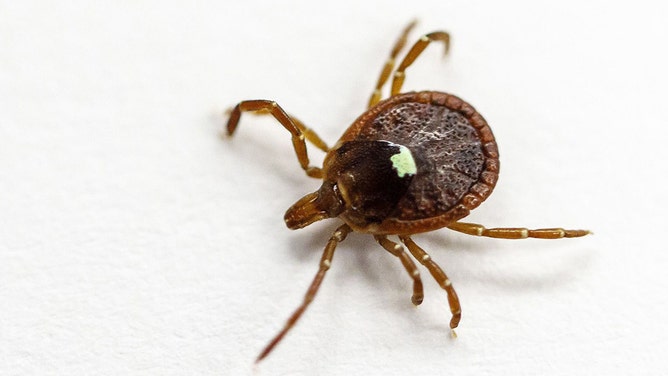
A live specimen of the lone star tick in a lab in Morrill Hall at the University of Illinois at Urbana-Champaign in 2017.
(Brian Cassella/Chicago Tribune/Tribune News Service / Getty Images)
Remove the tick as soon as possible
CDC experts suggest these actions if bitten by a tick:
- Use fine-tipped tweezers to grasp the tick as close to the skin as you can.
- Pull upward with steady, even pressure. Don’t twist or jerk the tick.
- After removing the tick, clean the bite area and your hands with rubbing alcohol or soap and water.
- Dispose of the tick by flushing it down the toilet. If you would like to bring the tick to your healthcare provider for identification, put it in rubbing alcohol or place it in a sealed bag/container.