

May skywatching guide: From meteor showers to micromoons, here is what to look up for
Be on the lookout for another meteor shower, full moons — which may appear slightly smaller than usual — and a super new moon, as the trend of stunning displays continues.
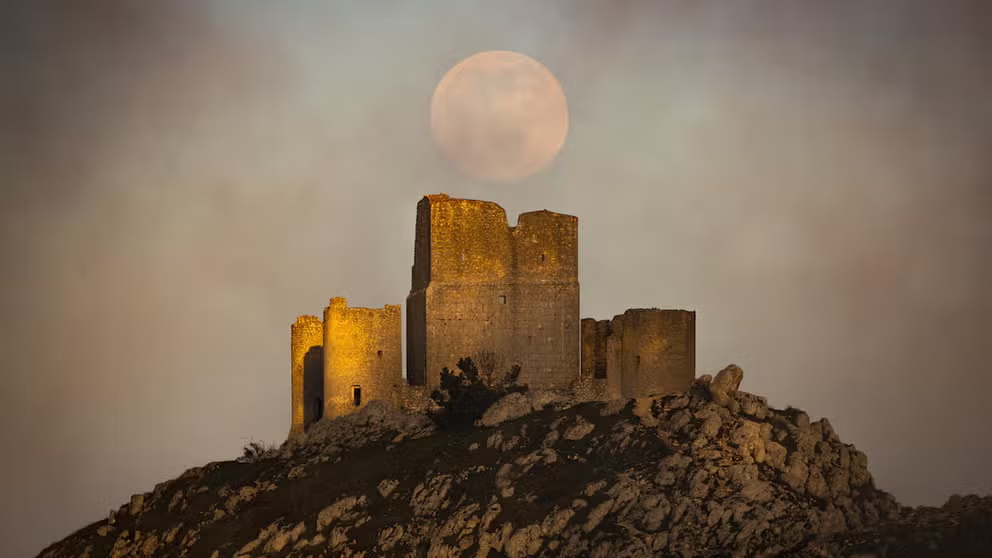
FILE : 'Flower Moon' puts on incredible show around the world
May's full moon put on a stunning show from New York to Kenya.
Each month of the year brings skywatchers a new set of celestial wonders to marvel at, and May is no exception.
Be on the lookout for another meteor shower, full moons — which may appear slightly smaller than usual — and a super new moon, as the trend of stunning displays continues.
THE BEST CELESTIAL EVENTS IN 2026 YOU WON'T WANT TO MISS
Here is everything you can look forward to this month.
May 1 - Full Flower Micromoon
The month of May will start off big—or should we say small—with a Full Flower Micromoon on May 1.
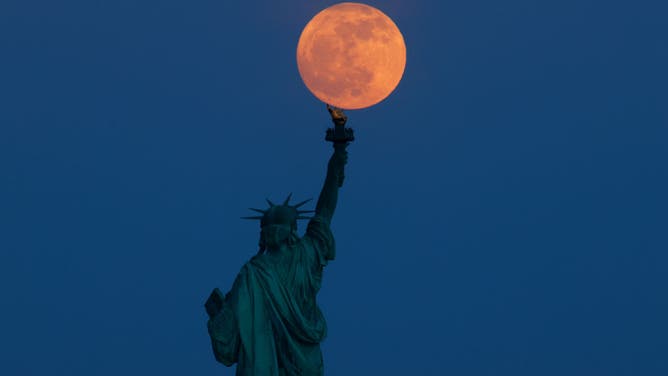
JERSEY CITY, NJ - MAY 22: The full Flower Moon rises behind the Statue of Liberty at twilight in New York City on May 22, 2024, as seen from Jersey City, New Jersey. (Photo by Gary Hershorn/Getty Images)
(Gary Hershorn / Getty Images)
A micromoon occurs when the moon is at its farthest point from Earth in its orbit, known as apogee.
According to EarthSky.org, it will be about 249,793 miles away, compared to the moon’s average distance of 238,900 miles.
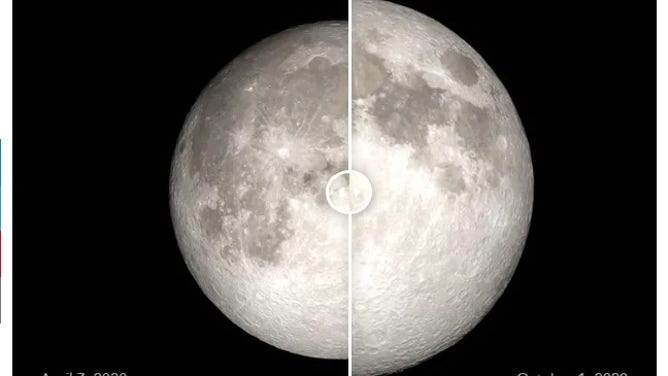
This is a NASA image comparing the relative size of the supermoon to the micromoon. NASA says it is about the difference between a quarter and a nickel.
(NASA's Scientific Visualization Studio / NASA)
Because of this increased distance, the moon may appear slightly smaller and dimmer than usual; hence the name "micromoon."
In the sky, it will rise low in the east around sunset, reach its highest point around midnight, and then set in the west shortly before sunrise on May 2.
May 5 to 6: Eta Aquariids meteor shower
The Eta Aquariids meteor shower is projected to peak before dawn on May 5.
MEET RISE, THE BELOVED ARTEMIS II MASCOT THAT TRAVELED TO THE MOON AND BACK
The Planetary Society describes the appearance of the meteors as "fast streaks and glowing ‘trains’ of debris, rather than big fireballs."
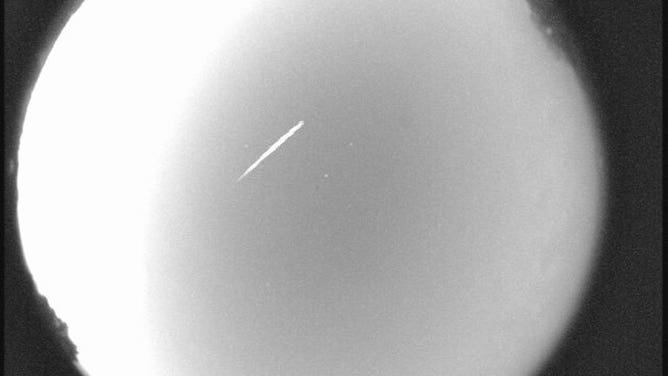
An Eta Aquarid meteor streaks over north Georgia on April 29, 2012.
(NASA / NASA)
Visibility is usually better in the Southern Hemisphere; however, Northern Hemisphere viewers can still expect to see about 10 to 30 meteors per hour under perfect dark skies, though the 2026 moon will likely wash out all but the brightest ones.
May 16 - Super new moon
Opposite to a micromoon, a supermoon typically appears brighter than the average moon.
According to EarthSky.org, a supermoon exceeds the disk size of the average-sized moon by 8%, and with brightness by roughly 16%. It also exceeds the disk size of micromoon by up to 14% and its brightness by roughly 30%.
WHAT ARE THE PHASES OF THE MOON?
However, the supermoon occurring on May 16 also happens to be a New Moon, meaning it will be positioned between the Earth and the sun and remain invisible to the naked eye, despite the closer proximity to Earth.
May 31 - Full blue micromoon
On May 31, the sky will be graced with another micromoon, the full blue micromoon.
NASA notes that blue moons are relatively rare because they refer to the second full moon occurring within a single month—hence the origin of the phrase, "once in a blue moon."
NASA'S ARTEMIS II CREW REFLECTS ON HISTORIC MISSION AROUND THE MOON AND BACK
This happens when the lunar cycles don’t line up with the length of the calendar months.
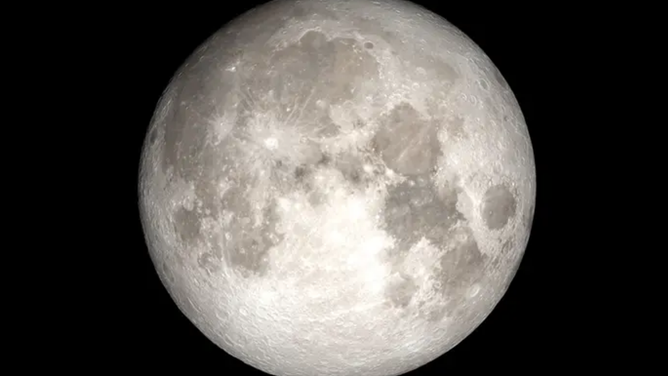
When a full moon reaches apogee or the furthest point farthest from Earth it is known as micromoon. NASA photo from April 7, 2020.
(NASA)
With that, keep your eyes on the sky this month—you never know what you might catch!