

Why spring equinox auroras shine brightest in March and where to catch them
When the spring equinox arrives, it often sparks increased geomagnetic activity, which directly dictates aurora brightness, activity and location.
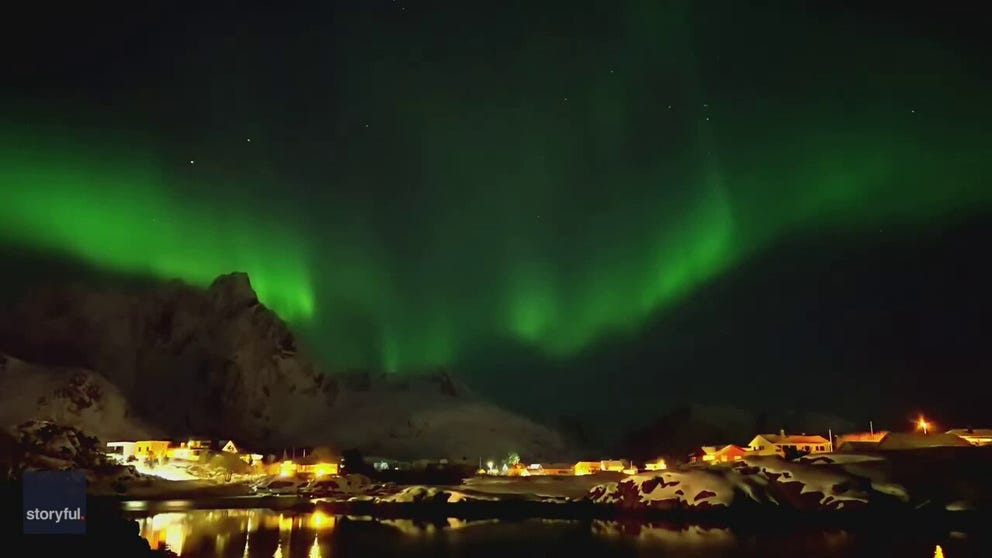
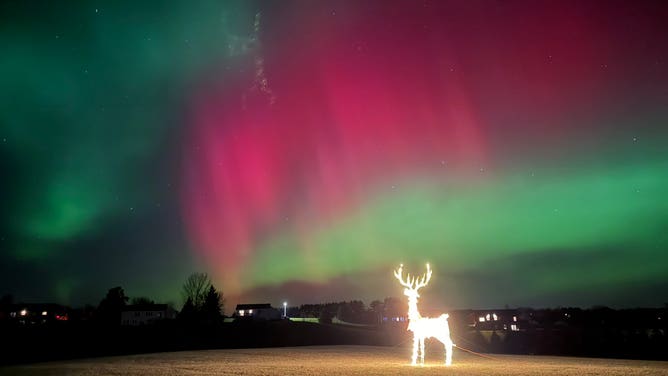
FILE: Timelapse captures shimmering aurora above Norwegian village
A dazzling aurora shimmered across the sky above Norway’s Lofoten archipelago, located north of the Arctic Circle, on March 15.
Mark your calendars and ready your cameras—this is one show you won’t want to miss!
On March 20, the spring equinox auroras are set to dazzle skies worldwide, lighting up the night with a breathtaking spectrum of colors.
7 THINGS TO KNOW ABOUT THE NORTHERN LIGHTS
When the spring equinox arrives, it often sparks increased geomagnetic activity, which directly dictates aurora brightness, activity and location.
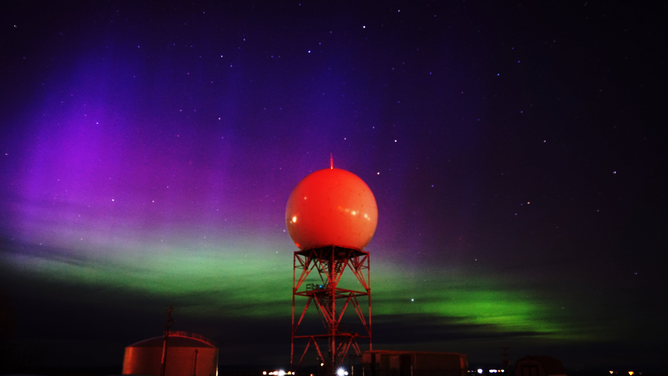
![The Northern Lights are seen in this image posted by the National Weather Service in Riverton, Wyoming.]() Image 1 of 19
Image 1 of 19FILE: The Northern Lights are seen in this image posted by the National Weather Service in Riverton, Wyoming. (@NWSRiverton/Twitter)
![Northern Lights over Ashland, WI]() Image 2 of 19
Image 2 of 19FILE: Northern Lights over Ashland, WI (@clkoval/X)
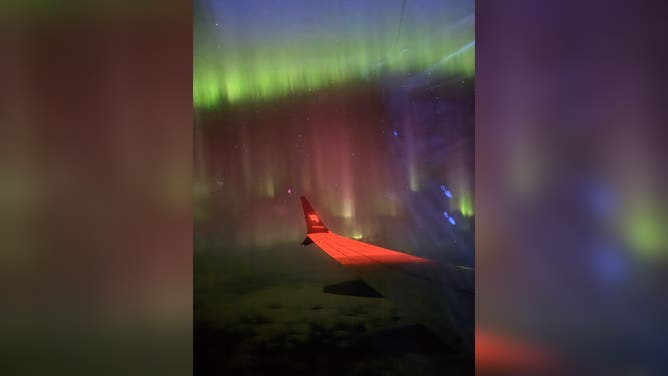
![Northern lights spotted Monday night on a flight to Iceland.]() Image 3 of 19
Image 3 of 19FILE: Northern lights spotted Monday night on a flight to Iceland. (Nicole Morrison)
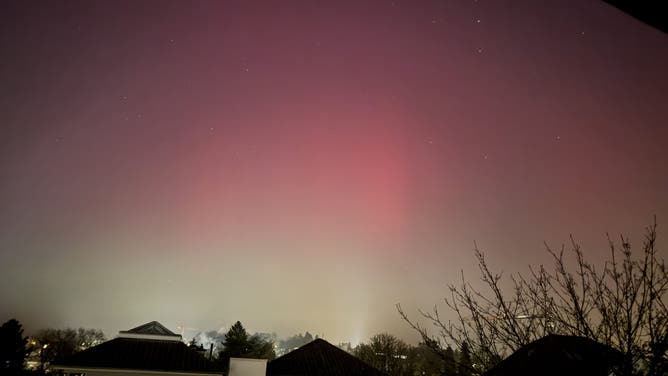
![Northern Lights spotted in Wiesbaden, Germany, on Monday night]() Image 4 of 19
Image 4 of 19FILE: Northern Lights spotted in Wiesbaden, Germany (Kim Klopp)
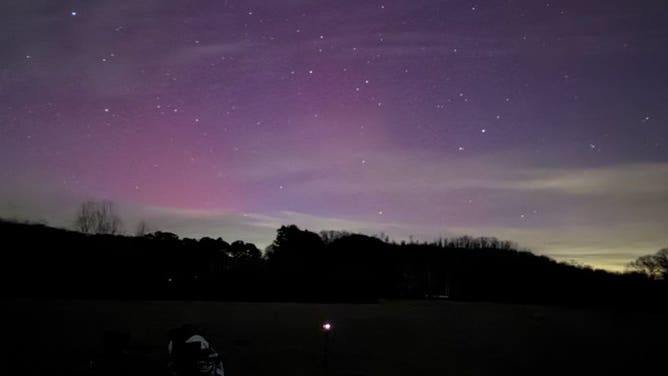
![]() Image 5 of 19
Image 5 of 19FILE: The aurora borealis were starting to become visible in Athens, AL (@NaderChaserRob / X)
![Northern Lights over Kingston, MN]() Image 6 of 19
Image 6 of 19FILE: Northern Lights over Kingston, MN (Tanner Charles)
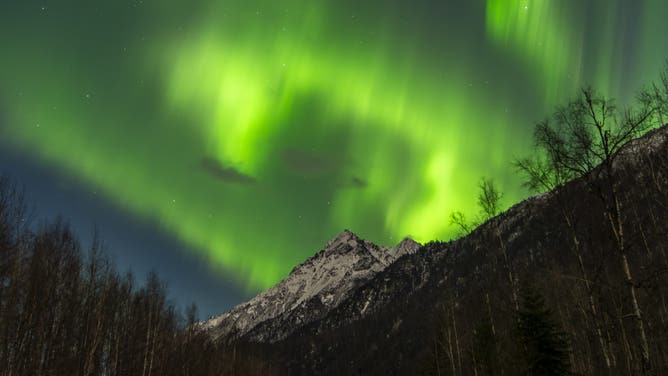
![FILE: Northern lights (Aurora Borealis) illuminate the sky in Alaska's Eklutna Tailrace, United States on March 09, 2025.]() Image 7 of 19
Image 7 of 19FILE: Northern lights (Aurora Borealis) illuminate the sky in Alaska's Eklutna Tailrace, United States on March 09, 2025. (Hasan Akbas / Anadolu)
![Northern Lights near Seattle]() Image 8 of 19
Image 8 of 19Northern Lights shine over Hansville, Washington on Sept. 16, 2025. (Greg Johnson / SkunkBayWeather.com)
![Northern Lights over Marion County, IL]() Image 9 of 19
Image 9 of 19FILE: Northern Lights over Marion County, IL (@caseyphotoz/X)
![Northern Lights over Champaign, IL]() Image 10 of 19
Image 10 of 19Northern Lights over Champaign, IL on November 11, 2025 (@wxkaitlynj/X)
![Northern lights seen from the Pittsburgh]() Image 11 of 19
Image 11 of 19FILE: Northern lights seen from the Pittsburgh (NWS Pittsburgh)
![The Northern Lights are seen in this image posted by the South Dakota Highway Patrol in Walworth County.]() Image 12 of 19
Image 12 of 19FILE: The Northern Lights are seen in this image posted by the South Dakota Highway Patrol in Walworth County. (South Dakota Highway Patrol)
![]() Image 13 of 19
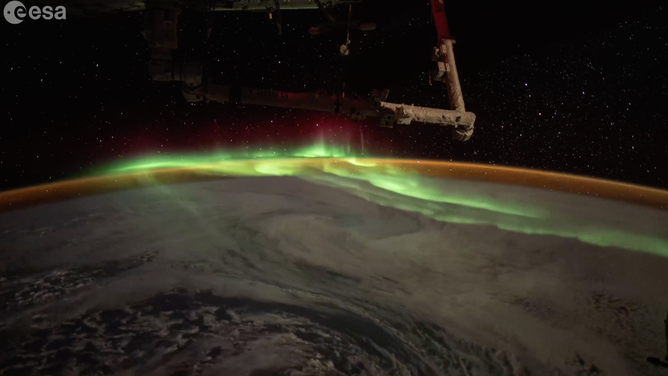
Image 13 of 19FILE: View of the Northern Lights as seen from the International Space Station. (Thomas Pesquet / ESA)
![]() Image 14 of 19
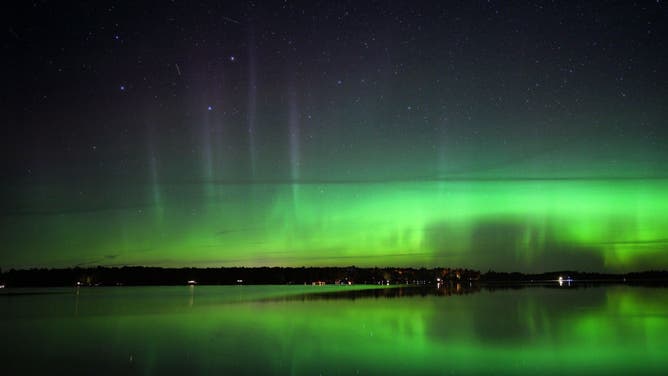
Image 14 of 19CANYON, MN - AUGUST 30: Northern lights are seen in the night sky near Canyon, Minnesota on Friday, August 30, 2019. (Brian Peterson/Star Tribune)
![NWS Anchorage]() Image 15 of 19
Image 15 of 19FILE: Northern lights visible from Anchorage, Alaska (NWS Anchorage)
![]() Image 16 of 19
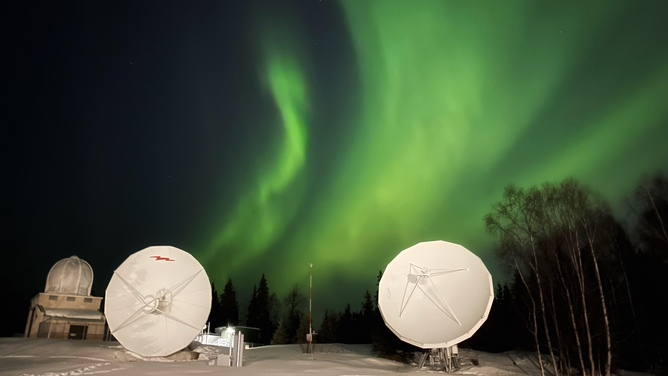
Image 16 of 19Northern Lights over Lapland, Finland on March 13, 2022. (Jasim Sarker / Visit Lapland via Storyful)
![Northern light show fom Calgary, Canada. (Image credit: @YYCStarlights / Twitter)]() Image 17 of 19
Image 17 of 19FILE: Northern light show fom Calgary, Canada. (Image credit: @YYCStarlights / Twitter) ( )
![The northern lights dance over the mountains in Montana.]() Image 18 of 19
Image 18 of 19FILE: The northern lights dance over the mountains in Montana. (Image credit: Josh Arrants) (Josh Arrants)
![The northern lights from Enumclaw, Washington. (Image credit: Jeff Knesebeck)]() Image 19 of 19
Image 19 of 19The northern lights from Enumclaw, Washington. (Image credit: Jeff Knesebeck) ( )
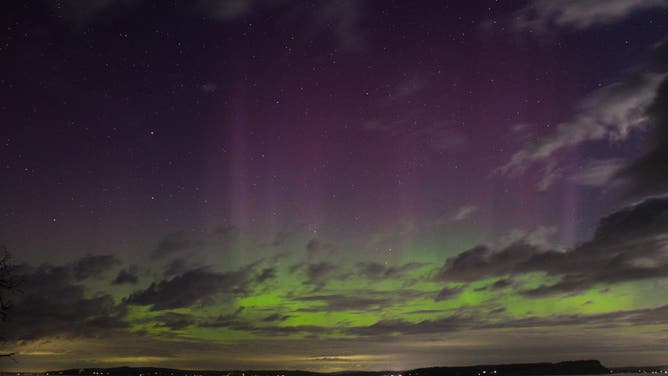

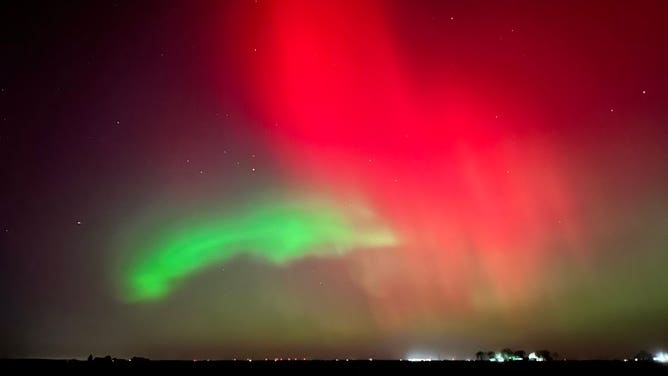
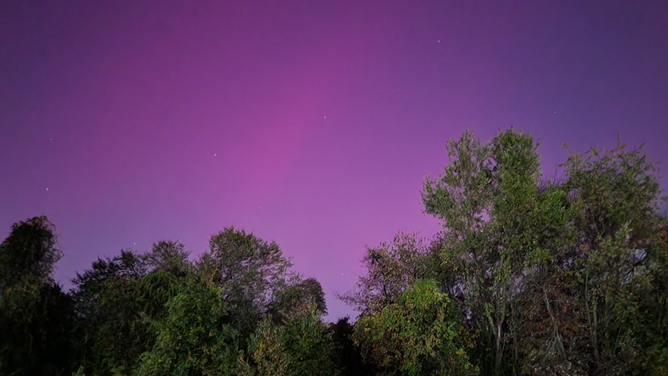
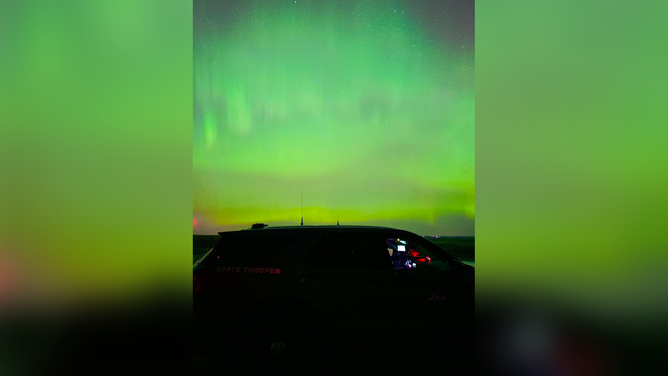
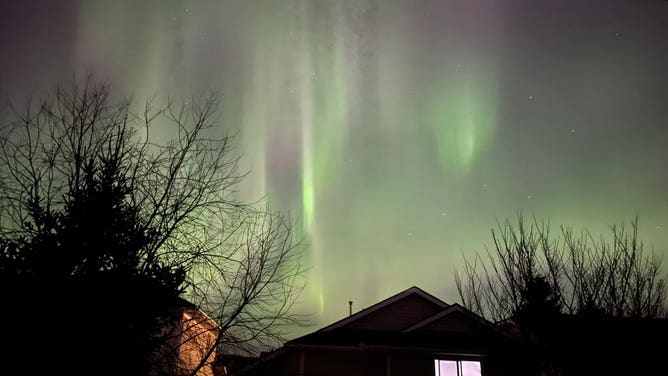
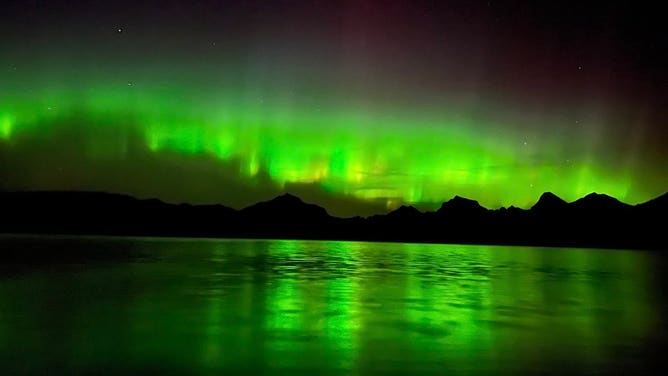
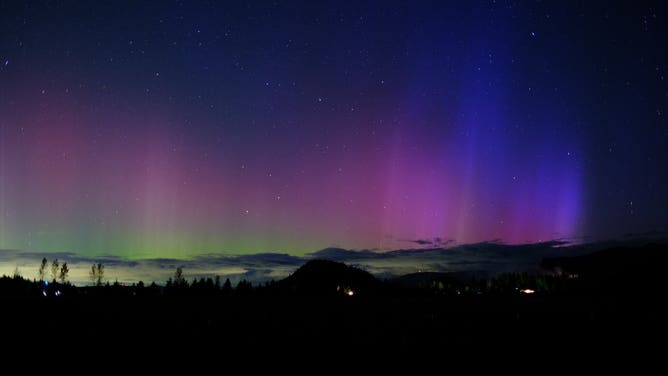
Equinoxes occur just twice a year, and in 2026, they fall on March 20 and September 23.
THE BEST CELESTIAL EVENTS IN 2026 YOU WON'T WANT TO MISS
This year, the spring equinox arrives at 14:46 UTC (10:46 a.m. EDT and 7:46 a.m. PDT) on March 20, marking the exact moment when the sun’s center crosses Earth’s equatorial plane and the official start to astronomical spring.
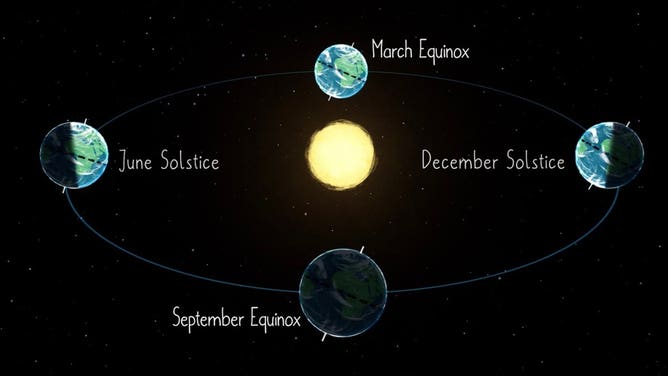
Diagram demonstrating how the tilt of Earth's axis causes variations in sunlight between the Northern and Southern Hemispheres throughout the year. During the equinoxes, the axis is not tilted toward or away from the Sun, resulting in roughly equal sunlight for both hemispheres.
(NASA/JPL-Caltech / NASA)
SEE THE MYSTERIOUS SPIRAL SWIRLING IN ALASKA SKY AMID AURORA BOREALIS
According to Spaceweather.com, retired NASA solar physicist, David Hathaway, conducted a 75-year study that ultimately showed the month of March having more geomagnetically active days than any other month.
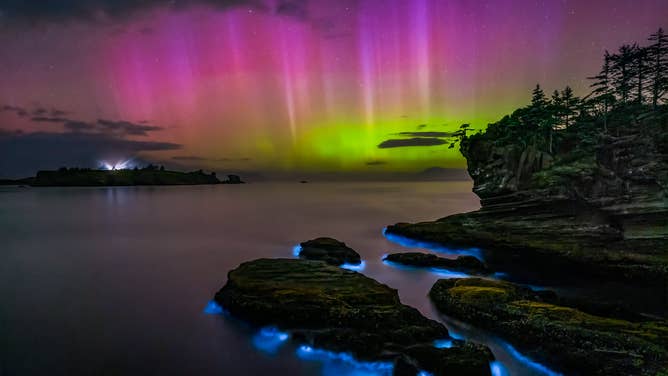
The Northern Lights shine atop a blue glow of bioluminescence at Cape Flattery, Washington on July 25, 2023.
(Mathew Nichols Photography / Facebook / FOX Weather)
"On average, Earth experiences six days of high geomagnetic activity in March, compared to just three in December," Space.com said.
This increased activity contributes to stronger auroras, which is why auroras are often more visible around the spring equinox.
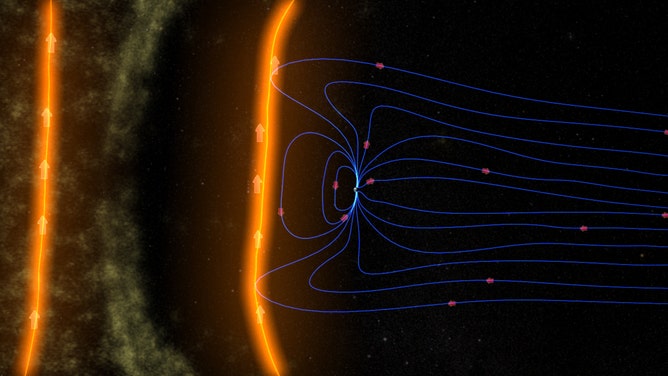
An illustration of Earth's magnetic field shielding our planet from solar particles.
(NASA/GSFC/SVS / NASA)
On March 20, the spring equinox auroras can be best viewed between 10 p.m. and 2 a.m. local time, with ideal viewing in Iceland, northern Norway, Sweden, Finland, Alaska or northern Canada.
ASTRONAUT, SATELLITES CAPTURE BEAUTY OF AURORA BOREALIS FROM SPACE
According to scientists, geomagnetic disturbances occur nearly twice as often in spring and fall as in winter and summer, a pattern explained by the Russell–McPherron effect, proposed in 1973 by geophysicists Christopher Russell and Robert McPherron.
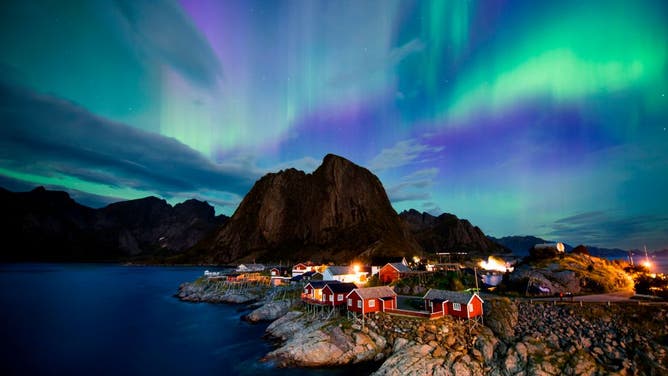
Northern lights (aurora borealis) illuminate the sky over Reinfjorden in Reine, on Lofoten Islands, Arctic Circle, on September 8, 2017.
(Jonathan Nackstrand/AFP / Getty Images)
Russell and McPherron found that geomagnetic activity is influenced by how the sun’s and Earth’s magnetic fields interact, and because Earth’s magnetic field is tilted, it is usually misaligned with the sun’s, causing much of the solar wind to be deflected.
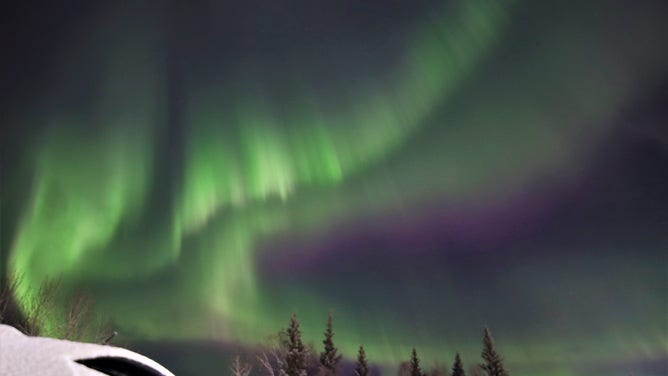
Northern Lights dance over Fairbanks, Alaska on Nov. 3, 2021.
(Rajan Itani / Graduate student, University of Alaska Fairbanks / FOX Weather)
However, around the equinoxes—when day and night are nearly equal and Earth’s tilt aligns with its orbit—the poles are oriented almost perpendicular to the sun’s magnetic field.
This alignment allows more solar wind to reach Earth, producing stronger geomagnetic storms and more vibrant auroras.
MARCH SKYWATCHING GUIDE: CATCH A BLOOD MOON, PLANET CONJUNCTION, AURORAS, AND MORE
From a blood moon to a planetary conjunction, March has been nothing short of a celestial showcase.
And right after the spring equinox auroras, another celestial wonder awaits this month: on March 27, the moon will be in a waxing gibbous phase, approximately 64% illuminated, appearing near Pollux.