

Texas launches new weapon to combat flash flooding following the devastating Texas Hill Country floods
Following the deadly July 2025 floods that killed 135 people, Texas Tech is rolling out new radars and weather stations across the Texas Hill Country.

FILE: 1 year after deadly flooding disaster, Kerr County recounts loss, heartbreak while focusing on recovery
FOX Weather Correspondent Katie Byrne returned to Kerr County, Texas, one year after the Guadalupe River rose more than 20 feet in less than an hour, causing catastrophic damage and killing at least 135 people. The area is showing signs of recovery and progress, while recognizing the heartbreak that occurred there a year before.
THE TAKEAWAY
- Texas is deploying a $24 million weather monitoring and forecasting network across the Hill Country following the deadly July 2025 floods.
- The expansion adds 40 new weather stations, three gap-filling radars, and a high-resolution statewide forecast system powered by Dell Technologies.
- Some equipment is already tracking storms in vulnerable areas like Kerrville, with full deployment expected by fall 2027.
KERRVILLE, Texas – Texas is deploying a $24 million weather monitoring and forecasting network across the Hill Country, a high-tech new weapon against flash flooding state-funded in the wake of the catastrophic July 2025 floods that killed at least 135 people, including 25 young campers at Camp Mystic.
The Texas Prediction System expands Texas Tech University’s West Texas Mesonet and advanced radar capabilities directly into previously vulnerable spots like Kerrville.
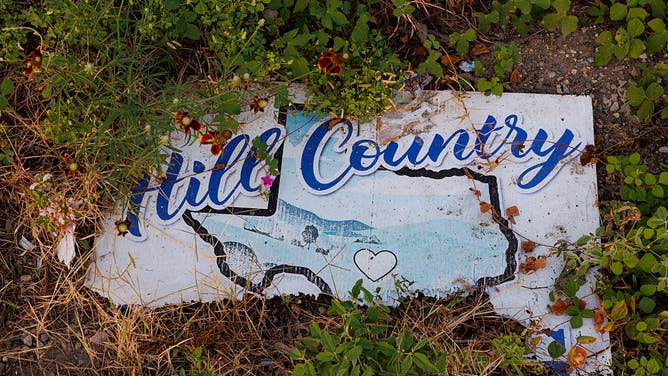
Following the deadly July 4, 2025, floods along the Guadalupe River—one of the 10 deadliest flooding disasters in U.S. history—Gov. Greg Abbott signed Senate Bill 5, allocating $24 million to Texas Tech's National Wind Institute to eliminate observational blind spots and give Hill Country communities earlier warnings during rapidly developing storms.
(Sam Owens/San Antonio Express-News via Getty Images / Getty Images)
The Texas-focused forecasting suite pairs real-time ground observations with supercomputing power, giving meteorologists the critical infrastructure needed to track and predict life-threatening, rapidly developing weather across the Lone Star State.
"The tragedy that occurred here in July 2025 reinforced the importance of having the best information possible when severe weather develops rapidly," Texas Tech President Lawrence Schovanec said.
The Hill Country rollout builds upon a broader vision by Texas Tech’s National Wind Institute (NWI) to create an integrated weather intelligence network—combining surface observations, gap-filling radar, real-time data processing, and high-performance computing.
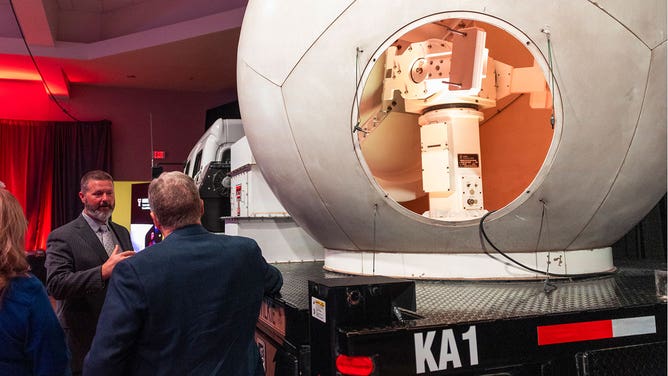
The Texas Prediction System will make Texas the only state in the nation with its own high-resolution ensemble forecasting system tailored specifically to statewide needs.
(Texas Tech Now)
"The goal is to provide Texas with one of the nation's most comprehensive systems for observing and predicting severe and rapidly developing weather," the university stated in a release announcing the system.
Once complete, the Texas Prediction System will make Texas the only state in the nation with its own high-resolution ensemble forecasting system tailored specifically to statewide weather threats.
![]() Image 1 of 6
Dangerous flooding continues to inundate parts of Texas, as heavy rainfall swamped the region. (Jeremy Timmons)
![Uvalde flooding on Thursday, July 16, 2026.]() Image 2 of 6
Uvalde flooding on Thursday, July 16, 2026. (FOX Weather)
![]() Image 3 of 6
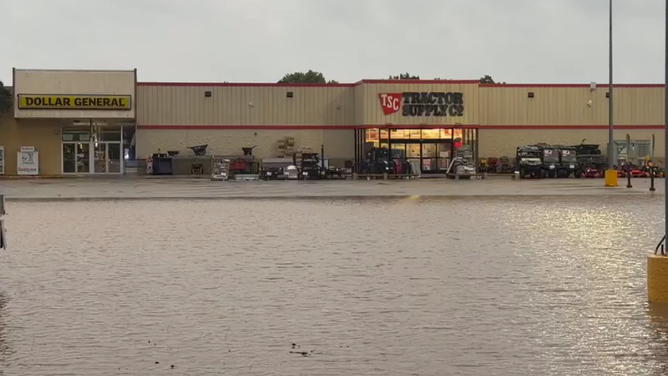
Floodwaters inundate Uvalde, Texas, on Thursday, July 16, 2026. (FOX Weather)
![UVALDE AND CONCAN, TEXAS - JULY 15: A Texas Department of Public Safety vehicle drives through standing water in Uvalde on Wednesday, July 15, 2026.]() Image 4 of 6
A Texas Department of Public Safety vehicle drives through standing water in Uvalde on Wednesday, July 15, 2026. ((Sam Owens/San Antonio Express-News via Getty Images))
![]() Image 5 of 6
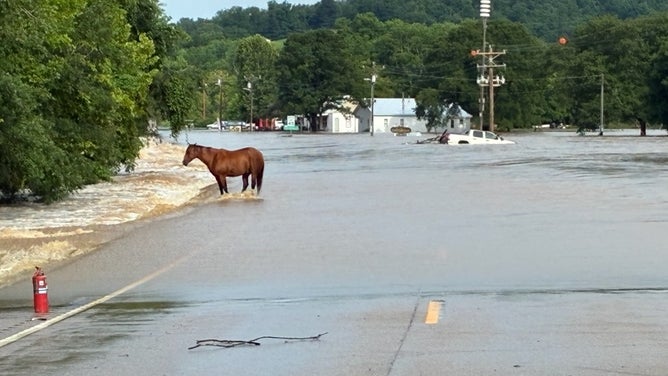
A horse stands in the middle of a flooded road in Lesterville, Missouri during a Flash Flood Emergency on July 10, 2026. (Nicole Spencer, Pacific Fire District Public Relations Officer)
![Cars fall victim to heavy flooding in Tennessee.]() Image 6 of 6
Cars fall victim to heavy flooding in Tennessee. (Karson Taylor Keller / Facebook)



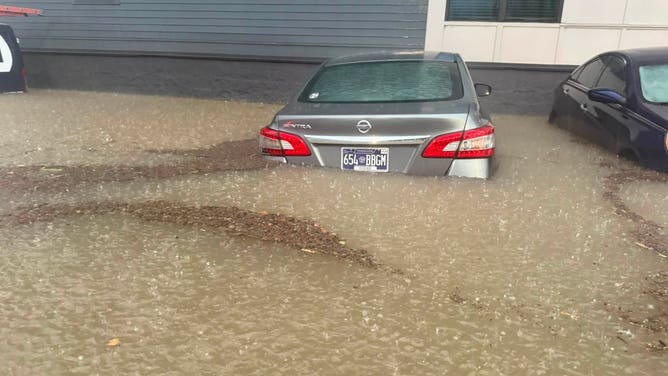
To power the massive influx of data, Texas Tech also announced a collaboration with Dell Technologies to build a high-performance computing cluster. The system's servers, networking, and storage capabilities will allow researchers to run advanced, hyper-local forecast models in real time.
Expanding an established weather network
Operated by Texas Tech’s National Wind Institute, the West Texas Mesonet is a network of automated weather stations delivering real-time meteorological and agricultural data.
First established in 1999, the system currently tracks conditions across Texas, New Mexico, and Colorado, and is slated to grow to more than 200 stations within the next year.
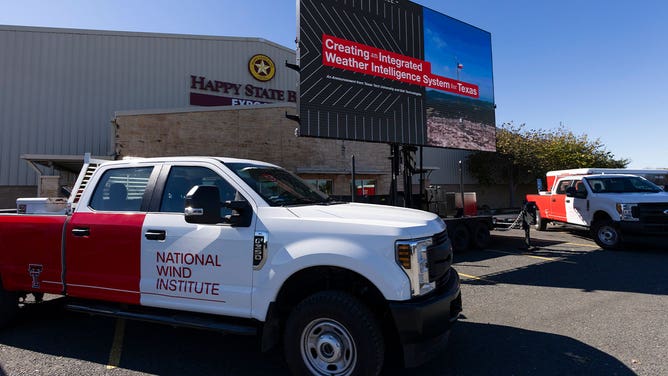
National Wind Institute (NWI) is leading the Hill Country expansion of its West Texas Mesonet network, which will grow to over 200 stations within the next year.
(Texas Tech Now)
The state's $24 million investment pushes this proven technology directly into the rugged Hill Country, where steep terrain and sudden downpours create notorious observational blind spots and extreme flash flood risks.
The expansion adds 40 new mesonet stations to report real-time surface conditions alongside three gap-filling radar systems designed to eliminate low-level blind spots.
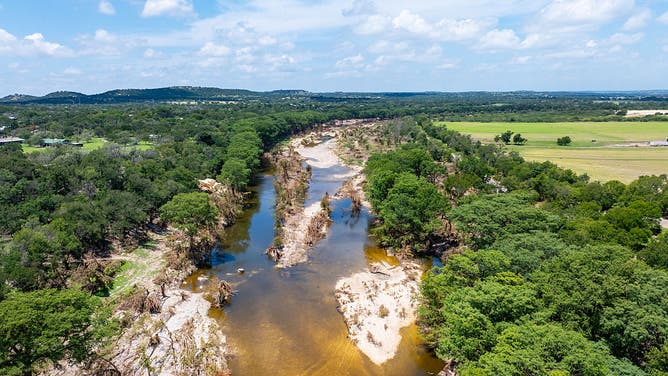
In an aerial view, the Guadalupe River is seen on July 23, 2025 in Center Point, Texas. The number of people reported missing in the Texas Hill Country floods has dropped from 160 people to three after weeks of ongoing searching. More than 135 people have been reported dead after flash floods swept through the area, dumping nearly 15 inches of rain and causing a 22-foot rise along the Guadalupe River.
(Brandon Bell/Getty Images / Getty Images)
It also fully implements the Texas Prediction System, which pairs next-generation tracking devices with a 48-hour, high-resolution ensemble forecast model.
Parts of the new infrastructure are already online and actively tracking storms, with full deployment scheduled for fall 2027.
Remembering the July 4 Kerrville disaster
In a region known as "Flash Flood Alley," disaster can strike without warning—a grim reality underscored during the July 4, 2025, tragedy in Kerrville.
In the early morning hours of Independence Day, the Guadalupe River surged to record-breaking heights, ultimately claiming the lives of at least 135 people.

A riverside memorial in Kerrville, Texas, is steadily becoming a central gathering point for the community to mourn and remember those taken by the floods.
(Katie Byrne / FOX Weather)
BEFORE-AND-AFTER PHOTOS OF CAMP MYSTIC, KERR COUNTY SHOW DEVASTATION
Over just a few hours, relentless torrential rain from the remnants of Tropical Storm Barry triggered catastrophic river rises and urgent Flash Flood Emergencies across Kerr County and surrounding communities.
Hundreds of people were swept away as the Guadalupe River violently overflowed its banks, destroying homes, washing away vehicles, and inundating riverside campgrounds—including the historic all-girls camp, Camp Mystic.

Floodwaters left debris including vehicles and equipment scattered in Louise Hays Park on July 5, 2025 in Kerrville, Texas.
(Eric Vryn/Getty Images / Getty Images)
At Camp Mystic, a frantic search for more than two dozen missing girls turned into a heartbreaking recovery mission.
In total, 28 lives connected to the camp were lost, including 25 campers ages 8 to 10, two 18-year-old counselors, and the camp's co-executive director.