

The hidden side effects of Super El Niño that go far beyond the weather
By warming the Pacific, El Niño brings changes in ocean currents, weakens trade winds and moves rain around the planet. These changes can cause a cascade of unpredictable effects on ecosystems, and sometimes you'll see them in the strangest ways.
What Super El Niño could mean for the US
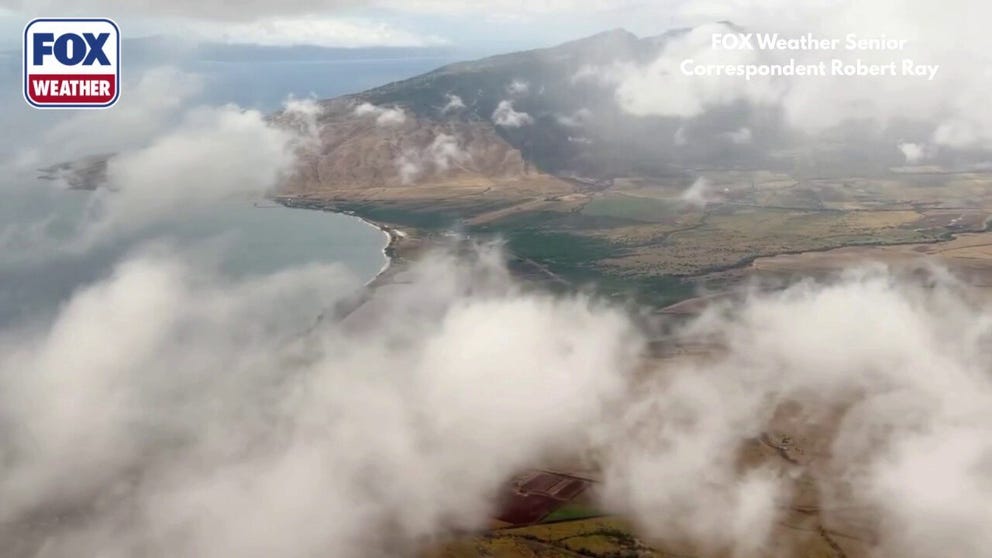
SUPER EL NIÑO UNCERTAINTY: The Climate Prediction Center has officially declared "Super El Niño" status as we head into winter. Super El Niño's impacts can reach from coast to coast, as we've seen in years past. FOX Weather Senior Correspondent Robert Ray breaks down what this intensifying Super El Niño could bring for the season ahead.
When most people hear El Niño, they picture a stormy, soggy winter in California. In reality, the famous climate pattern reaches far beyond a forecast.
By warming the Pacific, El Niño brings changes in ocean currents, weakens trade winds and moves rain around the planet. These changes can cause a cascade of unpredictable effects on ecosystems, and sometimes you'll see them in the strangest ways, or by washing up on the beach.
SUPER EL NIÑO DECLARED AS FORECASTERS WARN OF MAJOR SHIFTS IN WEATHER DURING WINTER SEASON
This year is on track to have high odds of one of the strongest El Niños on record. Last week, NOAA's Climate Prediction Center announced that the 2026 El Niño has officially reached Super El Niño status.
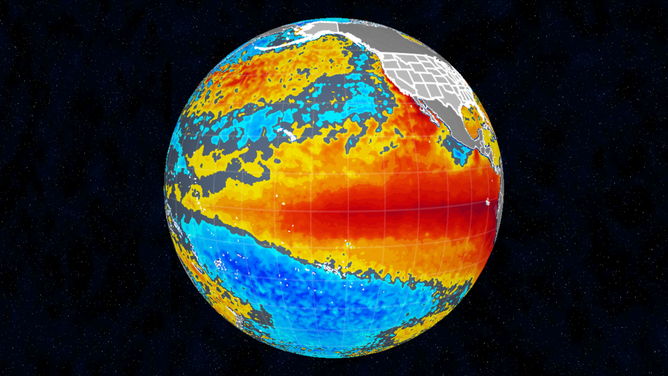
Super El Niño conditions in the equatorial Pacific as of Nov. 11, 2026.
(FOX Weather)
In its Oct. 8 update, NOAA’s Climate Prediction Center put the odds at 83% that this season will top every El Niño since 1950. Still, even a record-strength El Niño doesn’t guarantee its typical impacts, raising the possibility of an unusual combination of weather patterns.
NASA SATELLITES REVEAL STRIKING OCEAN COLOR CHANGE AS SUPER EL NIÑO STRENGTHENS
Here are five of El Niño’s strangest possible side effects:
A super bloom in the driest desert
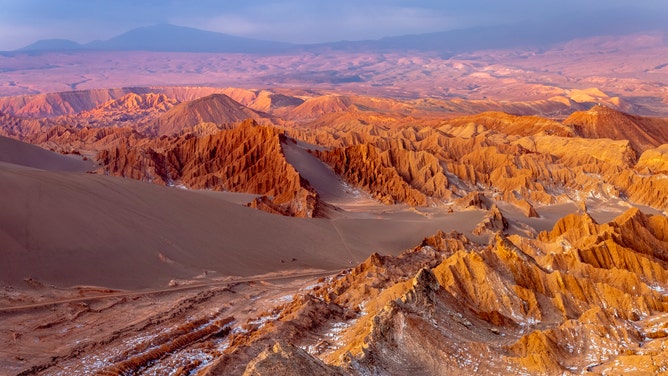
Moon Valley, Valle de la Luna at peaceful sunset, Atacama desert, Chile, South America
(agustavop)
Chile’s Atacama Desert is known as the driest non-polar desert on Earth. But in El Niño years, it can cause rain to dump record totals, waking up seeds that have been dormant for years.
The result is a phenomenon called "Desierto Florido" translating to flowering deserts, with more than 200 plant species carpeting the ground in a colorful array of flowers. This year, Chile’s forest service, CONAF, estimated roughly 6,563 square miles were covered; the biggest since 1997.
SUPER EL NIÑO FUELED WINTER COULD UNLEASH MORE STORMS, DRIVING MORE ACTIVE PATTERN INTO THE SOUTH
Millions of tiny red crabs invade the Pacific coast
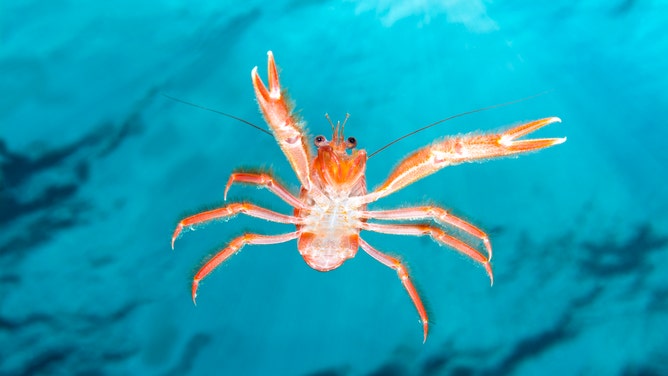
A small tuna crab brought to California by El Nino currents swims in mid water staring at my camera against a blue background of clear water and sunshine.
(joebelanger / Getty Images)
Pelagic rec crabs, commonly known as tuna crabs, typically reside off of Baja California. The small, thumb-sized crabs aren’t the best swimmers, so when El Niño stirs strong unusual moving currents, they ride along by the millions.
In warm water years, they paint beaches red by miles, reaching from San Diego to Monterey Bay. And in a record year, 2017, they even reached as far as Oregon.
SUPER EL NIÑO THEN AND NOW: HOW THIS YEAR'S STRENGTHENING EVENT COMPARES TO HISTORIC EXTREMES
Unfortunately, their trip is one way, since the crabs can’t survive in the cooler water. They die and wash up on the shores, becoming a feast for local seagulls.
Galápagos penguins go hungry
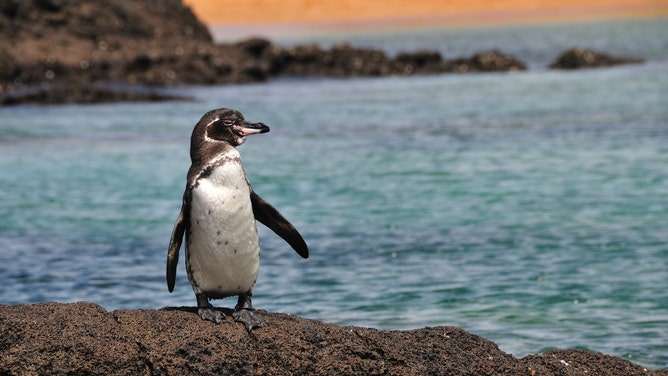
(jmmf / Getty Images)
The Galápagos penguins are the only species of penguins that live on the equator. Their survival depends on the cold, nutrient-rich current that wells up on the west side of Isla Isabella.
Unfortunately, El Niño causes a weakening in the trade winds that fuel crucial upwelling, causing a collapse in the food chain. Following the 1997-98 El Niño, a University of Oxford-led study documented a 65% decline in the population.
Sea turtles nesting on the West Coast
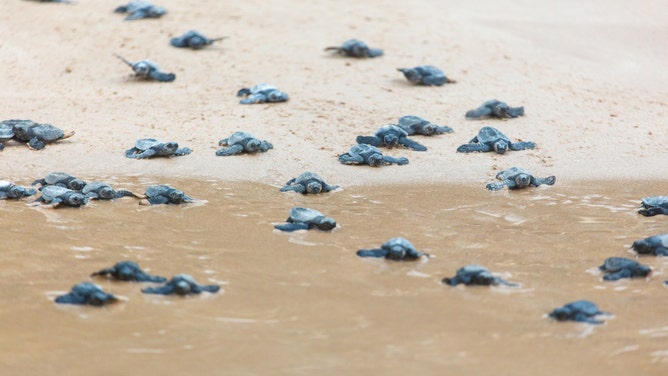
The turtles hatch from their eggs and crawl along the sand towards the ocean.
(schankz / Getty Images)
Historically, sea turtles have never been recorded nesting on the West Coast, up until this September. On Sept. 16, an Olive Ridley sea turtle laid eggs on beaches in Orange County, California, according to NOAA Fisheries. Just a few days later, a second turtle was recorded on Huntington Beach.
SUPER EL NIÑO COULD BE SHORT-LIVED AS MAJOR WEATHER PATTERN SHIFT BRINGS LA NIÑA INTO FOCUS
Olive Ridleys typically nest farther south, with the nearest known nesting sites in Mexico’s Baja California. However, scientists speculate that warm water from marine heat waves, amplified by the incoming El Niño conditions, may be allowing them to go further north, creating unusual nesting spots.
An unfortunate boost for mosquitoes
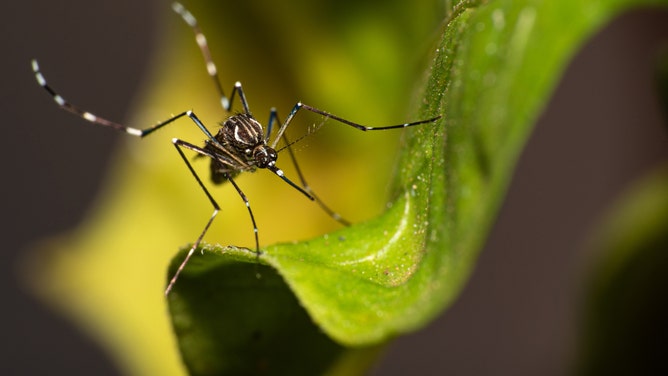
Aedes aegypti mosquito that transmits Dengue in Brazil perched on a leaf, macro photography, selective focus
(Milton Rodney Buzon / Getty Images)
The last strong El Niño, in 2015-16, was followed by a spike in disease in four continents, including Brazil’s worst dengue year since 2000, according to a NASA study. Hotter weather pushed the mosquitoes into cities, causing an increase in bites.
Florida is already on pace for a large dengue year, with more than 400 local dengue cases reported in Hillsborough County as of mid-October, according to the state's health department. Historically, that is more than double the state’s previous high.
SEE IT: TWIN WATERSPOUTS STUN ONLOOKERS IN ‘END-OF-WORLD’ SCENE ALONG SAN FRANCISCO WATERFRONT
Officials blame the high increase in cases on summer droughts, followed by a heavy, wet August. However, experts worry that El Niño’s typical wet, mild Florida winter weather could create a perfect environment to allow mosquitoes to thrive longer than usual.
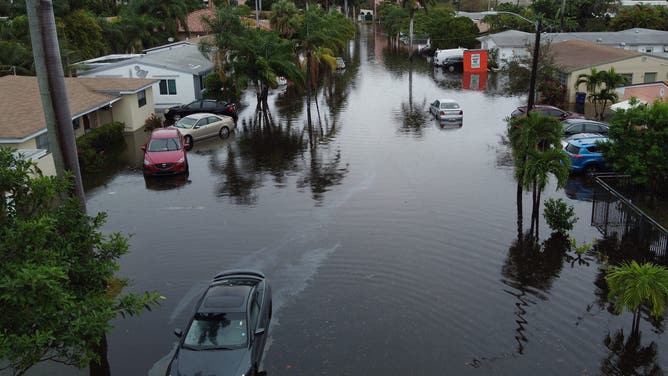
HALLANDALE, FLORIDA - DECEMBER 23: An aerial view from a drone shows a street inundated with flood water on December 23, 2019 in Hallandale, Florida.
(Joe Raedle / Getty Images)
"If we do have an excessively wet winter, that is going to continue to allow mosquito production to occur at a higher level," Adriane Rogers, director of the Pasco County Mosquito Control District, told local news outlet WUSF.
WATCH: SANTA FE ROCKED BY FIRST TORNADO IN 50 YEARS AS RARE TWISTER LEAVES BEHIND WIDESPREAD DAMAGE
The main impact is yet to come
El Niño usually peaks in winter, and NOAA expects this season to stay strong now through March. The storms are still brewing, but the unique side effects have already started.