

Hurricane Isaias churns in Gulf as oil rigs prepare for potentially dangerous conditions
Hurricane Isaias is expected to intensify as it barrels toward Louisiana and Mississippi, where many oil rigs are located.
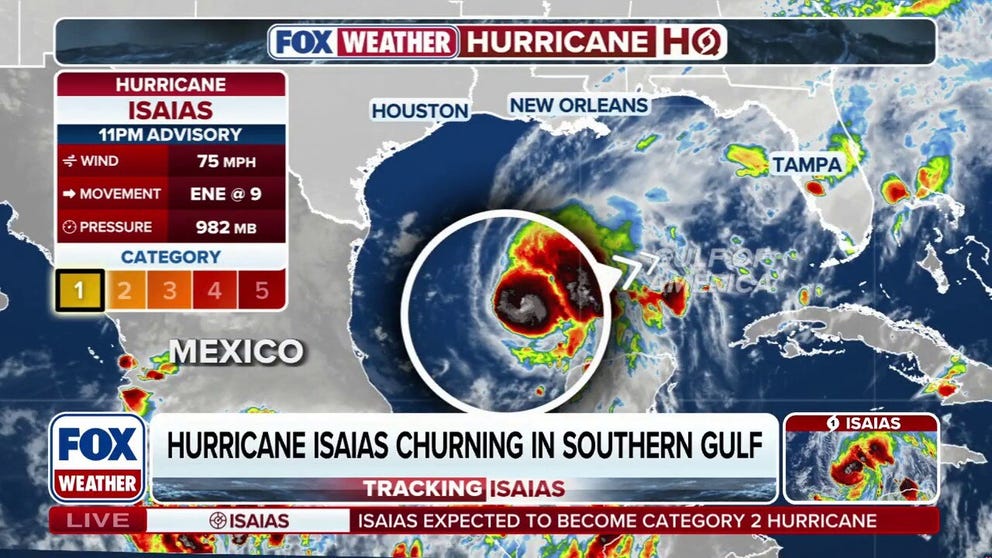
Hurricane Isaias becomes first hurricane of the Atlantic season
Hurricane Isaias has formed in the Gulf, becoming the first Atlantic hurricane of the season and is forecast to make landfall along the northern Gulf Coast later this week.
THE TAKEAWAY
- The Marine Minerals Administration (MMA) is monitoring offshore oil and gas operators as they prepare for Hurricane Isaias.
- MMA said it will work with offshore operators and other state and federal agencies.
- Shell and Chevron announced Wednesday that they were reducing offshore operations in the Gulf as the storm approached the region.
Numerous oil and gas companies are monitoring offshore operations in the Gulf of America as Hurricane Isaias develops.
Shell and Chevron announced Wednesday that they were reducing offshore operations in the Gulf as the storm approached the region.
Shell said it was evacuating all personnel and shutting in production at five rigs, while Chevron said it had begun shut-in procedures at four facilities.
This comes as forecasters say the system is expected to intensify into the dangerous Hurricane Isaias and barrel toward Louisiana and Mississippi, where many oil rigs are located.
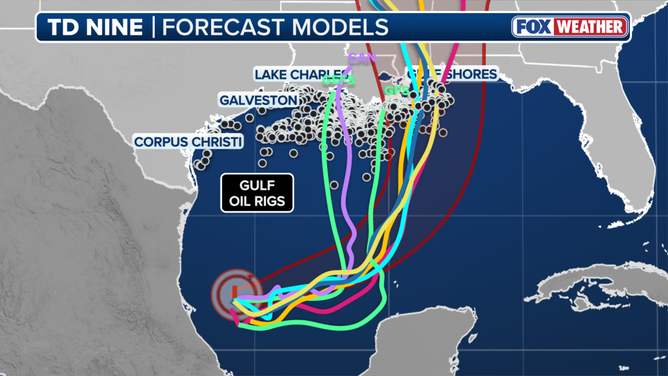
Numerous oil and gas companies are monitoring offshore operations in the Gulf of America as Hurricane Isaias churns.
(FOX Weather / FOX Weather)
The Marine Minerals Administration (MMA) said they are monitoring offshore oil and gas operators as they prepare for the storm.
MMA said it will work with offshore operators and other state and federal agencies until operations return to normal and the storm is no longer a threat to Gulf’s oil and gas activities.
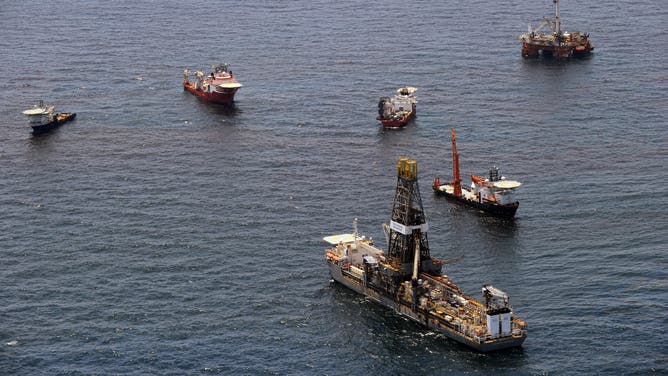
Aerial view of the Discoverer Enterprise deepwater drillship.
(MARK RALSTON/AFP / Getty Images)
So far, personnel have been evacuated from eight production platforms and two non-dynamically positioned rigs, while one dynamically positioned rig has been moved from its location.
Shut-in procedures have already begun as well. This involves closing safety valves located below the surface of the ocean floor to prevent the release of oil or gas to help protect workers and the environment.
Once the storm passes, facilities will be inspected for damage before operations resume.
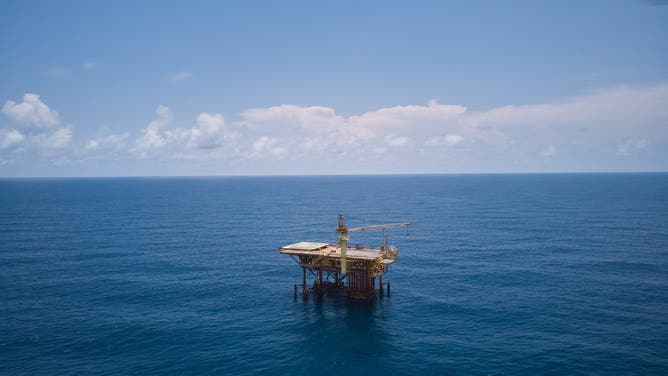
An oil platform in the Gulf of America.
(Mauricio Palos/Bloomberg / Getty Images)
This type of response is typical when a hurricane threatens oil and gas operations in the Gulf of America.
During Hurricane Ida in 2021, for example, 279 platforms and 11 rigs were evacuated at one point, while more than 90% of Gulf oil production was temporarily shut down, according to the Bureau of Safety and Environmental Enforcement.