

Celebrating weather history: How fog helped George Washington save American independence
Historians have since called it one of the most fortunate weather events in American history.
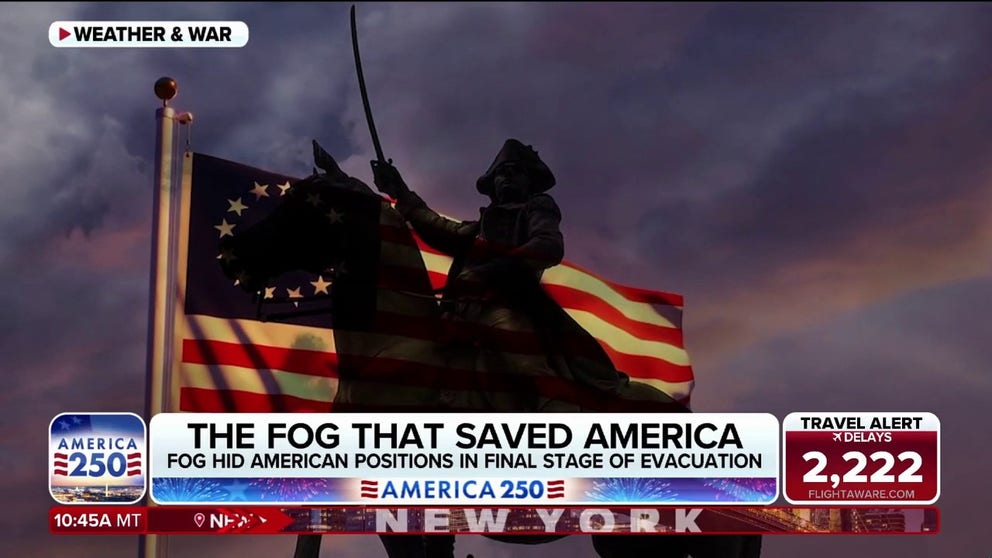
The fog that changed American history
Most Americans know the U.S. became a country on July 4, 1776. But what many don’t realize, is that the American Revolution nearly ended just two months later, before a dense fog helped save the Continental Army. FOX Weather Senior Correspondent Robert Ray is in Brooklyn, New York, with more.
The Declaration of Independence was adopted on July 4, 1776, marking the birth of the U.S.
But less than two months later, the American Revolution nearly ended before it had truly begun. Trapped by British forces in Brooklyn, General George Washington's Continental Army faced almost certain defeat.
It was an unlikely combination of light winds and a dense fog that helped save the American army and perhaps the future of the nation itself. Historians have since called it one of the most fortunate weather events in American history.
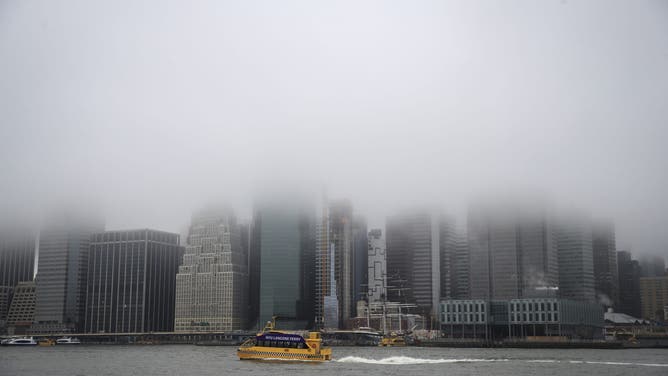
A dense fog blankets the East River in New York City.
(Drew Angerer/Getty Images / Getty Images)
"It really is amazing, this story with George Washington and his 9,000 Continental troops that escaped Brooklyn to Manhattan under the cover of fog in the aftermath of a nor'easter, leaving the British troops to wonder, 'What the heck just happened?'" FOX Weather Senior Correspondent Robert Ray said.
During the Revolutionary War, Washington anticipated that New York would be the next target for the British. He moved roughly 19,000 Continental soldiers into the city, strengthened defenses around New York Harbor and fortified Brooklyn Heights across the East River.
WHAT WAS THE WEATHER LIKE ON THE FIRST EVER INDEPENDENCE DAY IN 1776?
In early July, the British arrived with an overwhelming force. Historians estimate the fleet included about 400 ships carrying roughly 32,000 troops under the command of General William Howe.
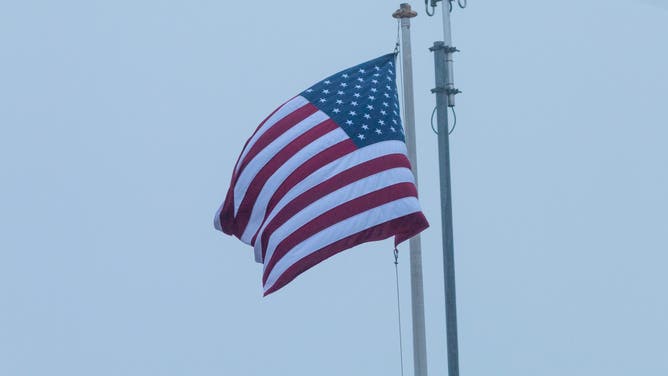
The US flag flies high in the sky during a thick fog.
(Kristian Tuxen Ladegaard Berg/NurPhoto via Getty Images / Getty Images)
On Aug. 27, the British launched a devastating three-pronged assault. While Hessian and British troops attacked from the front, Howe secretly led about 10,000 soldiers through the lightly defended Jamaica Pass, outflanking the American defenses. The maneuver caught the Continental Army by surprise.
By the end of the day, nearly 9,000 American soldiers were trapped in Brooklyn Heights with the East River behind them. The British expected Washington to surrender.
"Many believed the Revolution was over before it had truly begun," Ray said. "But then the weather changed."
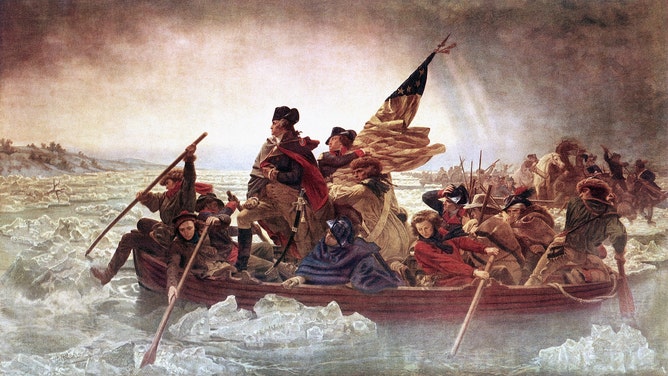
Continental Army quietly crossed the East River under cover of darkness while campfires were left burning, wagon wheels were muffled, and strict silence was enforced to conceal the evacuation.
(Getty Images)
During the night of Aug. 29 into the morning of Aug. 30, light winds prevented the British troops moving from position and a dense fog became so thick that eyewitnesses said they could barely see a few yards away.
This allowed fishermen and sailors to quietly transport thousands of Continental soldiers across the river to Manhattan in one of the largest and most dangerous military evacuations in American history.
"The thick blanket concealed Washington's final troops from British lookouts, just a few hundred yards away," Ray said. "And by the time the fog lifted, the Americans were gone."
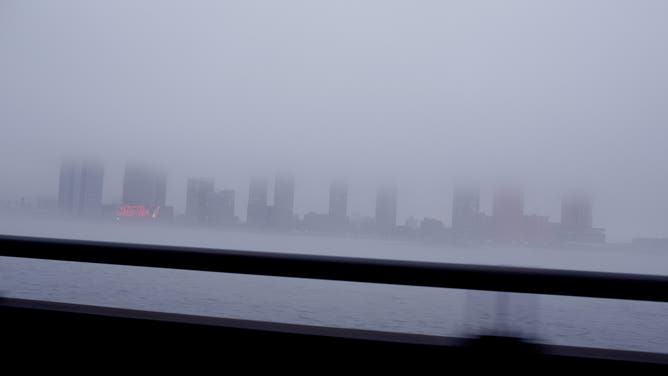
A dense fog covers the Queens skyline, as seen across the East River from the FDR Drive.
(Andrew Lichtenstein/Corbis via Getty Images)
Historians say Washington was among the last to leave Brooklyn.
WOOL UNIFORMS AND EXTREME HEAT: A FIRSTHAND ACCOUNT OF WEATHER DURING THE BATTLE OF GETTYSBURG
Although the evacuation did not win the Battle of Brooklyn, it did, however, save the Continental Army, giving them a chance to continue the fight. The army would go on to victories at Trenton, Princeton, Saratoga and, ultimately, Yorktown, winning American independence.
"The fight for independence continued, all because the army escaped," Ray said. "The weather refused to cooperate with the British."