

Here are the different ashfall alerts that could be issued during volcanic activity
These alerts are issued when volcanic eruptions pose danger to residents.
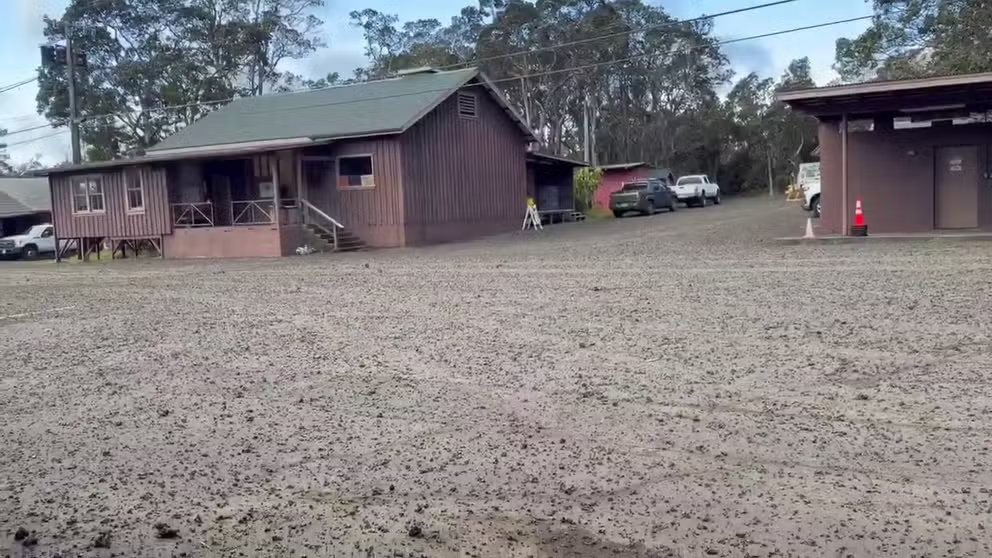
Watch: Tephra buries communities during Hawaii's Kīlauea Volcano eruption
The well-known Mount Kīlauea Volcano erupted for the 43rd time on Tuesday in Hawaii. Kilauea latest eruption shot lava 1,300 feet in the air and tephra fell in nearby communities.
Hawaii Island’s Kīlauea Volcano erupted for the 43rd time on March 10, spewing lava up to 1,300 feet into the air and sending plumes of smoke more than 30,000 feet above sea level.
PERSON DIES AFTER GOING IN CLOSED-OFF AREA OF KILAUEA VOLCANO IN HAWAII NATIONAL PARK
The explosion was so significant that tephra, a general term for fragments of volcanic rock, was reported falling across the park and in nearby communities. Some of the tephra measured up to five inches in size.
By the end of the eruption episode, about 16 million cubic yards of lava had covered half of the floor of Halemaʻumaʻu crater.
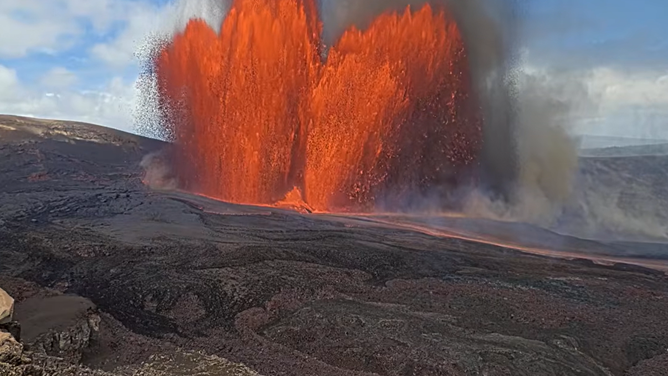
Large volcanic eruption at Mount Kīlauea in Hawaii Volcano National Park on Tuesday.
(United States Geological Survey)
During the volcanic activity, the National Weather Service (NWS) issued an Ashfall Warning due to the ashfall accumulation and light winds spreading tephra through nearby communities.
Ashfall Warnings are extremely rare and are typically issued only when a volcano is undergoing a major eruption that could significantly impact the public. This includes situations where ashfall accumulation reaches one-quarter inch or more, or when significant volcanic debris, lava flows or lahar flows pose a hazard.
This most recent episode was the second time that an Ashfall Warning was issued for the Kilauea Volcano. The first one was issued this past January.
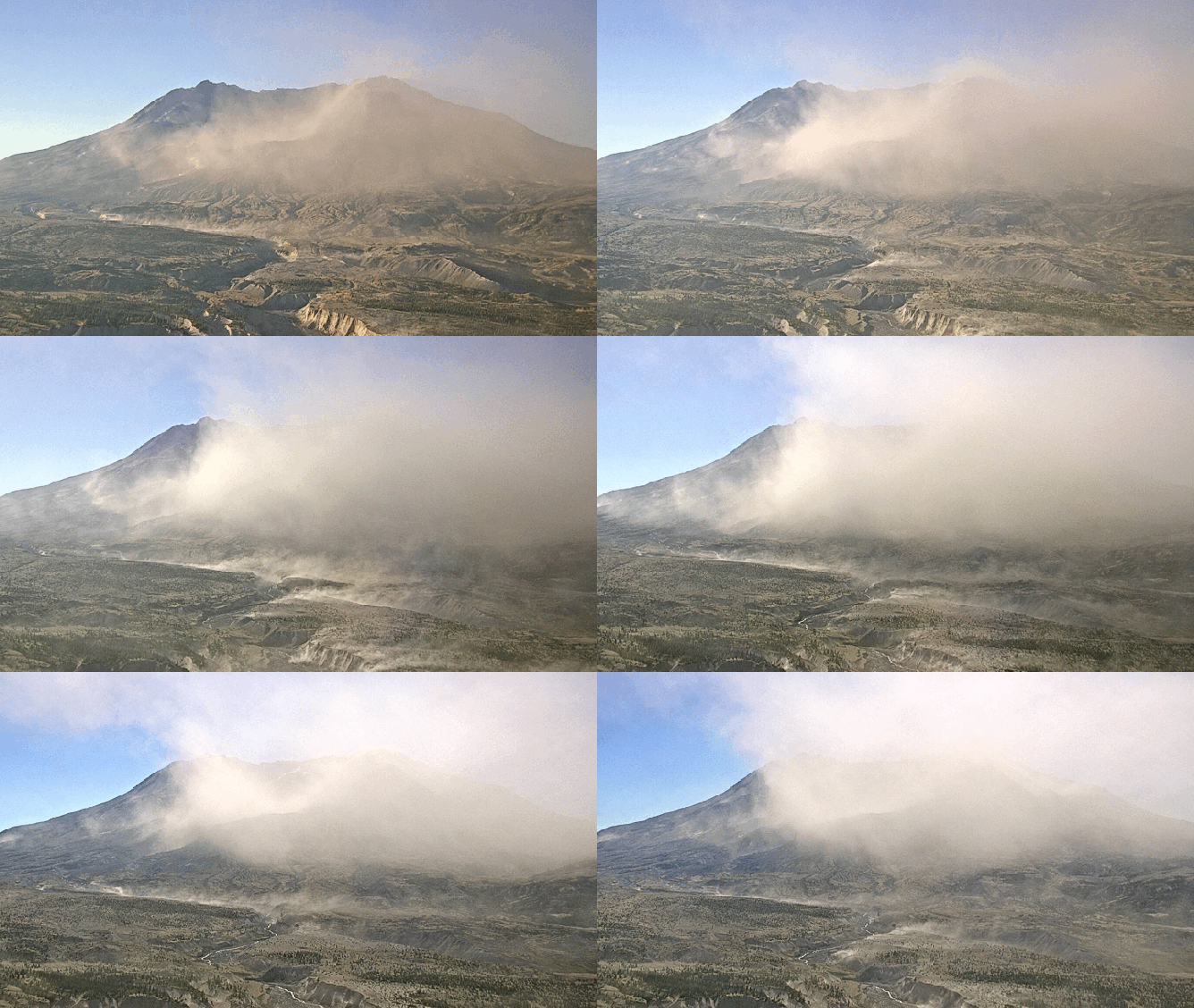
Ash blown around the top of Mt. St. Helens on Sept. 16, 2025.
(USGS / FOX Weather)
According to the FOX Forecast Center, there are other ashfall alerts that may also be issued when volcanic eruptions pose danger to residents.
One alert is an Ashfall Advisory, which is issued when a volcano is undergoing a minor eruption where the public will be affected by a limited hazard extent, such as less than one quarter inch of ashfall accumulation.
HERE'S HOW AI HELPED RESEARCHERS DISCOVER THOUSANDS OF MINI EARTHQUAKES BENEATH YELLOWSTONE
Ashfall advisories are more common, with one being issued in February, two being issued in January and before that, in November 2022 and May 2018 for Kilauea activity.
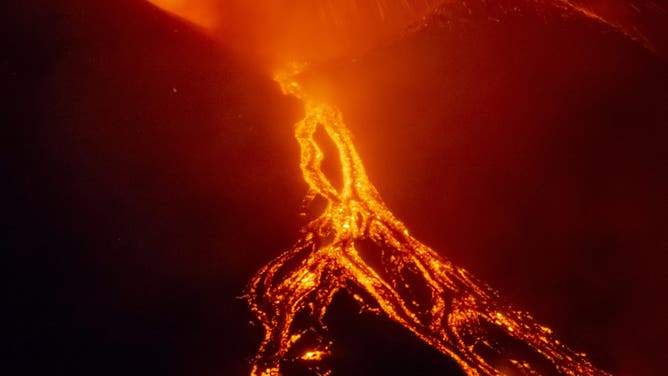
Mount Etna volcano once again starts to spew out ash and lava in Zafferana Etnea near Catania, Italy on April 19, 2025. Beginning at 7:30 p.m. on the evening of April 18, Etna erupted again with intense Strombolian activity from the southeast crater.
(Salvatore Allegra/Anadolu / Getty Images)
Another alert is an Ashfall Statement. This alert is issued when the ash plume from an eruption rapidly diminishes and only trace amounts of ashfall are expected to affect the public.
Ashfall statements are also very rare and have been issued only a few times in modern records.
Overall, these alerts are issued to protect the public from any danger that volcanic activity may cause.