

Blizzards: What are they and when do they occur?
Blizzards are known to be dangerous winter storms that cause blowing snow and strong winds, resulting in very low visibility.
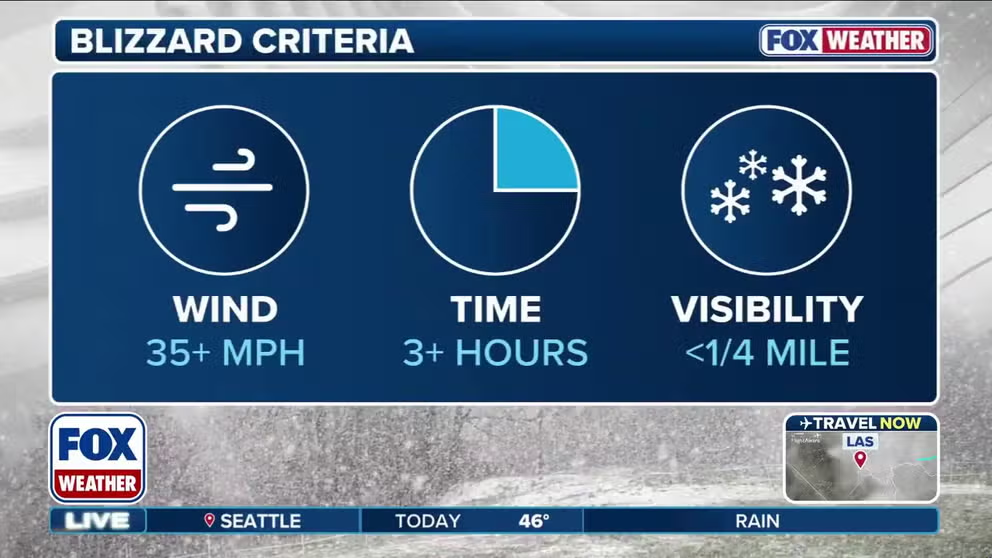
What constitutes a blizzard?
Blizzards are known to be dangerous winter storms that cause blowing snow and strong winds, resulting in very low visibility. They often occur in the Midwest and Great Plains since those areas have very few trees or obstructions to reduce the wind and blowing snow.
It’s officially winter and cities across the U.S. are bound to experience blizzard conditions sometime this season.
Blizzards are known to be dangerous winter storms that cause blowing snow and strong winds, resulting in very low visibility.
While heavy snow and severe cold temperatures are often part of blizzard conditions, they are not required. A blizzard is achieved when winds are at 35 mph or higher for three or more hours with visibility less than a quarter of a mile.
BLIZZARD CONDITIONS LEAD TO NEAR-ZERO VISIBILITY IN MINNESOTA
At times, the strong winds that are part of a blizzard will pick up already fallen snow, creating a ground blizzard. This can create whiteout conditions.
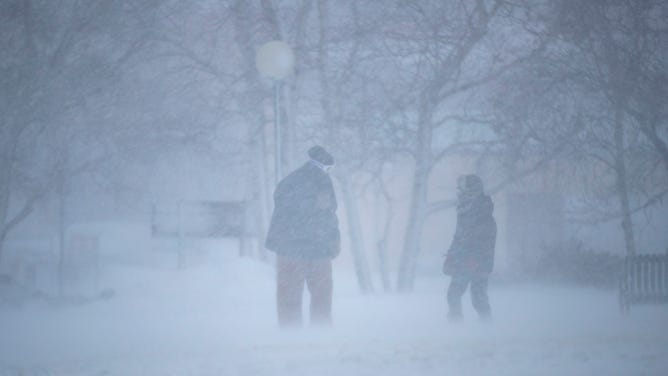
FILE - Two people pushed through the snow and wind in Canal Park in Duluth, MN to check out the waves and severe flooding during the snow storm on Saturday November 30, 2019.
(Alex Kormann/Star Tribune / Getty Images)
The term blizzard was developed in the 1870s by an Iowa newspaper describing a snowstorm. Previously, the word was used to refer to canon shot or a volley of musket fire.
By the 1880s, the term was commonly utilized to describe the weather event across the U.S. and England.
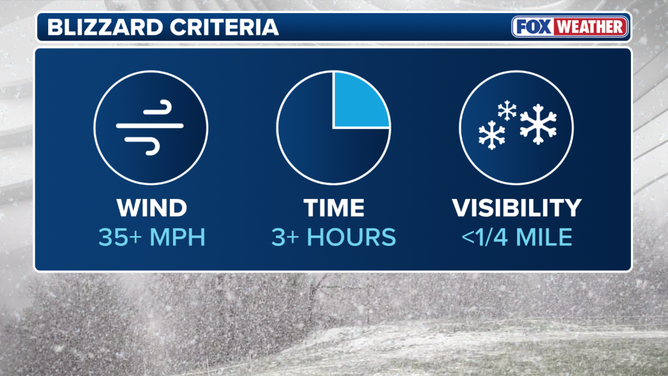
The criteria for a blizzard.
(FOX Weather)
According to the National Weather Service (NWS), blizzards often develop on the northwest side of an intense storm system. The lower pressure in the storm and the higher pressure to the west form a tight pressure gradient or a difference in pressure between two locations, resulting in extremely strong winds.
These strong winds can produce life-threatening conditions, which is what makes blizzards so dangerous.
It is recommended that during these storms to avoid driving since it can become difficult or even impossible due to the whiteout conditions or drifting snow.
RECAPPING THE COAST-TO-COAST STORM THAT BROUGHT GUSTY WINDS, BLIZZARD CONDITIONS, FIRE THREAT
The combination of strong winds and cold temperatures can also be dangerous as well. These two factors can create below freezing wind chills which can lead to someone freezing to death.
These storms can also cause power outages, fuel sources to be cut off and pipes freezing.
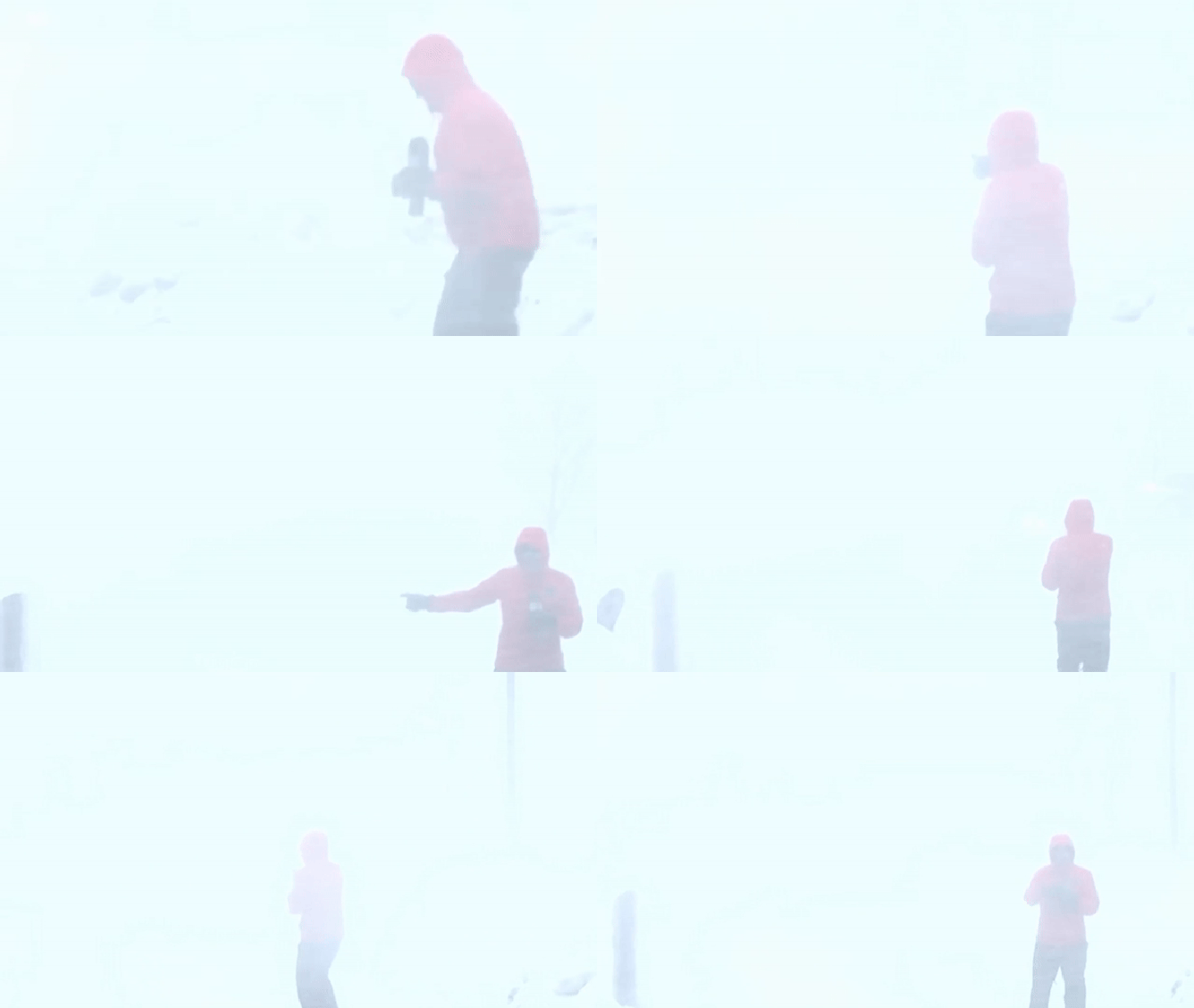
FOX Weather Correspondent Robert Ray reports live from a snowy Erie, Pennsylvania, where another round of heavy snow and strong winds are coming Thursday.
(FOX Weather)
Blizzards often occur in the Midwest and Great Plains since those areas have very few trees or obstructions to reduce the wind and blowing snow. But blizzards can happen in any location that has a climate that produces snow.
Eastern North Dakota, Northern South Dakota and portions of Northern Minnesota experience blizzards the most.
The Dakotas typically see blizzard events between December and January, but there have been reports of storms happening in April. In Minnesota, blizzards happen between December and February.