

Hawaii's Kilauea erupts for 53rd time in less than 2 years, sends smoke plume soaring 18,000 feet into the sky
Kilauea is one of the world's most active volcanoes and this is its 53rd eruptive episode since December 23, 2024.
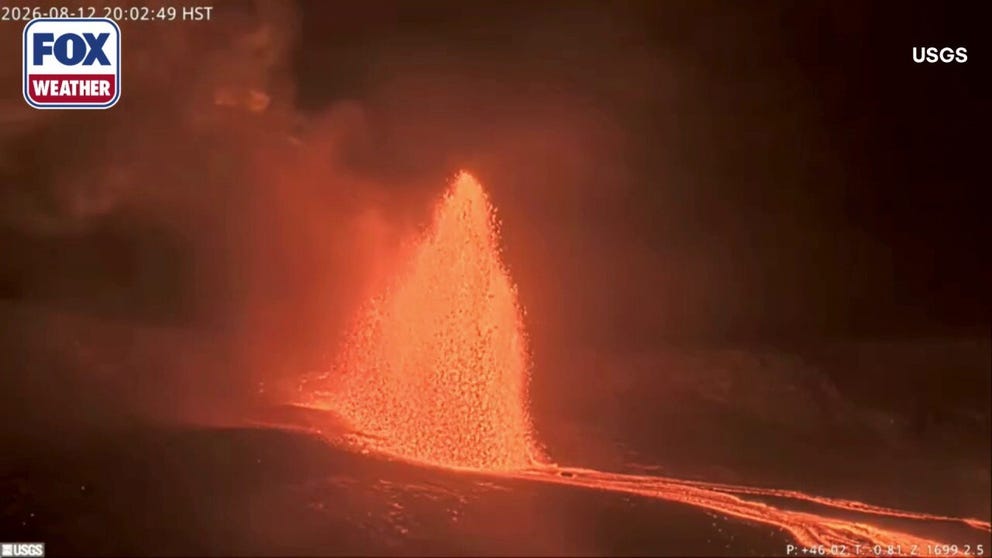
Kīlauea has 53rd eruptive episode
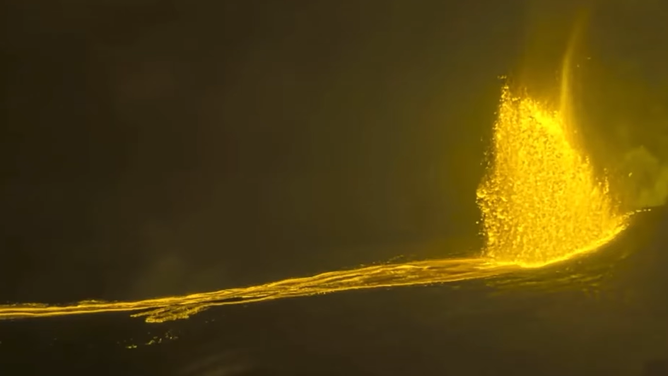
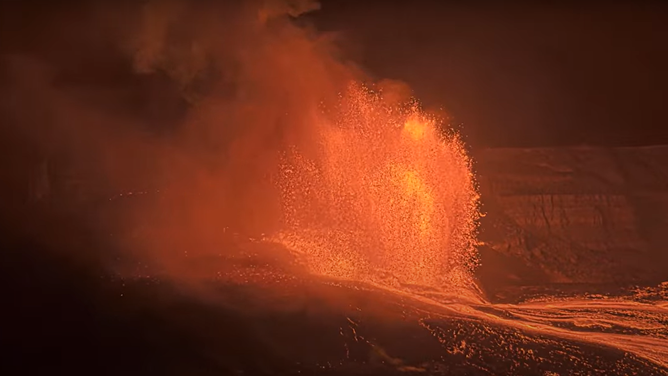
Hawaii's Kīlauea is experiencing another eruption episode - its 53rd since December 23, 2024. The episode sent fountains of lava soaring into the air, reaching about 500 feet high.
THE TAKEAWAY
• Hawaii's Kilauea erupts for the 53rd time since December 23, 2024.
• Volcanic gas can impact people with respiratory issues
• Kilauea last erupted on July 29
HAWAII VOLCANOES NATIONAL PARK — Hawaii's Kilauea volcano erupted once again at 3:30 p.m. local time Thursday, according to USGS. Kilauea is one of the world's most active volcanoes and this is its 53rd eruptive episode since December 23, 2024.
Lava fountains peaked at 500 feet and the ash plume from the eruption reached over 18,000 feet above sea level.
![Kilauea's 53rd eruptive episode on Aug. 12, 2026.]() Image 1 of 7
Image 1 of 7Kilauea's 53rd eruptive episode on Aug. 12, 2026. (USGS)
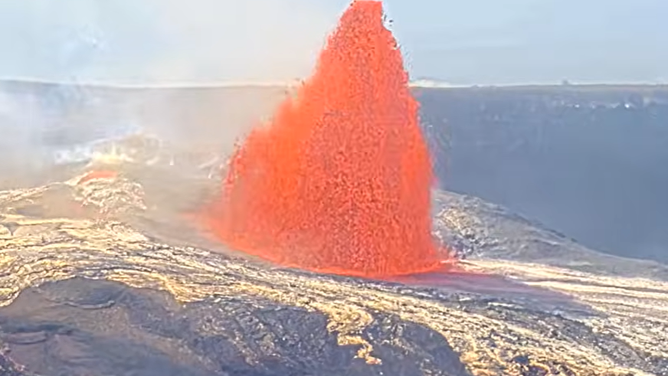
![Kilauea's 52 eruptive episode on Jul 28, 2026.]() Image 2 of 7
Image 2 of 7Kilauea's 52 eruptive episode on Jul 28, 2026. (USGS)
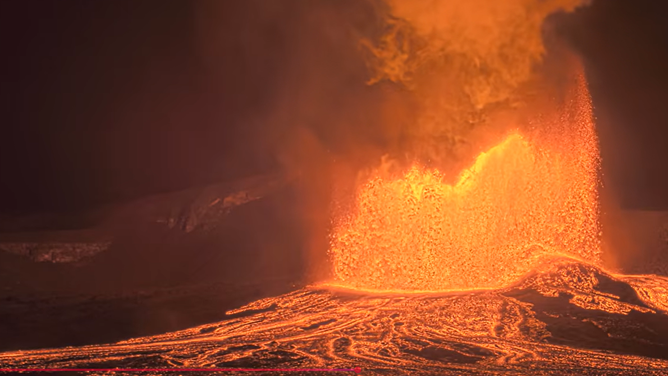
![The 48th episode of the Mount Kīlauea Volcano.]() Image 3 of 7
Image 3 of 7The 48th episode of the Mount Kīlauea Volcano. (@USGSVolcanoes / X)
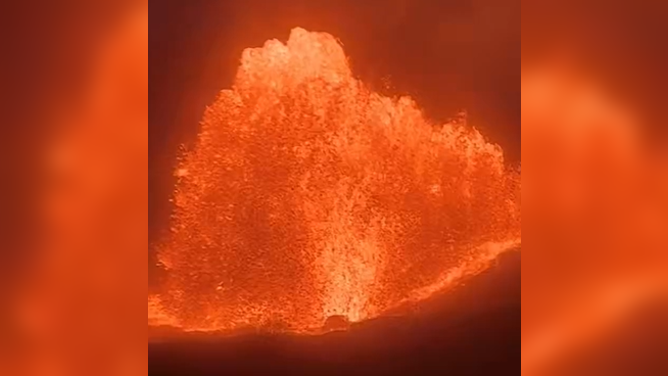
![Nighttime video of Kilauea's 47th eruption since Dec. 2024.]() Image 4 of 7
Image 4 of 7Nighttime video of Kilauea's 47th eruption since Dec. 2024. (USGS via Storyful)
![Tephra near the Kilauea Military Camp During Kilauea's 44th eruptive episode on Thursday, April 9, 2026.]() Image 5 of 7
Image 5 of 7Tephra near the Kilauea Military Camp During Kilauea's 44th eruptive episode on Thursday, April 9, 2026. (K. Mulliken/USGS)
![Kilauea summit caldera after eruption episodes began]() Image 6 of 7
Image 6 of 7Kilauea's caldera after eruptions: Taken on August 29, 2025 (USGS/Hawaiian Volcano Observatory)
![Lava spews from Kilauea on Thursday, June 6, during the volcano's 24th eruptive episode since December of 2024.]() Image 7 of 7
Image 7 of 7Lava spews from Kilauea on Thursday, June 6, during the volcano's 24th eruptive episode since December of 2024. (USGS)
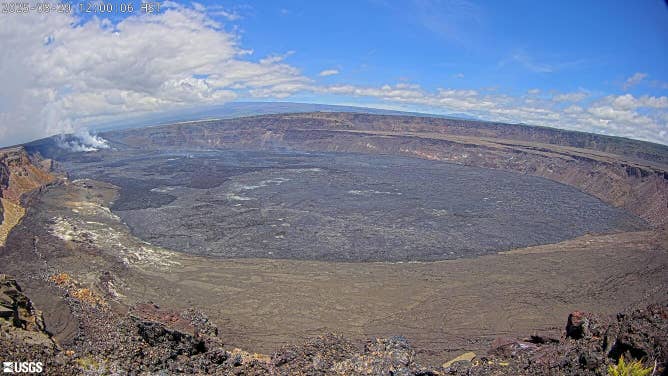
Like all the recent eruptions, this episode was confined to the Halemaʻumaʻu crater within Hawaii Volcanoes National Park, where no people live.
However, volcanic gas that's released during eruptions can impact people downwind, particularly those with respiratory issues or other sensitive populations.
HERE ARE THE DIFFERENT ASHFALL ALERTS THAT COULD BE ISSUED DURING VOLCANIC ACTIVITY
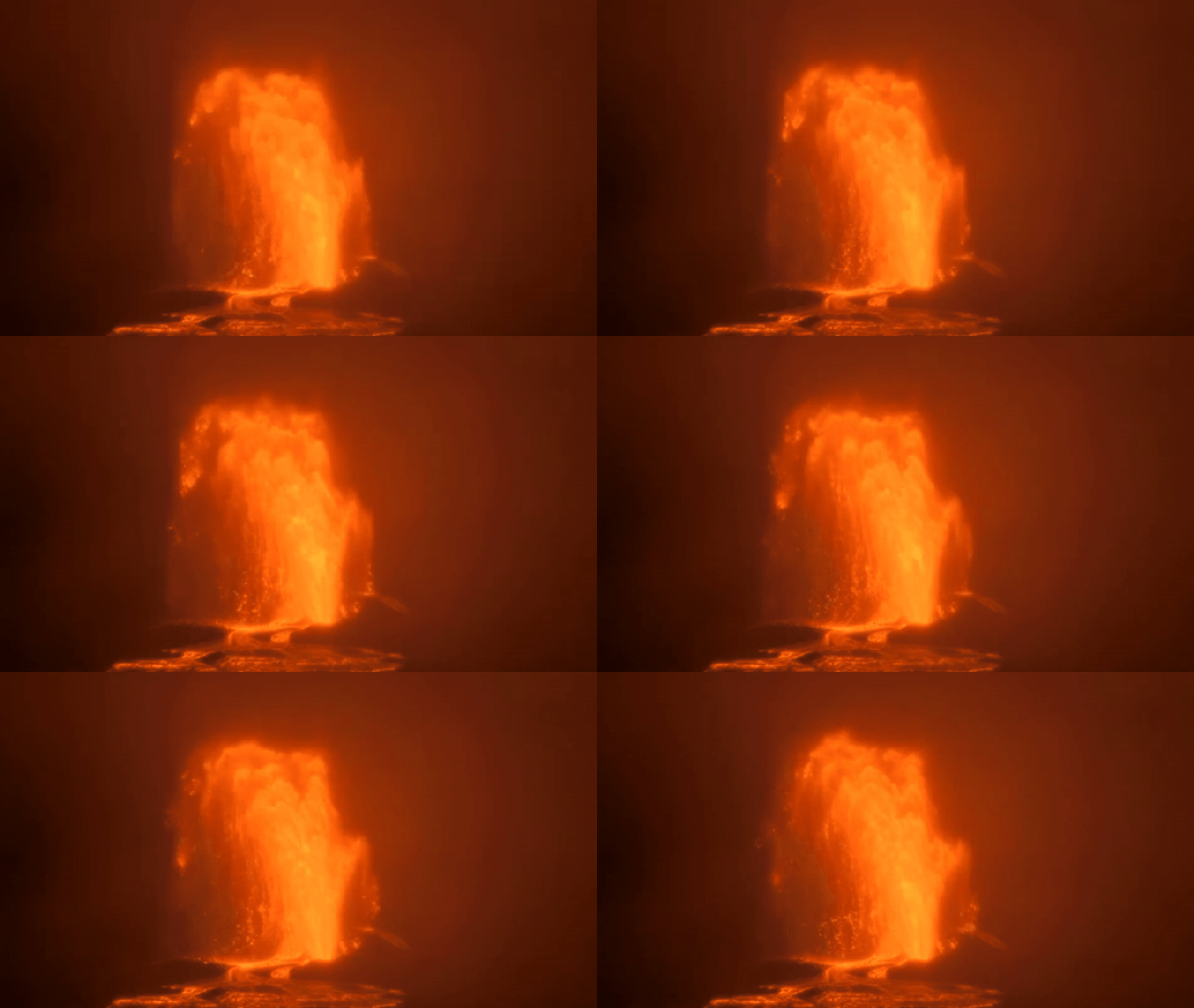
Kilauea erupts on June 20, 2025 for 26th time since Dec. 2024.
(USGS / FOX Weather)
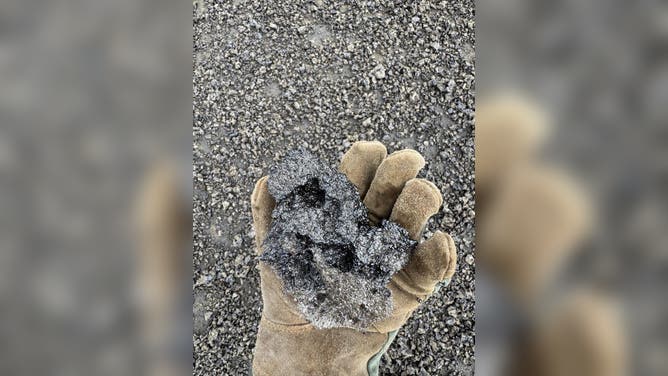
The USGS said this eruption could have released Pele's hair, which are strands of volcanic glass, and can irritate skin, eyes and respiratory systems.
The eruption came to an end just before 1:30 a.m. Friday after 9.6 hours, USGS said. Kilauea's 52nd eruptive episode was on July 29.
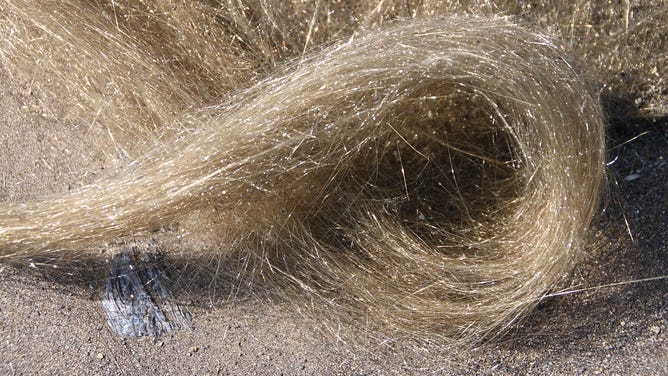
A sample of volcanic glass fibers known as "Pele's Hair."
(National Park Service / FOX Weather)
This period of frequent activity at Kiluea is being driven by magma chambers that are quickly refilling within the volcano. These short eruptions have not been strong enough to dramatically change the pressure in these chambers, which have reached something of an equilibrium.
MAGNITUDE 5.2 EARTHQUAKE STRIKES OFF HAWAII'S BIG ISLAND ASSOCIATED WITH UNDERSEA VOLCANO
"Since the ongoing eruption began in December of 2024, there has been little overall change in the amount of pressurization of the magma chambers beneath Kīlauea summit," the USGS said in a FAQ report on Kilauea.