

Lava sent spewing 1,000 feet into the air as Hawaii's Kilauea undergoes 45th eruptive episode
Hawaii's Kilauea volcano erupted just after 1:30 a.m. Thursday, its 45th eruptive episode since Dec. 23, 2024.
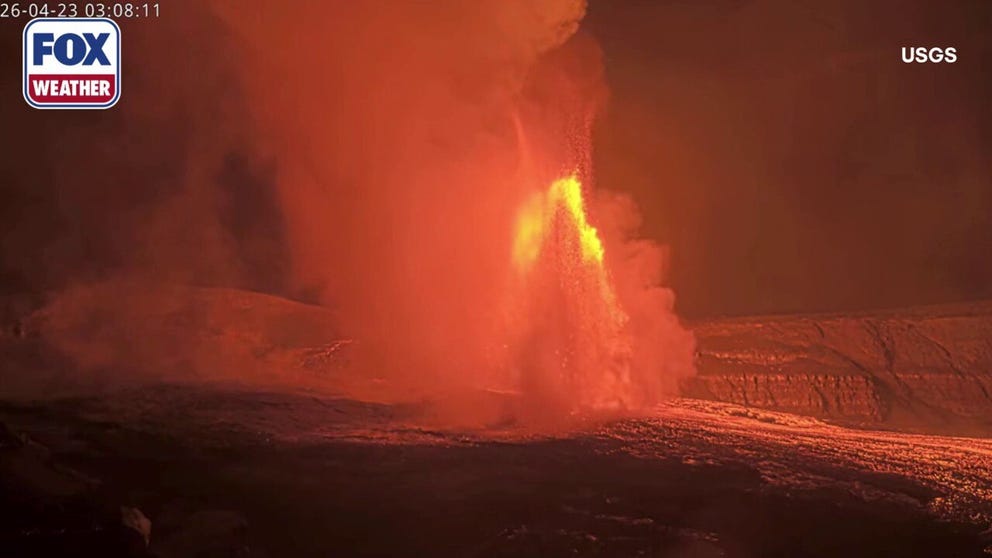
Watch: Kilauea roars back to life in 45th eruptive episode
Hawaii's Kilauea volcano erupted just after 1:30 a.m. Thursday, its 45th eruptive episode since Dec. 23, 2024.
HAWAII VOLCANOES NATIONAL PARK, Hawaii — Hawaii's Kilauea volcano erupted just after 1:30 a.m. Thursday, its 45th eruptive episode since Dec. 23, 2024.
HERE ARE THE DIFFERENT ASHFALL ALERTS THAT COULD BE ISSUED DURING VOLCANIC ACTIVITY
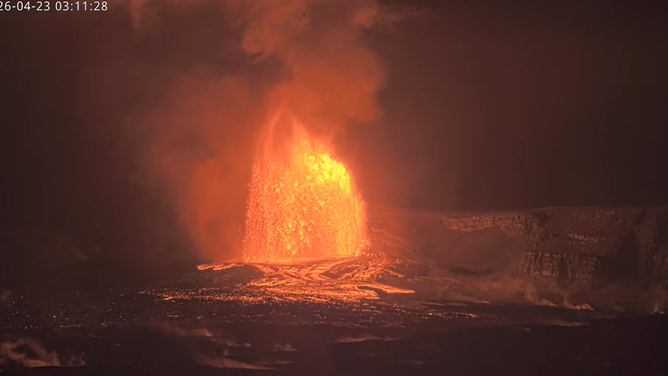
Kilauea's 45th eruption since Dec. 23, 2024.
(USGS)
The USGS first noted that lava started to burble out of the volcano's caldera late Monday, signaling that one of the world's most active volcanoes was waking up from a short nap. Its last eruption occurred just several weeks ago on April 9.
SEE IT: GUSHING LAVA FOUNTAINS FROM MOUNT KILAUEA VOLCANO AMID 44TH ERUPTION
Lava fountains have already reached 1,000 feet in this most recent eruption, with smoke reaching an altitude of 16,500 feet.
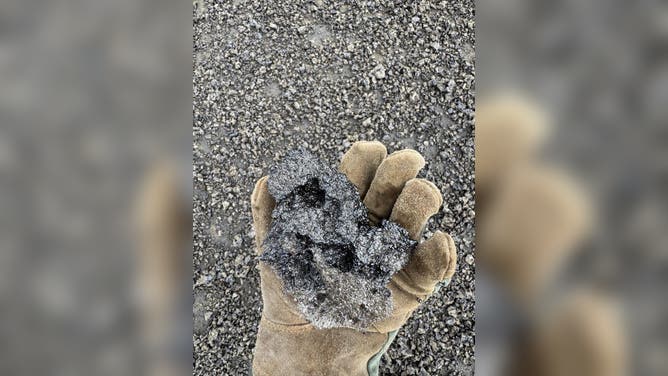
Tephra near the Kilauea Military Camp During Kilauea's 44th eruptive episode on Thursday, April 9, 2026.
(K. Mulliken/USGS / FOX Weather)
The main public hazards are volcanic gas and tephra, including Pele's Hair, released by eruptions — but are standard for these regular eruptions and currently pose no threat to communities in the area. Tephra is a catch-all term that describes various kinds of rocks blasted into the air during eruptions.
Pele’s Hair consists of thin glass fibers formed by gas during a volcanic eruption, according to the USGS.
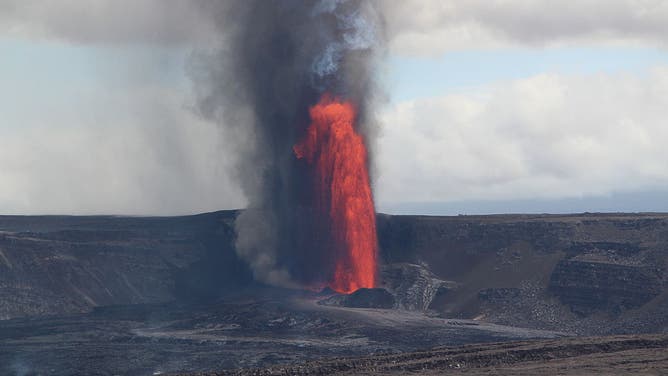
HAWAII, UNITED STATES - JUNE 12: Lava fountains rise over 500 feet above the western rim of Halemaumau crater during the ongoing 25th eruptive episode of the Klauea summit eruption in Hawaii, United States, on June 11, 2025.
(USGS - M. Zoeller / FOX Weather)
When gas bubbles near the surface of lava burst, they can stretch the skin of the molten lava into long threads. These can become airborne and be carried by the wind, posing a threat to humans, as a tiny piece of glass can get lodged in skin or eyes.
These eruptions are occurring in a part of the Hawaii Volcanoes National Park on the Big Island that has been closed since late 2007.