

Long Island Sound shows signs of a comeback as water quality continues to improve
Save the Sound released its 2026 Long Island Sound Report Card, showing that water quality improved or remained stable across all five open-water regions of the Sound.

FILE: Several beaches along the U.S. East Coast face water quality issues
As people across the U.S. are looking to enjoy the beaches this Labor Day weekend, some areas along the East Coast are facing water quality issues related to fecal contamination.
LONG ISLAND SOUND - Billions of dollars in wastewater and infrastructure upgrades across Connecticut and New York appear to be paying off, with a new report finding continued improvements in the water quality of the Long Island Sound.
Save the Sound released its 2026 Long Island Sound Report Card, showing that water quality improved or remained stable across all five open-water regions of the Sound.

Save the Sound released its 2026 Long Island Sound Report Card, showing that water quality improved across all regions of the Sound.
(Tyler Russell/Connecticut Public / Getty Images)
The Western, Central and Eastern basins all received A grades, while the Eastern Narrows received a B. The biggest improvement came in the Western Narrows, which includes the waters around New York City and received a D.
That marks the first time the Western Narrows has received a passing grade since Save the Sound began grading the region in 2008. The area had received an F every year.
TOXIC ALGAE DETECTED AT COLORADO'S LARGEST RESERVOIR AS OFFICIALS WARN VISITORS OF HEALTH RISKS
The Western Basin improved from an A- to an A, while the Central Basin improved from an A to an A+. The Eastern Basin maintained its A+ grade, and the Eastern Narrows remained at a B.
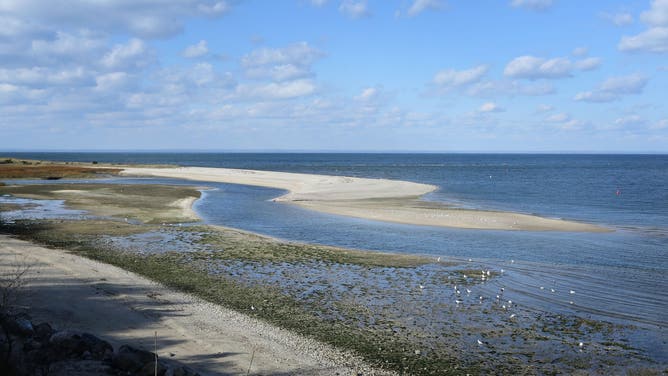
A view of the Long Island Sound from the bluffs in Kings Park, New York as seen on November 17, 2022.
(John Paraskevas/Newsday RM / Getty Images)
Good quality water is based on dissolved oxygen, chlorophyll, water clarity and dissolved organic carbon and a balanced community of seaweeds.
HIGH FECAL BACTERIA LEVELS TRIGGER SWIM ADVISORIES, CLOSURES AT NEW JERSEY BEACHES
The study measures factors including dissolved oxygen, chlorophyll, water clarity, temperature, salinity, oxygen saturation and aquatic vegetation.
Excess nitrogen can fuel algae blooms and contribute to low-oxygen conditions, which can harm or kill fish and other aquatic life.
Save the Sound said reducing nitrogen entering the Sound has been a major factor in the improvements seen across the open waters.
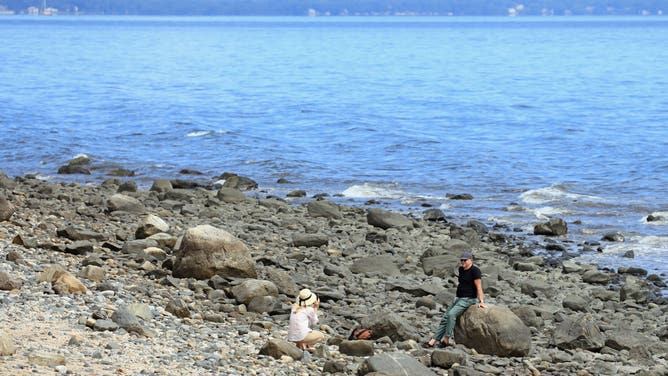
A couple pose for photos along the rocky shores on the Long island Sound at the Target Rock National Wildlife Refuge.
(Bruce Bennett / Getty Images)
Save the Sound's Unified Water Study, launched in 2017, was created to better understand water quality in 52 of the Sound's bays and harbors. The program established standardized monitoring procedures, protocols and equipment so data collected by different organizations can be compared across the region.
STUDY FINDS FLESH-EATING BACTERIA, HARMFUL ALGAL BLOOMS IN LONG ISLAND WATERS AS QUALITY WORSENS
While the latest findings show improving conditions, Save the Sound warns that progress could be threatened by climate change, rising water temperatures and worsening stormwater runoff.
The organization said continued reductions in nitrogen pollution and investment in wastewater and stormwater infrastructure will be important to maintaining the results.