

Bird rarely seen in North America makes surprise appearance in popular Maine seaside town
The bird was discovered at a farm in Cape Elizabeth.

FILE: Worldâs oldest known wild bird lays new egg
The U.S. Fish and Wildlife Serviceâs Pacific region says the 74-year-old Laysan albatross returned to the Midway Atoll National Wildlife Refuge in late November to lay an egg. (USFWS/Dan Rapp)
THE TAKEAWAY
- A Gray Heron was spotted in Cape Elizabeth, Maine, on Oct. 18.
- Gray Herons are extremely rare in North America.
- The U.S. didnât record its first Gray Heron sightings until 2020.
A rare Gray Heron has been spotted in Cape Elizabeth, Maine, giving birdwatchers an opportunity to see a species that has only been documented a handful of times in the U.S.
The Maine Audubon said the bird was discovered on Oct. 18 in the fields of Jordan Farm.
It has since been seen in other areas close to the farm.
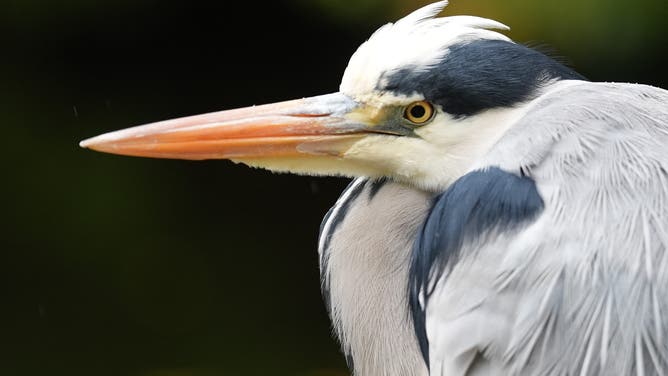
A gray heron was spotted in Maine.
(Marcus Brandt/picture alliance / Getty Images)
The sighting has brought in crowds of birdwatchers hoping to catch a glimpse of the bird.
Gray Herons are extremely rare in North America, with only a small number of sightings reported.
A LOOK AT HOW 13 BELUGA WHALES CAME TO LIVE AT SEAWORLD SAN ANTONIO FROM CANADA
According to Rare Birds of North America, two Gray Herons were spotted in far western Alaska and two sightings were reported in Newfoundland in 1996 and 2002.
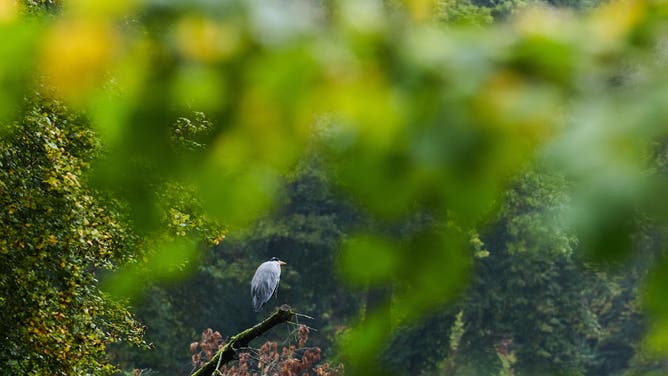
A gray heron is perched on a fallen tree.
(Rolf Vennenbernd/dpa (Photo by Rolf Vennenbernd/picture alliance / Getty Images)
The U.S. didn’t record its first Gray Heron sightings until 2020, when the bird was first spotted on Tuckernuck Island and then on Muskeget Island in Massachusetts.
Gray herons are the Old World counterparts of Great Blue Herons. The two species look very similar.
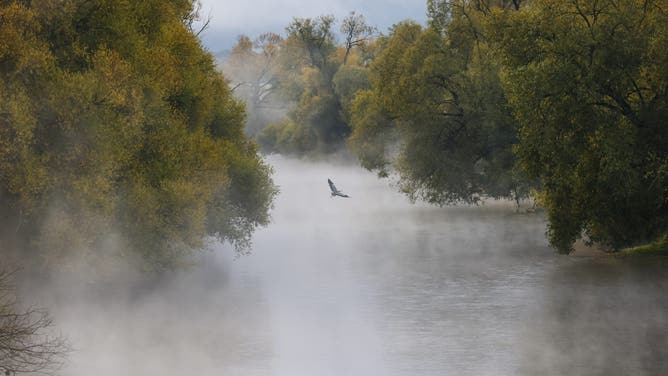
A gray heron flies over a river.
(Thomas Warnack/picture alliance / Getty Images)
However, several characteristics can distinguish them.
Gray Herons are smaller, with shorter legs and a smaller, less heavy bill than Great Blue Herons.
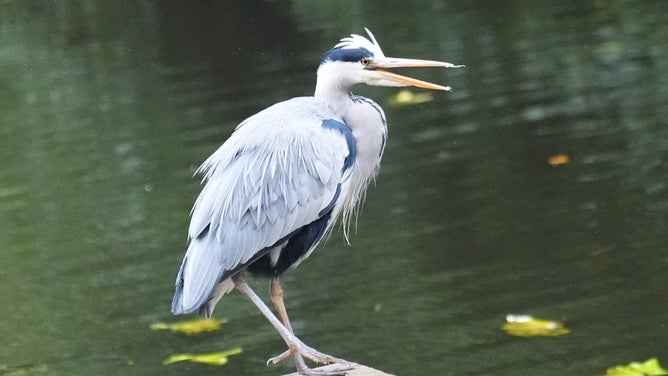
A gray heron is standing on a dock by a pond.
(Marcus Brandt/picture alliance / Getty Images)
They also have white feathers on their wrists and thighs, while Great Blue Herons have reddish-brown coloring in those areas. Their neck patterns are also different, too.
DRIVER RECOUNTS TERRIFYING ENCOUNTER WITH CHARGING BISON IN YELLOWSTONE NATIONAL PARK
Officials are now reminding visitors hoping to use caution and respect the surrounding area while trying to catch a glimpse of the rare bird.