

Coral ecosystem reemerges after 60 years within the ocean's 'twilight zone'
Researchers at the Benin Fisheries and Oceanological Research Institute confirmed the sonar’s signal living in the oceans’ “twilight zone."
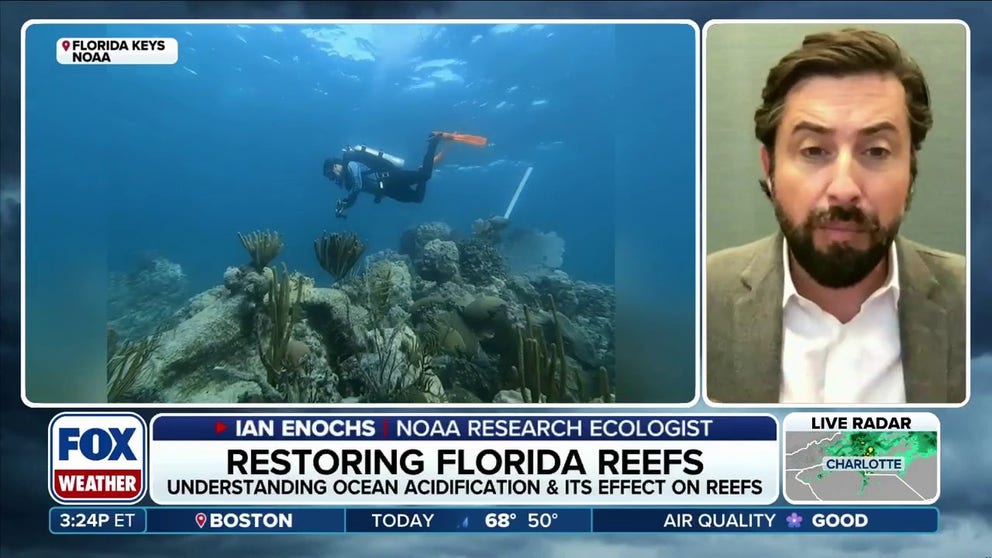
NOAA researchers working to understand and protect Florida coral reefs
Dr. Ian Enochs is a NOAA Research Ecologist studying ocean acidification and its impacts on coral reefs. New NOAA buoys are monitoring vital coral reef deterioration in Florida Keys to help understand how to protect the reefs moving forward.
AFRICA – Scientists are pleasantly surprised to have rediscovered a once presumed dead species that has emerged back in the spotlight after 60 years off the coast of Africa.
The mesophotic coral reef off the coast of the West African country of Benin was once written off as a dead reef, but the emergence of new technology has rewritten this notion.
HERE'S HOW EL NIÑO AFFECTS THE FUTURE OF CORAL REEFS
Mesophotic coral ecosystems are found in tropical and subtropical regions at depths ranging from 100 feet to over 490 feet below the ocean surface, according to NOAA.
Researchers at the Benin Fisheries and Oceanological Research Institute confirmed the sonar’s signal living in the oceans’ "twilight zone."
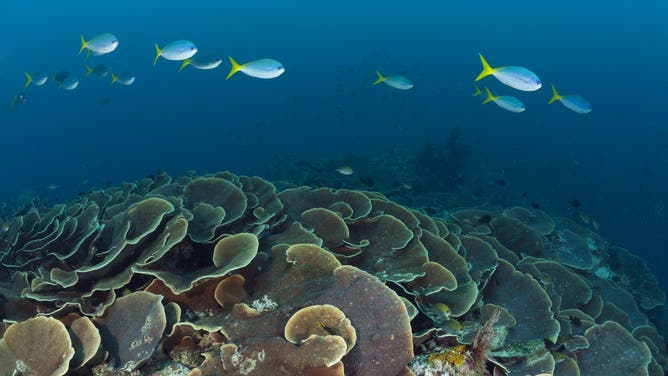
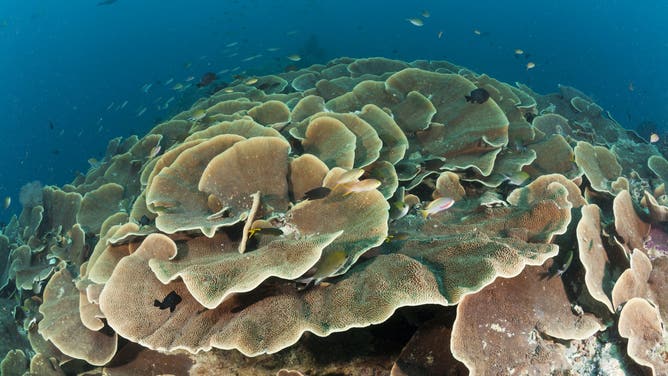
(GERMANY OUT) Lettuce Coral Reef, Turbinaria mesenterina, Raja Ampat, West Papua, Indonesia.
(Reinhard Dirscherl/ullstein bild / Getty Images)
Mesophotic coral ecosystems serve as essential fish habitats for some economically and ecologically important species, which use these areas for spawning, breeding, feeding and growth to maturity.
This coral ecosystem consists of light-dependent corals and associated communities, populated by organisms such as macroalgae, sponges, fish and other species unique to mesophotic depths.
CANNIBALISTIC JELLYFISH ARE INVADING THE PRECIOUS LAGOONS OF VENICE WITH NO WAY OF REMOVING THEM
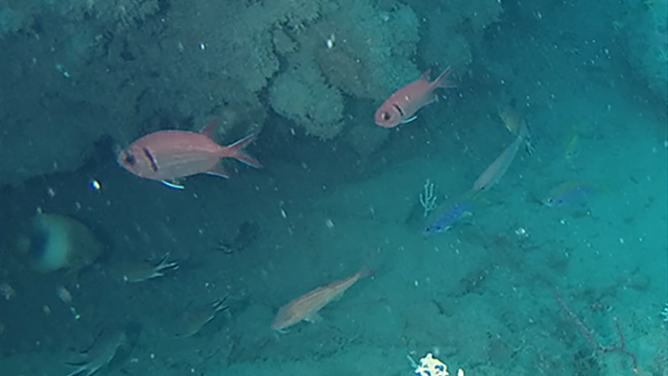
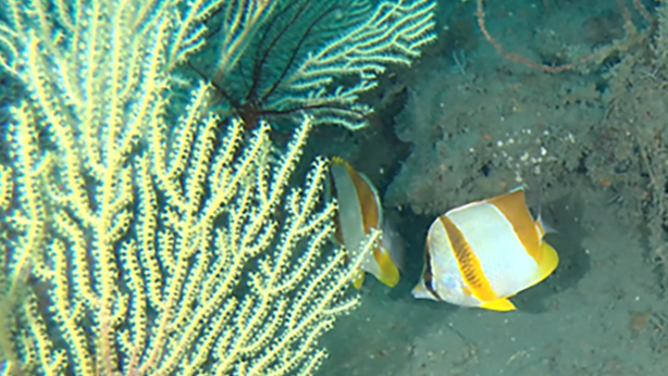
![Fish that live at Mesophotic coral reef.]() Image 1 of 4
Image 1 of 4Fish that live at Mesophotic coral reef. (frontiersin.org)
![Fish swim around the Mesophotic coral reefs.]() Image 2 of 4
Image 2 of 4Fish swim around the Mesophotic coral reefs. (frontiersin.org)
![Mesophotic coral reefs.]() Image 3 of 4
Image 3 of 4Mesophotic coral reefs. (frontiersin.org)
![]() Image 4 of 4
Image 4 of 4(GERMANY OUT) Lettuce Coral Reef, Turbinaria mesenterina, Raja Ampat, West Papua, Indonesia (Reinhard Dirscherl/ullstein bild)
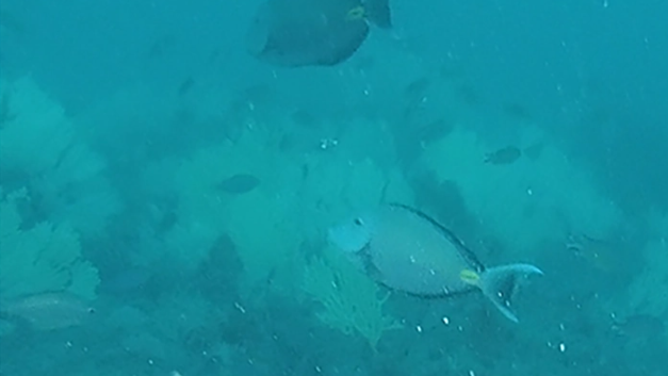
Some areas, such as American Samoa, contain mesophotic reefs covering nearly 80% of their coral habitat.
SEE IT: RARE FOOTAGE CAPTURES ELUSIVE BLUE-RINGED OCTOPUS CARRYING HER EGGS OFF AUSTRALIAN COAST
Further research will help experts determine whether the reef has existed continuously since the 1960s or waxed and waned over the years.