

This extremely remote US national park is the only one of its kind that requires a valid passport to visit
With the limited travel options also comes the requirement of a valid U.S. passport or certified birth certificate demonstrating his or her American nationality, according to the U.S. Department of the Interior.
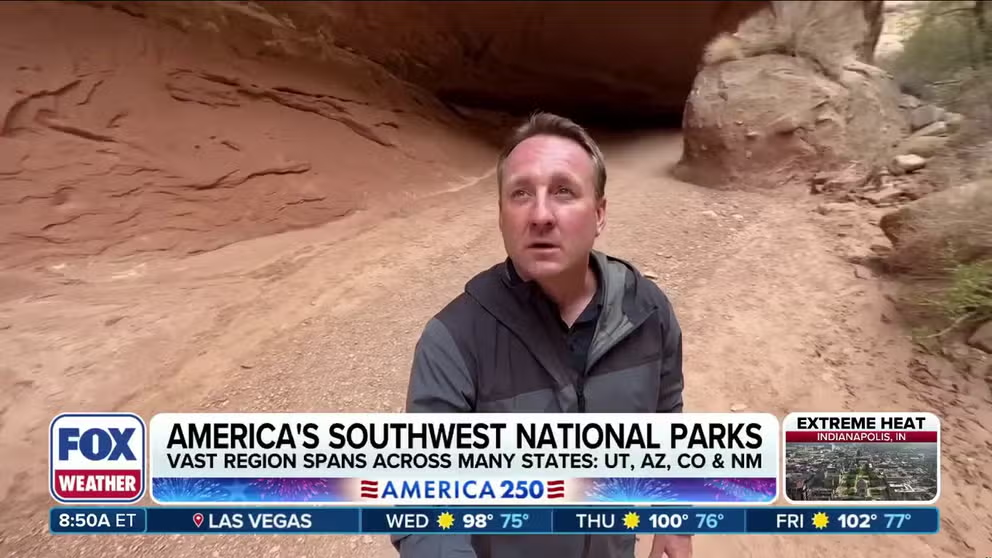
Celebrating America 250: America's Amazing Southwest National Parks
As FOX Weather celebrates America's 250th birthday, FOX Weather Senior Correspondent Robert Ray showcases the amazing national parks he's covered in the American Southwest, including Utah's "Mighty 5." See some of the world's greatest natural wonders:
NATIONAL PARK OF AMERICAN SAMOA – Outdoor enthusiasts can explore the vast selection of national parks throughout the U.S. and its territories, but one location requires a valid passport to enter.
The National Park of American Samoa is one of the most remote of its kind, located around 2,600 miles Southwest of Hawaii.
This national park is accessible by plane to Pago Pago International Airport on the island of Tutuila, where a connecting flight is available to Ta’ū and Ofu, as the park is spread across three islands.
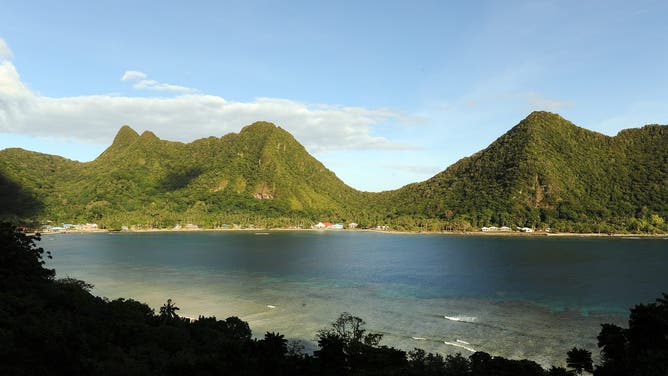
The picturesque village of Vatia is surrounded by a national park in American Samoa on October 3, 2009. The village lines a coral-fringed bay which is home to large colonies of frigates, boobies, white terns and noddy terns. AFP PHOTO / Torsten BLACKWOOD
(TORSTEN BLACKWOOD/AFP / Getty Images)
With the limited travel options also comes the requirement of a valid U.S. passport or certified birth certificate demonstrating his or her American nationality, according to the U.S. Department of the Interior.
It is important to come prepared when visiting this unique national park, as visitors should expect warm, humid temperatures year-round with frequent rain showers during the wet season (October to May).
STUNNING SKIES: HERE ARE THE TOP 10 NATIONAL PARKS FOR STARGAZING
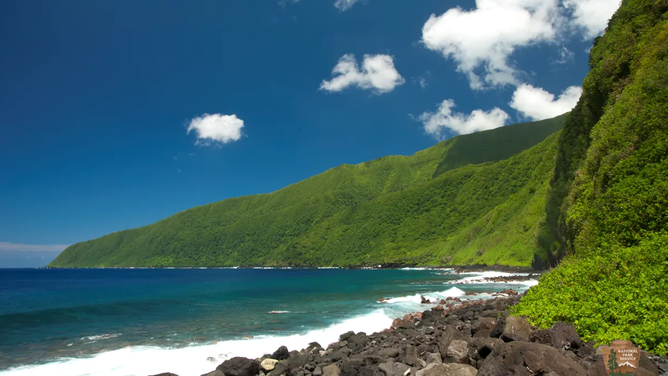
Stunning view at Si'u Point.
(NPS Photo / Michael Larson)
THE BEST NATIONAL PARKS TO VISIT WITH YOUR DOG THIS SUMMER
Islands to explore
National Park Service officials share details on opportunities to explore each island in the park.
- Tutuila: Discover scenic trails like the Mount ‘Alava Trail, coastal beauty along the Le’ala Shoreline, and opportunities to experience Samoan culture in the villages.
- Ta’ū: For a more off-the-beaten-path experience, visit Ta’ū to hike through its rainforests and see Lata Mountain, the highest point in American Samoa.
- Ofu: Known for its tranquil coral reefs and white sandy beaches, Ofu Island is a must-visit for snorkeling enthusiasts.
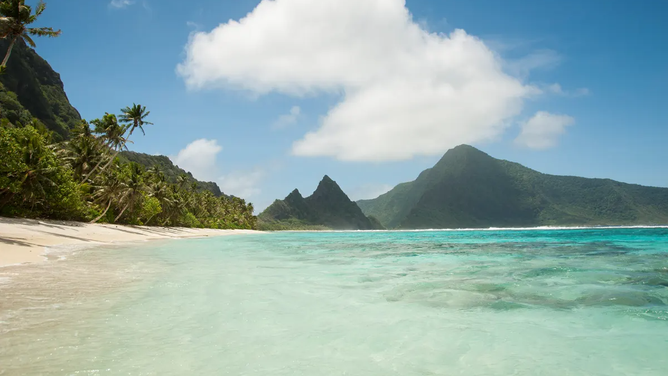
Stunning ocean waters at National Park of American Samoa.
(NPS Photo / Eymard Bangcoro)
The park offers incredible hikes through lush rainforests and to stunning viewpoints, though some trails can be steep and muddy, according to the National Park Service.
Along with this comes over 4,000 acres of underwater landscape, offering various wildlife and environments to explore, including diving and snorkeling.
EXTREME HEAT SAFETY: HOW TO PREPARE AND STAY COOL DURING A HEAT WAVE
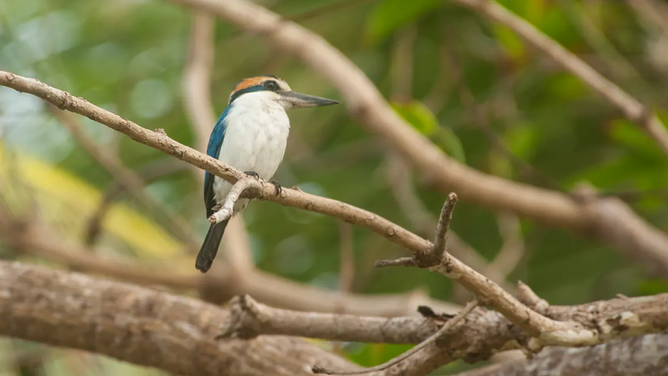
Cute bird at National Park of American Samoa.
(NPS Photo / Eymard Bangcoro)
Thankfully, the park is open year-round and there are no entrance fees to visit.
It is important to come prepared for the park's varied weather and terrain, as park officials encourage visitors to plan their travel.