
Halloween hazard: Wildlife officials warn spooky season decorations pose a hidden danger
Fake spiderwebs, mummy wrappings, string lights and other seasonal decorations can easily entangle wildlife.
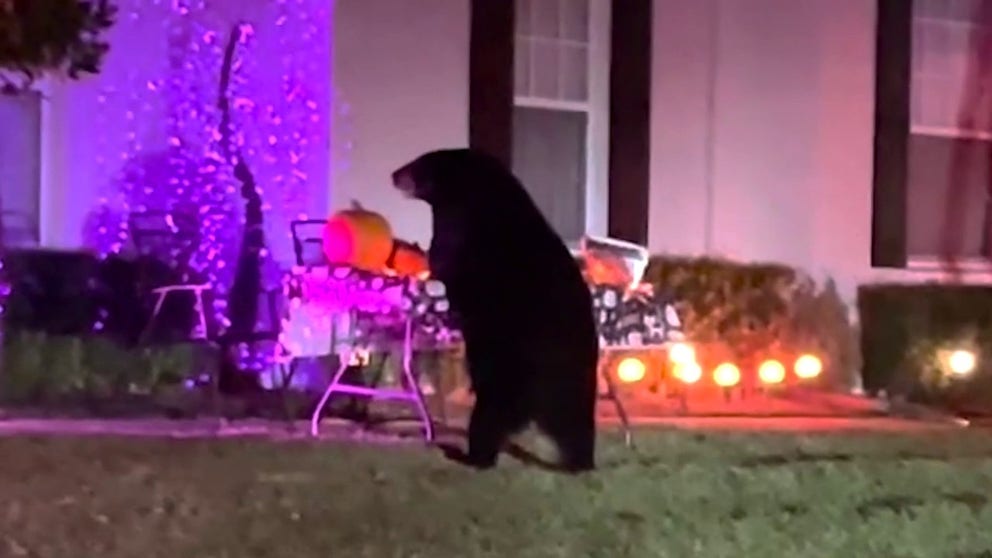
Florida bear feasts on kids’ Halloween candy
Footage shows the bear standing on its hind legs with its front paws placed on a table adorned with pumpkins and glowing Halloween decorations. (Courtesy: Pari Limbachia / AMAZING ANIMALS+ /TMX)
THE TAKEAWAY
- Halloween decorations, including fake spiderwebs and string lights, can entangle and injure wildlife.
- Deer, elk and moose are especially active in the fall as they enter mating season and move toward winter habitats.
- Wildlife officials recommend hanging decorations higher than 6 feet and securing them tightly to trees or buildings.
During Halloween season, spooky decorations can pumpkin-spice up a yard, setting the fall mood and signaling a haven to future trick-or-treaters, but wildlife officials warn those same decorations can pose a threat to uninvited visitors roaming neighborhoods.
Fake spiderwebs, mummy wrappings, string lights and other seasonal decorations can easily entangle wildlife, creating dangerous situations for deer, elk, moose, birds and smaller animals.
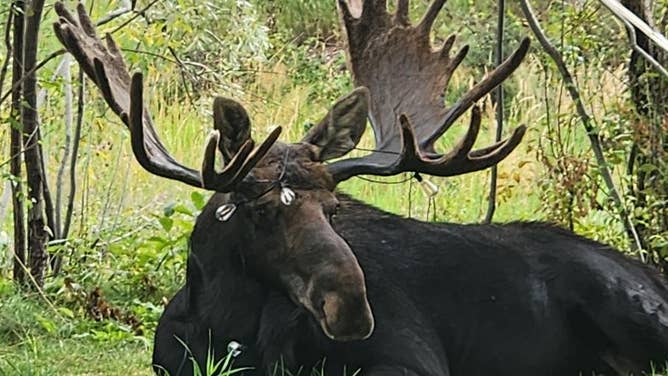
Wildlife can become highly stressed and aggressive when tangled, posing a significant risk of injury to anyone who approaches. Report entangled or distressed your local wildlife officials.
Creepy fake spider webs draped across a front porch turned into a real Halloween horror when several California homeowners woke up to dead bats tangled in the web decorations, the New York Post reported.
Fall is big-game breeding season, and animals such as elk, deer and moose may rub their antlers against trees and vegetation as part of their natural rutting behavior, increasing the risk of becoming tangled in nearby decorations and other outdoor items.
BISON MATING SEASON IS UNDERWAY, AND IT'S BEST TO GIVE THEM SPACE
"During the breeding season, males are very active and travel extensively, rubbing their antlers on almost anything they encounter," Aly Courtemanch, North Jackson wildlife biologist, said.
"This time of year, we see an increase in reports of wildlife entangled in fencing, ropes, and lights. We’re asking everyone to be proactive and clear their properties to prevent these situations this fall," she continued.
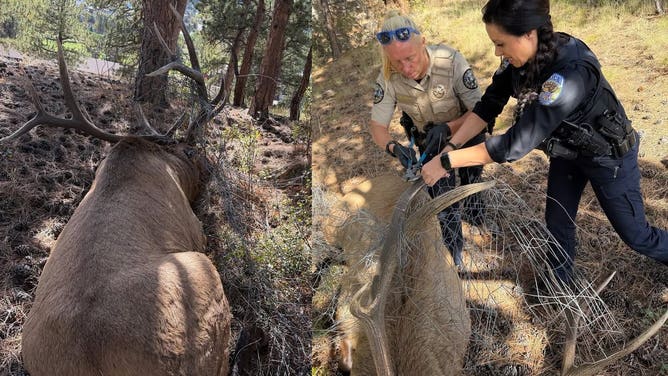
During fall’s breeding season, deer, elk and moose can become tangled in outdoor decorations and equipment as they move through yards.
(Colorado Parks and Wildlife)
The risk isn't exclusive to the spooky season; wildlife may also encounter forgotten summer items, including hammocks, patio furniture and other equipment that can become tangled around legs, wings or antlers.
Colorado Parks and Wildlife recommend placing holiday lights and decorations more than 6 feet above the ground or securing them tightly to trees and buildings.
MUST WATCH: CURIOUS DEER LEARNS NOT TO MESS WITH A ‘HANGRY’ RACCOON AND ITS SNACKS
Loose fabric, artificial spiderwebs and lights draped over vegetation can create especially dangerous hazards for animals moving through yards.
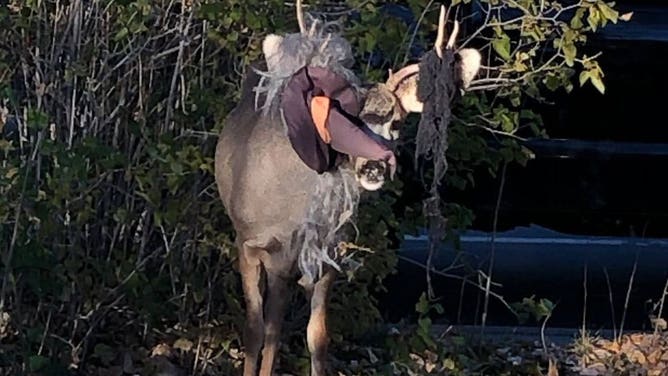
Deer, elk and moose can easily snag loose decorations and other items with their large, branching antlers.
(Colorado Parks and Wildlife)
"This season, let’s all do our part in making sure we keep our wildlife safe while still bringing some festive fun to the season," Colorado Parks and Wildlife said in a social media post.
The National Retail Federation estimates Americans will spend $4.3 billion on Halloween décor this year, with 78% of consumers planning to decorate their homes or yards.
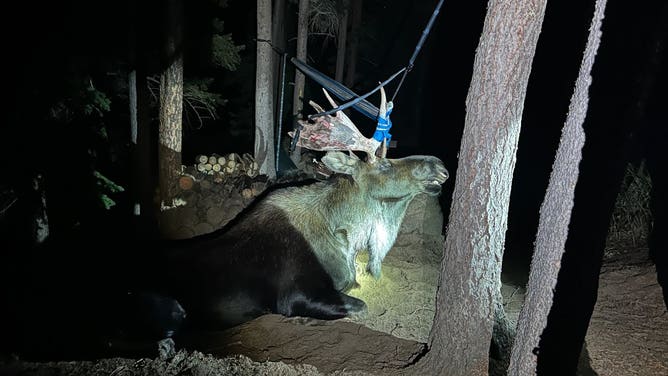
Loose decorations can wrap around an animal’s neck, legs or wings, restricting movement and causing serious injury.
(Colorado Parks and Wildlife)
If you’re among the majority decorating for Halloween, make sure your spiderwebs and string lights don’t become hazards for wildlife.
WATCH: FLORIDA BEAR FEASTS ON KIDS’ HALLOWEEN CANDY
Officials warn that anyone who encounters an entangled moose, elk or deer should not attempt to free the animal and instead report entangled or distressed wildlife to local officials.