

Young great white shark spotted off the coast of the Florida panhandle
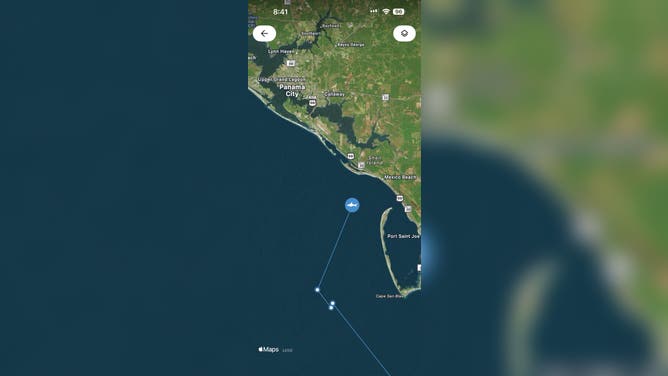
The newly tagged shark pinged between Mexico Beach and St. Jospeh Peninsula.
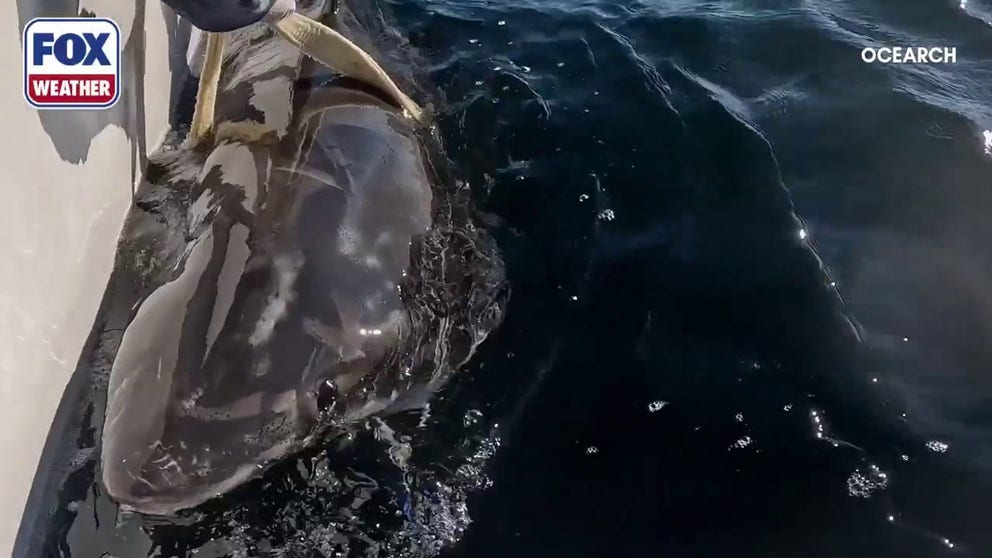
Young great white shark 'Brookes' pings off Florida Panhandle coast
A new fin is on the radar—Brookes—pinged off the Florida Panhandle on Sunday. The juvenile great white, measuring over 8 feet long and weighing more than 450 pounds, was tracked between Mexico Beach and St. Joseph Peninsula. Video here shows when Brookes was tagged in Mahone Bay, Nova Scotia, in September 2025.
FLORIDA - A juvenile great white shark, Brookes, was spotted off the coast of the Florida panhandle on Sunday.
The newly tagged shark pinged between Mexico Beach and St. Joseph Peninsula.
LARGEST MALE WHITE SHARK CONTENDER’S LATEST PING OFFERS FRESH INSIGHT INTO SHARK BEHAVIOR
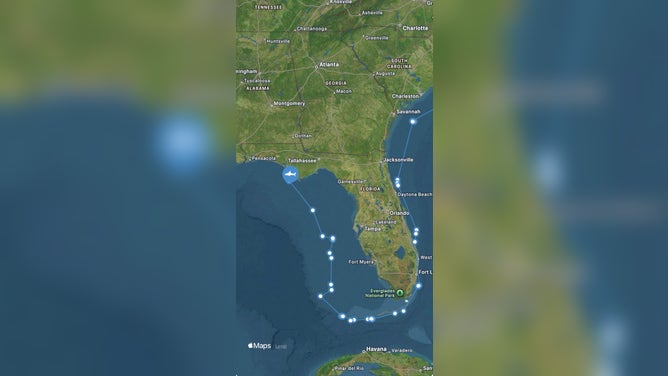
According to OCEARCH, a global nonprofit organization dedicated to researching and protecting sharks, whales, sea turtles and other ocean life, Brookes traveled more than 5,000 miles to reach the Gulf — an area where great white sharks usually frequent during the winter months.
![]() Image 1 of 2
Image 1 of 2Brookes traveled more than 5,000 miles to reach the Gulf, an area white sharks use during the winter months for its warmer waters and abundant food. (OCEARCH/X)
![]() Image 2 of 2
Image 2 of 2The shark was pinged five miles off Mexico Beach and two miles off St. Joseph Peninsula. (OCEARCH/X)
"The Gulf plays an important role in the annual migration of these animals, and continued research will help us better understand the environmental factors that influence where sharks travel and how they use these habitats," OCEARCH Senior Data Scientist John Tyminski said.
In a recent study released by OCEARCH, scientists discovered that the Gulf serves as a regular winter habitat for great white sharks migrating thousands of miles from Atlantic Canada and the northeastern U.S.
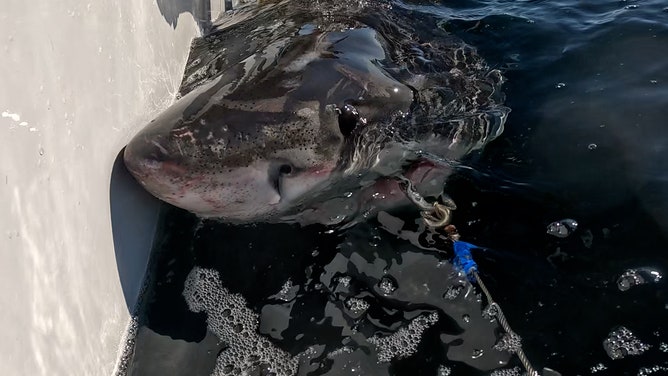
Brookes the young great white shark being tagged in Mahone Bay, Nova Scotia, in September 2025.
(OCEARCH)
By tracking the movements of 92 great white sharks at all the stages of life, they found that the animals typically migrate to this region for the warm waters and abundant food.
MASSIVE 1,400-POUND GREAT WHITE SHARK ‘BRETON’ PINGS NEAR UNCHARTED WATERS OFF TURKS AND CAICOS
"For years we suspected white sharks were using the Gulf more than people realized," Chris Fischer, founder and expedition leader of OCEARCH, said. "This research confirms the Gulf is a regular winter habitat for this population and highlights how connected the ecosystems of the Atlantic Ocean truly are."
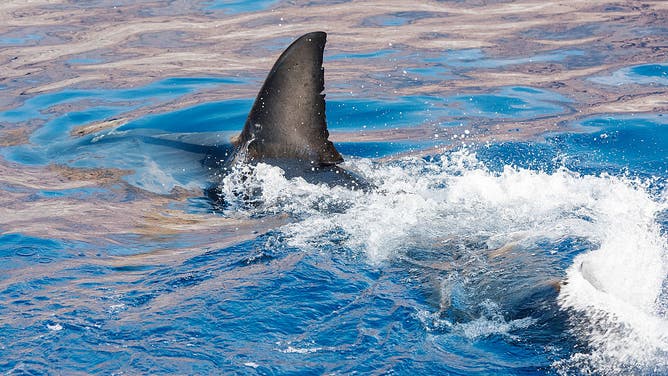
Great White Sharks seasonally gather in the Gulf.
(Dave J Hogan/Dave J Hogan/Getty Images / FOX Weather)
Brookes was tagged in Nova Scotia by Tancook Islands Marine Field Station in collaboration with OCEARCH last September to help scientists understand shark migration patterns better.
She is over 8 feet long and weighs more than 450 pounds, according to OCEARCH.