

Scientists warn the closure of the Strait of Hormuz could trigger a marine super-spreader event
Scientists claim this event, which has caused thousands of commercial vessels to be stranded for months in the Persian Gulf, may trigger a massive invasive species outbreak.
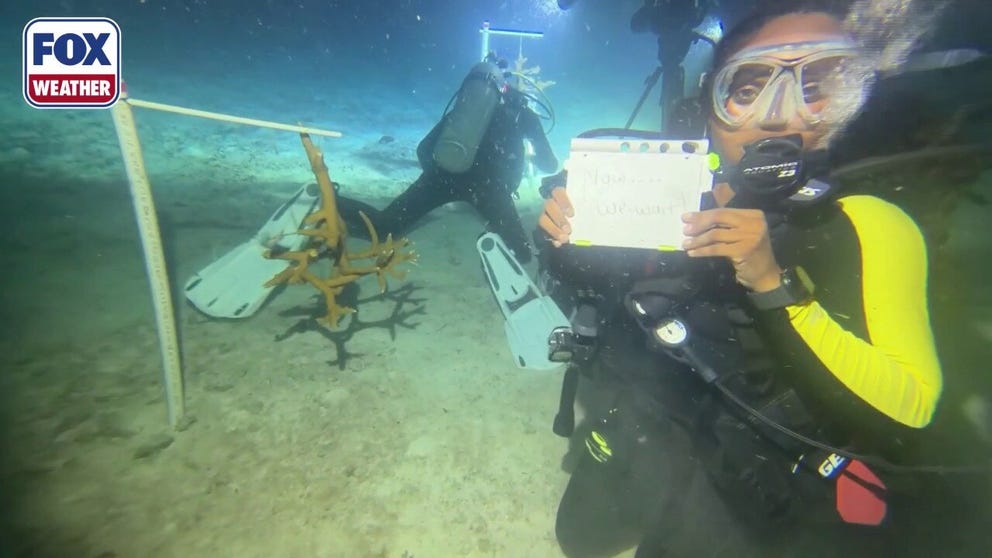
FILE: Coral reef restoration project aims to rebuild Florida Keys' natural reefs
FOX Weather Correspondent Brandy Campbell headed to the Florida Keys this week, where scientists hope a rare, once-a-year coral spawn - and what they call "Coral IVF" - could help secure the coral reefs of the future from a number of threats, including marine heat waves. Watch Brandy dive (literally) into the action with FOX Weather's Dangers of the Deep:
Researchers around the world are cautioning that a marine super-spreader event could be on the horizon, following the closure of the Strait of Hormuz.
PHOTOS SHOW POSSIBLE TREASURE FROM 300-YEAR-OLD 'HOLY GRAIL' OF SHIPWRECKS OFF COLOMBIA
Scientists claim this event, which has caused thousands of commercial vessels to be stranded for months in the Persian Gulf, may trigger a massive invasive species outbreak.
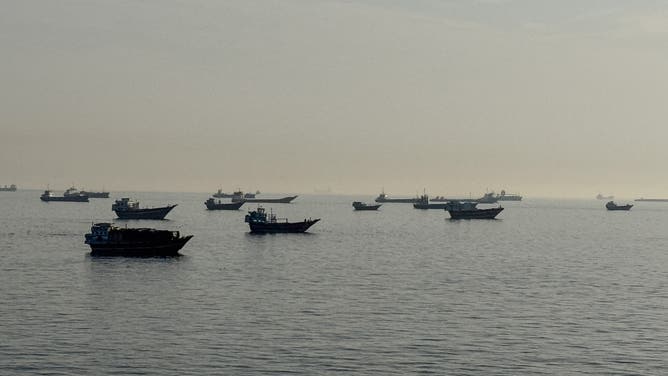
Vessels are seen anchored in the Strait of Hormuz, off the port city of Khasab on Oman's northern Musandam Peninsula on May 17, 2026.
(AFP via Getty Images / Getty Images)
In a recent study, researchers warn that prolonged periods at anchor allow ships to accumulate communities of marine organisms, including algae, barnacles, mussels and other invertebrates.
Once vessels return to their normal shipping routes, these organisms can be transported around the world, potentially introducing invasive species into new ecosystems.
HOW WEATHER TURNED THE GREAT LAKES INTO A SHIPWRECK GRAVEYARD
Researchers said the unprecedented lay-up of more than 1,500 ships has created conditions that could fuel a global marine bioinvasion "super-spreader" event.
The Strait of Hormuz has been closed since February.
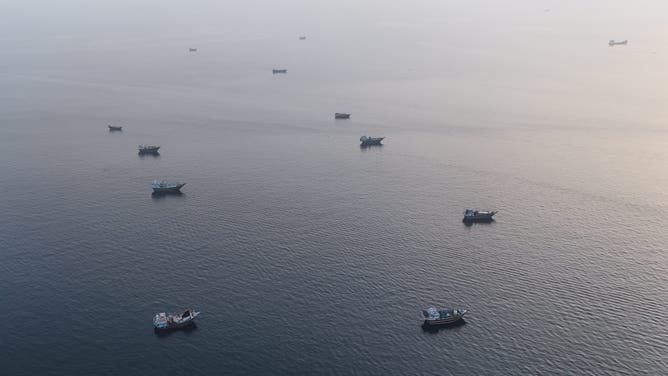
This aerial photograph shows boats anchored off Oman's northern Musandam Peninsula near the Strait of Hormuz on June 27, 2026.
(AFP via Getty Images / Getty Images)
The study, titled "Closure of the Strait of Hormuz May Trigger a Bioinvasion Super-Spreader Event," was conducted by an international team of 24 marine scientists led by the University of Maryland Center for Environmental Science (UMCES), with researchers from the Woods Hole Oceanographic Institution (WHOI) also contributing.
Carolyn Tepolt, a WHOI biologist who contributed to the study, said that marine organisms carried around the world on ships can quickly adjust to new environments and spread to new areas.
THE LARGEST DOCUMENTED CORAL COLONY IN THE WORLD FOUND ON THE GREAT BARRIER REEF
"Marine invasive species have profound ecological and economic impacts on coastlines across the globe," Tepolt said. "And are extremely difficult, if not impossible, to eradicate once they become established."
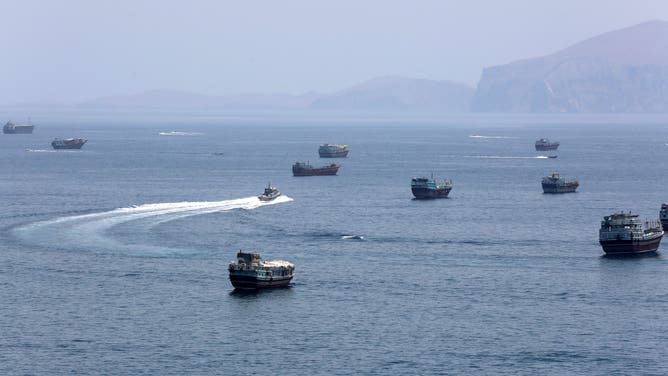
This photo taken on June 20, 2026 shows the Strait of Hormuz near Khasab, a small town in northern Oman.
(Wen Xinnian/Xinhua via Getty Images / Getty Images)
Experts said modern shipping vessels have long been one of the primary ways marine species spread around the world, but the scale and length of the recent ship lay-up in the Strait of Hormuz is unlike anything previously documented, which creates an unprecedented global ecological challenge.
GROUNDBREAKING APPROACH COULD HELP PROTECT CORAL REEFS AND PREVENT BLEACHING FROM ABOVE
"This disruption to global shipping has many repercussions and has also more quietly created ideal conditions to spread warm-water species to new ports," Tepolt said.
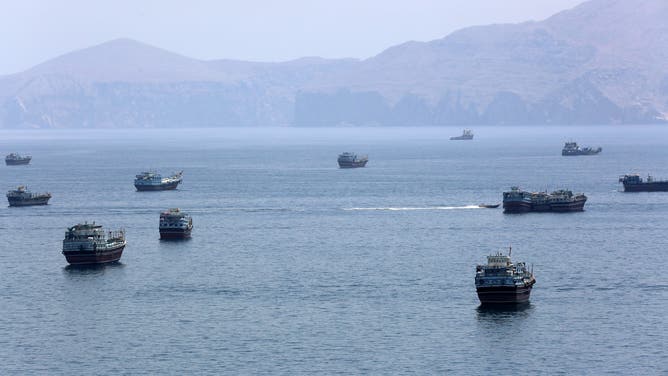
This photo shows the Strait of Hormuz. near Khasab, a small town in northern Oman.
(Wen Xinnian/Xinhua via Getty Images / Getty Images)
Researchers hope the study brings attention to the issue and encourages ship operators, port authorities, regulators and environmental managers to improve biofouling management.
They also recommend increasing monitoring at high-risk ports, improving ship movement forecasting and strengthening international response efforts.
Experts said taking these steps now could help reduce the risk of a global marine invasive species event in the future.