
Louisiana residents urged to take tap water precautions after dangerous amoeba infections reported
Drinking tap water will not put people at risk of contracting Acanthamoeba, but using it for sinus or nasal rinses or to clean or store contact lenses is very dangerous.
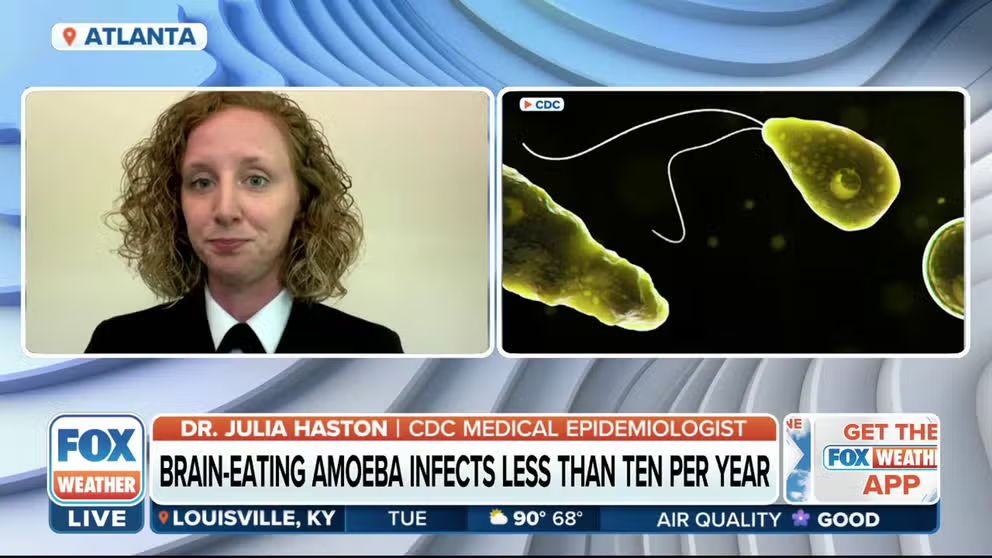
FILE: Brain-eating amoeba poses deadly risk for swimmers; occurs in warm freshwater
This rare but deadly brain-eating amoeba forced state officials to close an Iowa beach for swimming. Dr. Julia Haston, CDC Medical Epidemiologist, explains more about the brain-eating amoeba.
Residents in Louisiana are reminded of the dangers of using tap water when using nasal rinsing devices and contact lenses after 10 cases of rare Acanthamoeba infections were identified since 2024.
The Louisiana Department of Health (LDH) issued the alert, telling residents that Acanthamoeba can cause eye infections or more rarely, sinus, skin or brain infections, depending on how it enters the body.
8-YEAR-OLD GIRL DIES FROM SUSPECTED BRAIN-EATING AMOEBA IN LOUISIANA
Acanthamoeba is a microscopic organism often found in soil, dust and water, including tap water.
DELMAR, NY - JANUARY 9: Filtered tap water flows from Bethlehem resident Jessica Dillon's kitchen faucet on Thursday, Jan. 9, 2025, in Delmar, N.Y.
(Will Waldron/Albany Times Union / Getty Images)
Exposure to this amoeba is common, but infection from it is rare, the department of Health said.
Of the 10 cases identified in Louisiana since 2024, eight of them were Acanthamoeba keratitis.
Acanthamoeba keratitis is an eye infection that can cause permanent vision loss in otherwise healthy people.
NORTH CAROLINA TEEN DIES AFTER CONTRACTING RARE BRAIN-EATING AMOEBA
Acanthamoeba keratitis can cause eye pain, redness, blurred vision, sensitivity to light, excessive tearing or the sensation that something is in the eye, LDH said. "Contact lens wearers experiencing these symptoms should promptly seek care from an eye care professional."
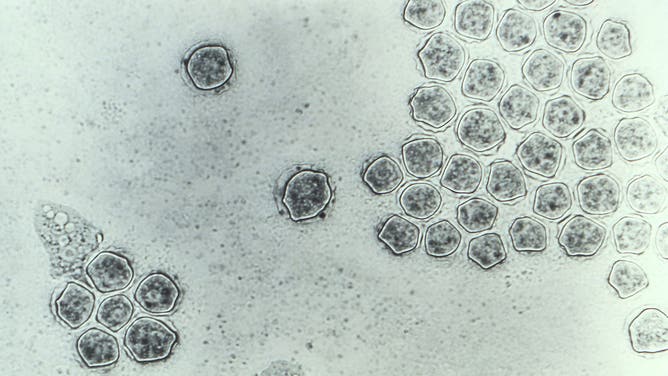
Obtained from an eye specimen taken from a patient in Thailand, who had contracted an infection known as Acanthamoeba keratitis.
(CDC/IMAGE POINT FR/BSIP/Universal Images Group / Getty Images)
LDH said seven of the cases occurred in contact lens wearers and five of the eight cases led to permanent loss of vision.
Two serious cases were identified in Louisiana in 2026.
One person contracted the infection in their sinuses and the other contracted it in their brain and died.
RABIES CONCERNS GROW AFTER RECORD NUMBER OF INFECTED BATS FOUND IN LOS ANGELES
Both people with serious infections reported having used nasal irrigation systems with tap water.
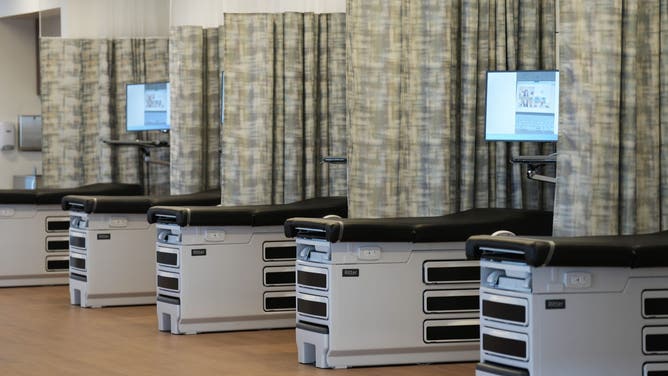
HOUSTON, TEXAS - OCTOBER 15: A lab and classroom space at the Baylor College of Medicine's Lillie and Roy Cullen Tower in Houston on Thursday, Oct. 15, 2026.
(Elizabeth Conley/Houston Chronicle / Getty Images)
LDH said tap water couldn't be established as the source of the infections, but still warns residents of the dangers of using tap water in situations like these.
Drinking tap water will not put people at risk of contracting Acanthamoeba, but using it for sinus or nasal rinses or to clean or store contact lenses is very dangerous.
FLORIDA BATTLES ITS LARGEST DENGUE OUTBREAK IN DECADES AS CASES SURGE ACROSS THE STATE
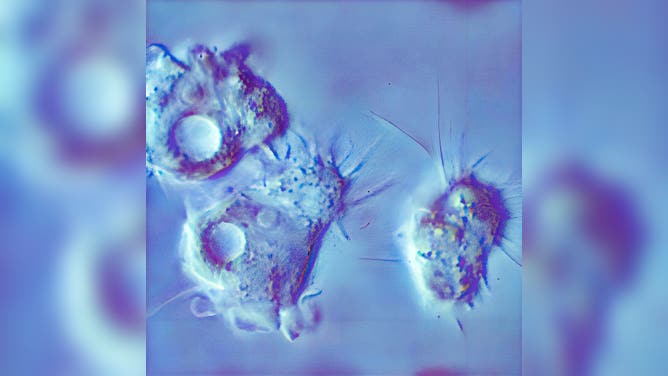
Acanthamoeba is a microscopic, free-living amoeba, or amoeba (single-celled living organism), that can cause rare but serious eye, skin, and central nervous system infections. The amoeba is found worldwide in the environment in water and soil. via Getty Images)
(Getty Images)
"Although these infections are rare, they can have devastating consequences," said Louisiana state epidemiologist Theresa Sokol. "Using the right water for nasal rinsing, following proper contact lens hygiene, and taking precautions with medical devices can help reduce the risk. These steps are especially important for people with weakened immune systems."
Symptoms vary depending on the infection and can be difficult to recognize. People with weakened immune systems who develop symptoms such as seizures, confusion, headaches, weakness, fevers or sinus, visual, skin or other disturbances should seek medical attention as soon as possible and tell their health care provider about any recent nasal rinsing or other potential water exposures, LDH said.
LDH recommends following these precautions:
- For nasal rinsing: Always use distilled, sterile, or previously boiled and cooled water in neti pots, squeeze bottles, and other nasal irrigation devices. Do not use untreated tap water for use or for cleaning.
- For contact lenses: Never use tap water to clean or store contact lenses. Use recommended contact lens solutions, follow proper cleaning and storage instructions, and remove lenses before swimming, showering, or using a hot tub.
- For medical devices: Follow the manufacturer's instructions for water use, cleaning, and maintenance of devices such as continuous positive airway pressure (CPAP) machines.
- For people with weakened immune systems: Talk with a health care provider about precautions when using nasal irrigation devices and other equipment that may involve water exposure.
LDH issued a health advisory to Louisiana health care providers to increase awareness of these infections, encourage early recognition and reinforce prevention recommendations.
For additional information about Acanthamoeba infections and prevention, visit the Centers for Disease Control and Prevention (CDC) Acanthamoeba infections website.