

See it: Scientists sample once-inaccessible tephra from wall of crater on Kilauea's summit
The samples will help the USGS better understand Kilauea's eruption behavior, magma storage and volcanic hazards.
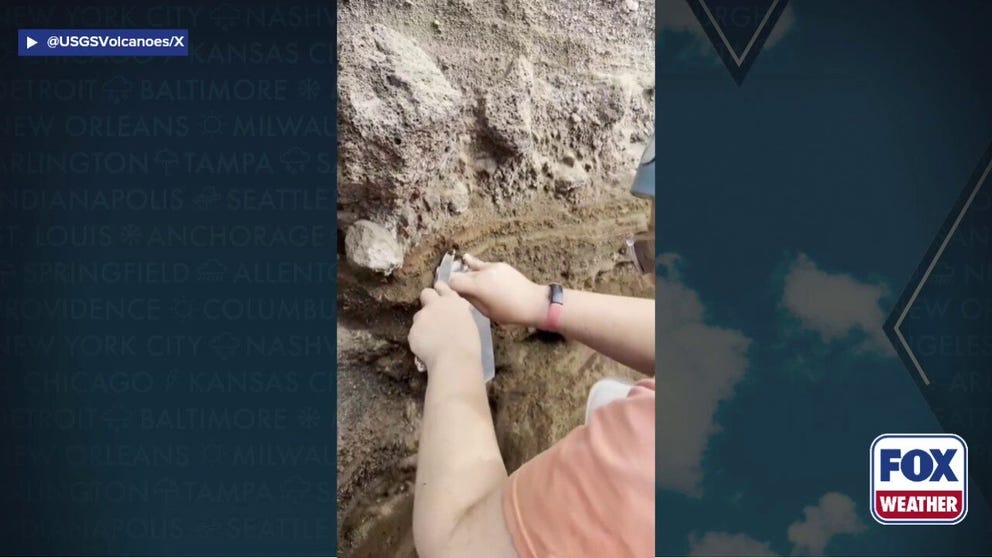
Scientists collect samples from Kilauea volcano summit crater
Three scientists went on a mission to collect tephra samples from one of Kilauea's craters in order to help further research into the volcano's behavior.
Three scientists with the U.S. Geological Survey had the opportunity to fly into the summit of Hawaii's most active volcano to collect samples for research.
On July 2, the scientists hopped into a helicopter and flew to the northwest side of Halema‘uma‘u, a crater at Kilauea's summit.
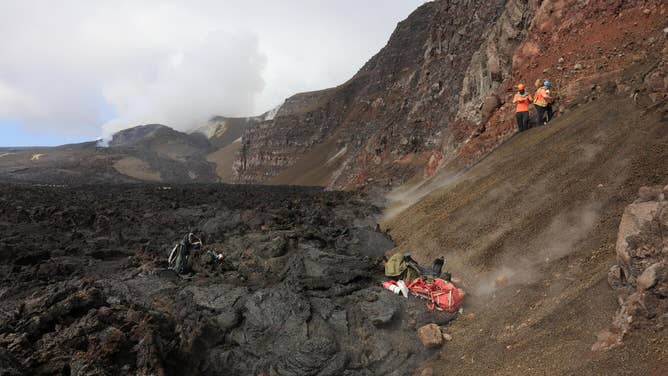
On July 2, three USGS Hawaiian Volcano Observatory scientists flew via helicopter to the northwest side of Halema‘uma‘u at the summit of Kīlauea to sample tephra deposits in the crater wall. These deposits were exposed by the 2018 summit collapse, but lava flows from the ongoing episodic Kīlauea summit eruption are likely to bury them again in the near future.
(USGS photo by M. Zoeller / FOX Weather)
The purpose? To sample tephra deposits from the crater wall, which had been inaccessible before now, the USGS said.
Tephra is the general name given to anything thrown into the air during a volcanic eruption. It can range from individual ash particles all the way to volcanic bombs, according to the USGS.
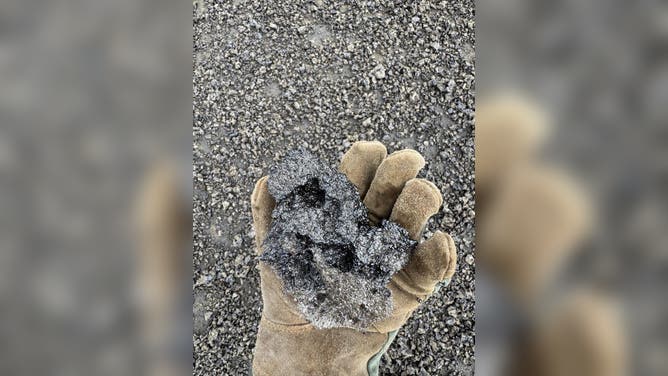
Tephra near the Kilauea Military Camp During Kilauea's 44th eruptive episode on Thursday, April 9, 2026.
(K. Mulliken/USGS / FOX Weather)
As lava flows have filled in Halemaʻumaʻu during the eruptions of Kilauea, the floor of the crater has risen, making it possible for scientists to walk across it.
But, the USGS said, the deposits of tephra could be covered by lava flows in the future.
UNDERSTANDING THE PACIFIC RING OF FIRE: WHERE EARTHQUAKES AND VOLCANOES MEET
The samples will help the USGS better understand Kilauea's eruption behavior, magma storage and volcanic hazards.
Video showed the scientists flying in on the helicopter, getting out and walking across the tephra to the side wall of the crater and scraping samples into bags.
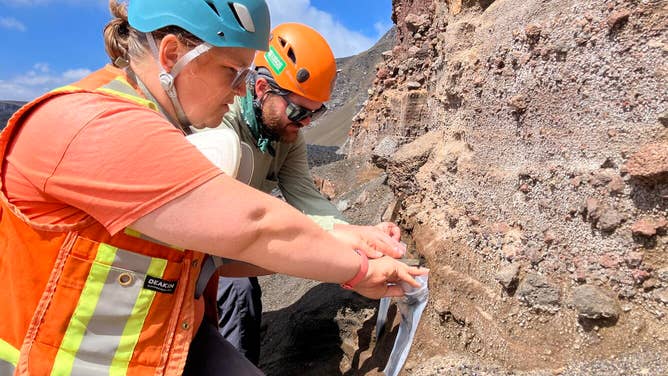
This photo was captured during the July 2 mission to the northwest side of Halema‘uma‘u crater, which was done with permission from and coordination with Hawai‘i Volcanoes National Park.
(USGS photo by M. Zoeller / FOX Weather)
Kilauea has seen 50 eruptive episodes since Dec. 23, 2024.
The USGS forecasts the volcano will see its 51st eruption sometime between July 11 and 15.
SEE IT: FIERY TORNADO-LIKE 'TEPHRA DEVIL' SWIRLS ON HAWAII'S KILAUEA VOLCANO
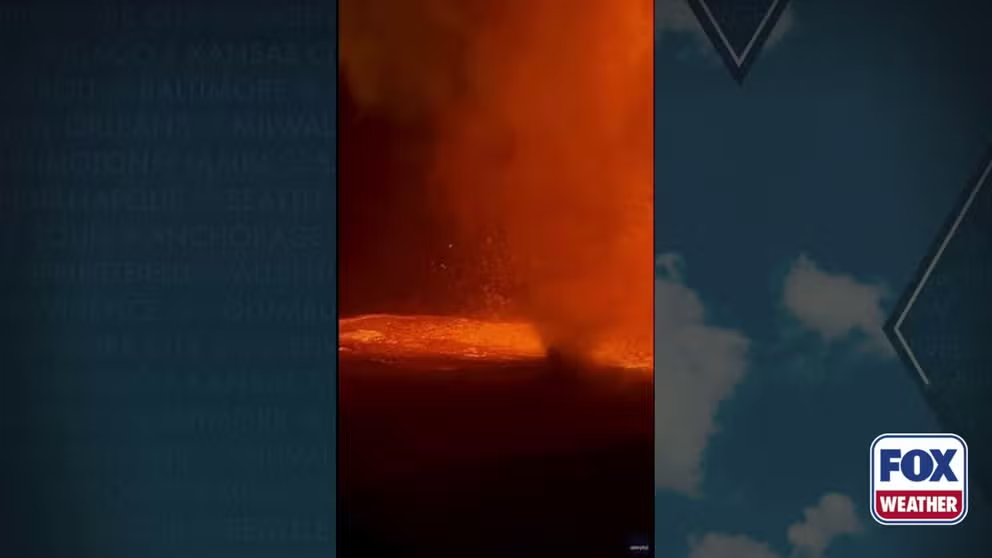
Watch: 'Tephra Devil' swirls on Hawaii's Kilauea
A unique phenomenon known as a "Tephra Devil" was captured swirling over a crater on Hawaii's Kilauea during the volcano's 47th eruptive episode last week.
Each episode typically lasts no more than 12 hours, with a break of roughly three weeks between episodes, the USGS said.