

Dozens of invasive green iguanas removed from remote national park
Located 70 miles from Key West, Florida, the lizards would've had to be brought on a plane or boat to get to the national park, which has no roads and isn't accessible by car.
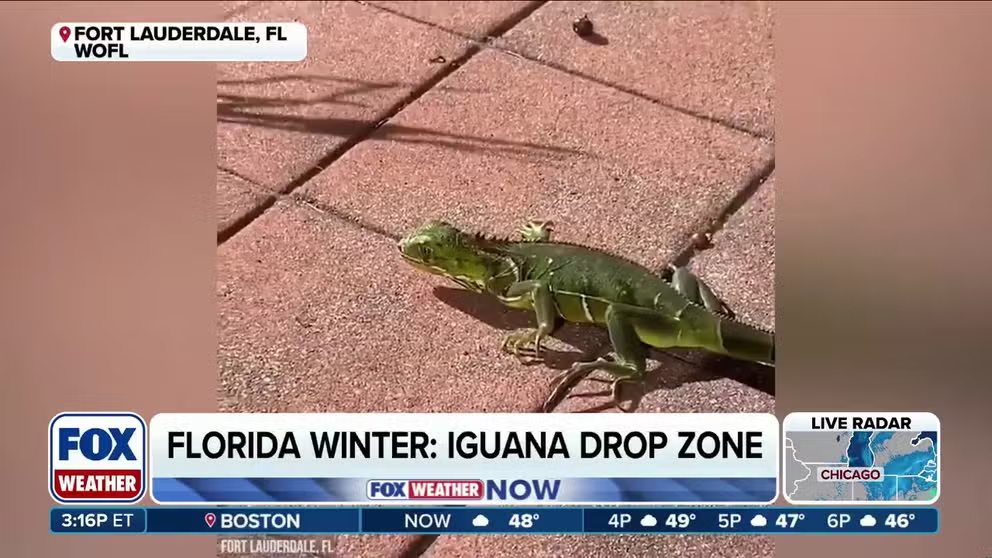
FILE: When temperatures drop in Florida, iguanas may fall from the trees
Temperatures in Florida in the wintertime can get into the 40s and 50s, and when that happens, iguanas are often found "frozen" on sidewalks due to being cold-stunned. Ron Magill, the communications director for Zoo Miami, joins FOX Weather to talk about the phenomenon and why it happens.
DRY TORTUGAS NATIONAL PARK, Fla.– More than five dozen green iguanas were captured and removed recently from the remote Dry Tortugas National Park, and officials have no idea how they got there.
In a post to social media, the national park said the South Florida Natural Resource Center's (SFNRC) Invasives Team recently visited the park for a targeted green iguana removal operation on Garden Key.
4 NATIONAL PARKS TO SPOT INCREDIBLE WILDLIFE AND HOW TO STAY SAFE
In just a week, 67 invasive iguanas were captured during the operation.
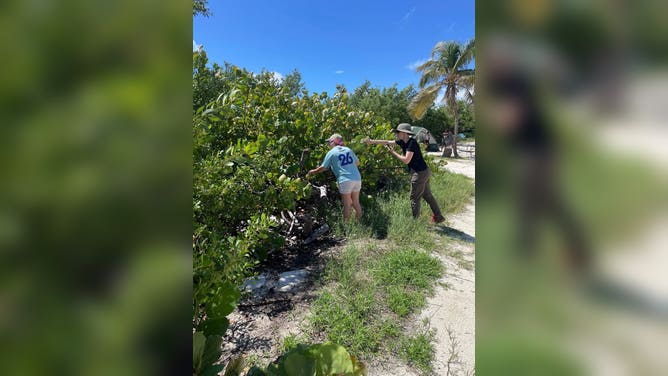
The team hunting for iguanas around Dry Tortugas National Park.
(NPS Photo / FOX Weather)
Located 70 miles from Key West, Florida, the lizards would've had to be brought on a plane or boat to get to the national park, which has no roads and isn't accessible by car.
WHERE DID IT GO? NATIONAL PARK SERVICE INVESTIGATES 88-YEAR MYSTERY OF MISSING SNAKE FOSSIL
Dry Tortugas National Park said the iguanas were caught inside and outside Fort Jefferson.
These iguanas can grow to be quite large, and aren't native to Florida.
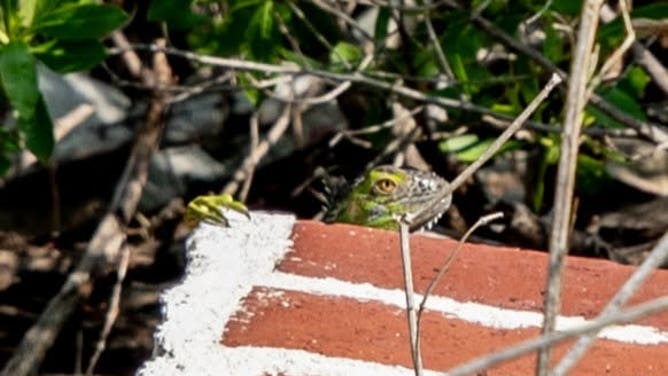
A green iguana hiding among brush in Dry Tortugas National Park.
(NPS Photo / FOX Weather)
They have the potential to threaten nesting seabirds, plants and even Fort Jefferson itself, the national park said.
The national park said the operation included day and night surveys along with a combination of hand and trap captures, and three interns from the University of Florida’s BioCorps internship program supported the operation with surveys and iguana removals.
Dry Tortugas is home to plenty of other native plants and wildlife, including nurse sharks, coral reefs, sea turtles and fish.

The South Florida Natural Resource Center's (SFNRC) Invasives Team who ran the iguana operation at Dry Tortugas National Park.
(FOX Weather)
They're illegal to possess in Florida, and can be humanely killed year-round without a license or permit in the state.
SEE THE REMAINS OF A HISTORIC HOSPITAL, CEMETERY THAT WERE FOUND UNDERWATER OFF THE FLORIDA COAST
Visitors at Dry Tortugas National Park are encouraged to report past and future sightings of green iguanas to iNaturalist or Florida’s IveGot1 apps, so biologists can continue to keep tabs on the population, the national park said on Facebook.