

Artemis II rocket on track to roll out to launchpad with hopes of sending humans further into space than ever
Rollout is scheduled to begin at 8 p.m. eastern on Thursday, being carried by NASA’s crawler-transporter 2 at 1 mph. The journey to the launchpad from the VAB is 4 miles long and could take up to 12 hours.
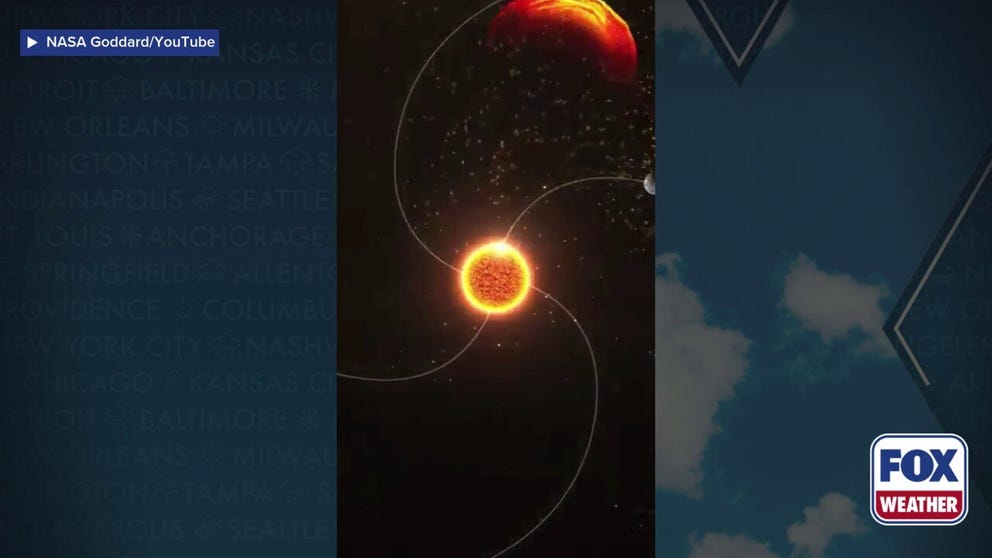
NASA to monitor Sun's activity during Artemis II mission around Moon
Solar activity can be dangerous to astronauts in space. As Artemis II prepares to launch on April 1, NASA will be monitoring the Sun's eruptions to help keep the Artemis crew safe from excess radiation.
CAPE CANAVERAL, Fla.– NASA is on track to roll out Orion and SLS, the spacecraft that will send four astronauts on a lunar flyby mission as part of Artemis II, marking the next step toward the mission with a goal of sending humans further into space than ever before.
This is the second time Orion and the SLS rocket will be rolled out to the launchpad at Kennedy Space Center in Florida.
HERE'S WHY NASA WILL MONITOR THE SUN FOR SOLAR ERUPTIONS DURING ARTEMIS II MISSION
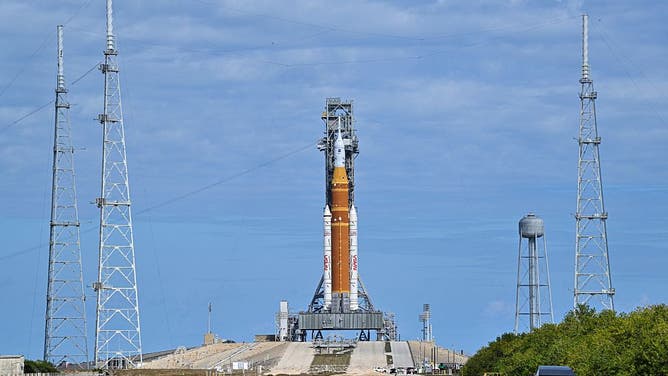
The Space Launch System (SLS) rocket and the Orion spacecraft, integrated for the Artemis II mission, are seen at Launch Pad 39B at the Kennedy Space Center in Cape Canaveral, Florida, on January 30, 2026 ahead of the first crewed mission to the Moon in more than 50 years.
((Photo by Miguel J. Rodriguez Carrillo / AFP via Getty Images) / Getty Images)
After rolling out to the launchpad in mid-January, the mission was delayed a few times following extreme cold and problems during and after two wet dress rehearsals testing the systems before launch.
The rocket was rolled back to the Vehicle Assembly Building in late February, where it has remained while repairs were being completed.
NEW DEVELOPMENTS IN NASA ELECTRONICS WILL LEAD TO FURTHER INTERPLANETARY EXPLORATION
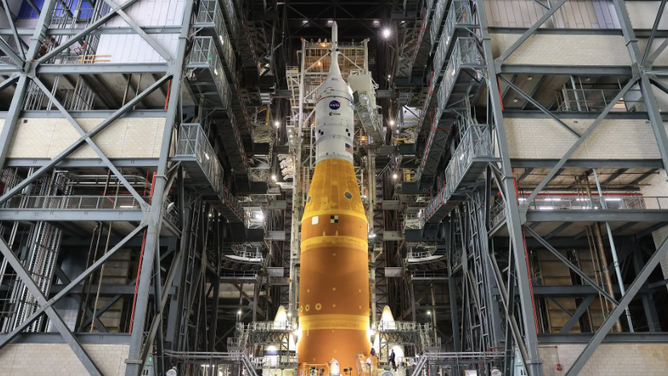
NASA’s Artemis II SLS (Space Launch System) rocket and Orion spacecraft, secured to the mobile launcher, stands vertical inside the Vehicle Assembly building on Tuesday, March 17, 2026, as preparations continue for rollout to Launch Complex 39B at NASA’s Kennedy Space Center in Florida.
(NASA)
NASA said in a recent press conference it doesn't plan to conduct a third wet dress rehearsal once back at the launchpad.
Additional work on the rocket will need to be done once it makes it to the launchpad, Lori Glaze, acting associate administrator of the Exploration Systems Development Mission Directorate, said.
NASA STILL ON TRACK TO LAUNCH ARTEMIS II TEST FLIGHT AFTER ROLLBACK DUE TO REPAIRS
Rollout is scheduled to begin at 8 p.m. eastern on Thursday, being carried by NASA’s crawler-transporter 2 at 1 mph. The journey to the launchpad from the VAB is 4 miles long and could take up to 12 hours, NASA said.
Meanwhile, the four astronauts crewed for the mission are in quarantine in Houston, where they will stay up until five days prior to launch day.
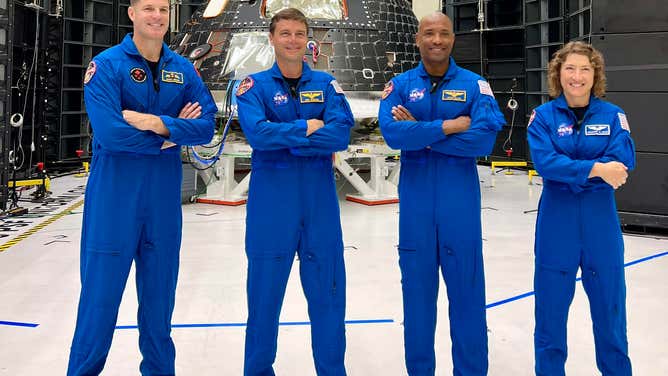
The Artemis II astronaut crew in front of the Orion spacecraft at Kennedy Space Center in Florida on Aug. 8, 2023. From left to right: CSA astronaut Jeremy Hansen and NASA astronauts Reid Wiseman, Victor Glover and Christina Hammock Koch. (Image: NASA)
(NASA)
At that point, they will fly to Kennedy Space Center and continue their quarantine until they launch into space.
Tentatively, NASA plans for an April 1 launch date, with five other dates available for launch in the first week of April.
Artemis II will fly humans farther from Earth and closer to the Moon than they've been in 50 years, with hopes of taking humans deeper into space than ever before.
The mission will last 10 days.