

See it: Ancient tomb and artifacts uncovered during expansion of Italian pasta factory
Among the discoveries were remarkably well-preserved pottery pieces, as being encased in stone chambers helped preserve these stunning images.

FILE: 2,000-year-old Roman-era shipwreck found in Italy
SEE IT: Divers off the coast of Sicily, Italy, were able to find a shipwreck from over 2,000 years ago during the age of the Roman Republic and the First Punic War.
THE TAKEAWAY
- A cemetery from the 6th century B.C. was found during the expansion of a pasta factory.
- Well-preserved tombs and rare funerary objects were found.
- The era dates back to before the influence of the Roman Republic.
NAPOLI, Italy – Workers made a surprise discovery of ancient artifacts during the expansion of a pasta factory in Italy earlier this summer.
According to the Superintendency for the Metropolitan Area of Naples, during an excavation campaign to expand the Garofalo Pasta factory in Southern Campania, officials stumbled upon a stunning necropolis containing a variety of cultural artifacts.
SEE IT: MASSIVE, PREHISTORIC DISCOVERY FOUND BY FAMILY SEARCHING FOR SEASHELLS ON THE JERSEY SHORE
A necropolis is a cemetery or burial ground from the ancient world.
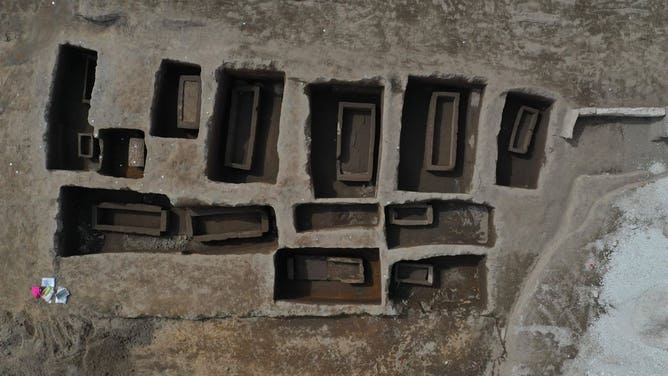
Cemetery from the 6th century B.C. found during the expansion and excavation of a pasta factory in Italy.
(Superintendency for the Metropolitan Area of Naples)
Within the necropolis, people found well-preserved tombs and rare funerary objects such as textiles and wood, showcasing daily life and practices from the 6th century B.C., before the beginning of the Roman Republic.
The cemetery isn't large, but gives the impression it belonged to a wealthy ruling class.
VIDEO: ROMAN-ERA SHIPWRECK FROM OVER 2,000 YEARS AGO DISCOVERED AT BOTTOM OF OCEAN NEAR SICILY
![Remarkably preserved pottery from the 6th century B.C.]() Image 1 of 5
Image 1 of 5Remarkably preserved pottery from the 6th century B.C. (Carlo Leggieri / Superintendency for the Metropolitan Area of Naples)
![Pottery and art remarkably preserved from the 6th century B.C.]() Image 2 of 5
Image 2 of 5Pottery and art remarkably preserved from the 6th century B.C. (Superintendency for the Metropolitan Area of Naples)
![Pottery found from excavation in Napoli, Italy.]() Image 3 of 5
Image 3 of 5Pottery found from excavation in Napoli, Italy. (Carlo Leggieri / Superintendency for the Metropolitan Area of Naples)
![Well-preserved pottery found in Italy.]() Image 4 of 5
Image 4 of 5Well-preserved pottery found in Italy. (Carlo Leggieri / Superintendency for the Metropolitan Area of Naples')
![Pottery and tombs found in a cemetery in Italy from the 6th century B.C.]() Image 5 of 5
Image 5 of 5Pottery and tombs found in a cemetery in Italy from the 6th century B.C. (Carlo Leggieri / Superintendency for the Metropolitan Area of Naples)
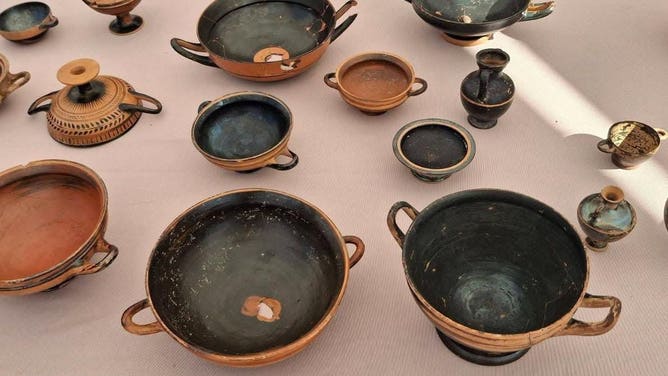
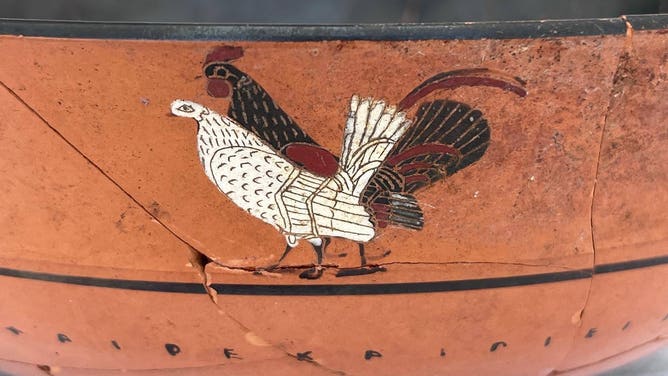
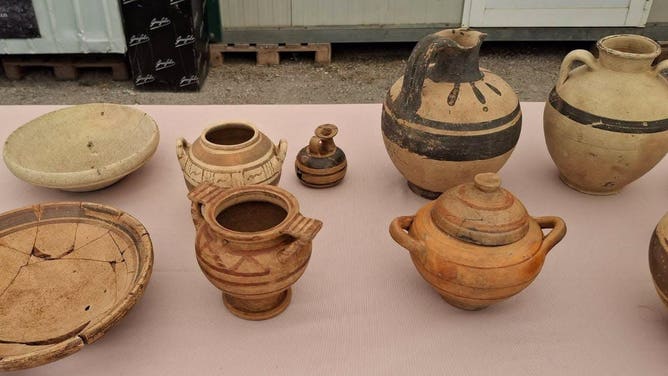
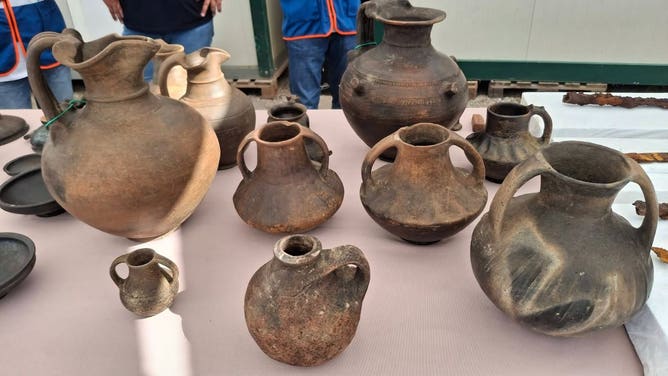
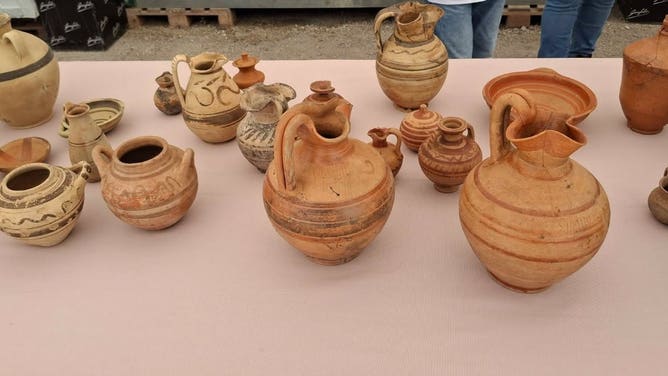
Among the discoveries were remarkably well-preserved pottery pieces, as being encased in stone chambers helped preserve these stunning images.
2,400-YEAR-OLD WRESTLER TOMB DISCOVERED IN THE ANCIENT CITY OF ASPENDOS
This provides a learning experience to analyze the region's history before the influence and what else we may find from this era.