

Health advisories issued for popular Florida Gulf Coast beaches due to fecal bacteria in water
Laguna Beach, Beach Drive and Carl Gray Park in the Panama City Beach area all tested positive for high levels of enterococci bacteria on Tuesday.
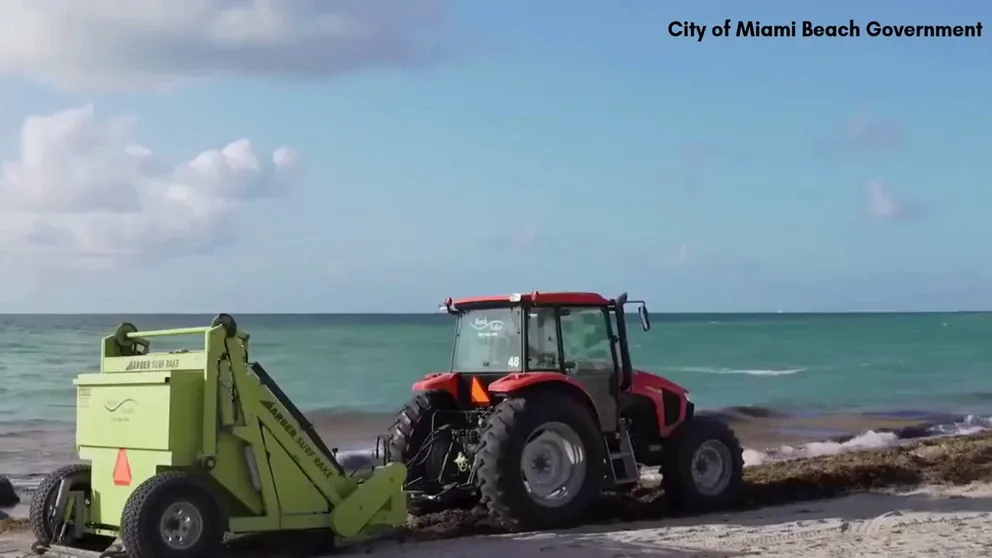
FILE: Miami Beach officials respond to heavy sargassum bloom
Sargassum seaweed is washing up along Miami Beach, leading to daily cleanup efforts from city crews. The City of Miami Beach, in coordination with Miami-Dade County Parks, is using beach-friendly equipment to blend the sargassum across the city’s 7.5-mile beach.
Three beaches in Bay County, Florida, are under an advisory due to excess bacteria found in the water.
Laguna Beach, Beach Drive and Carl Gray Park in the Panama City Beach area all tested positive for high levels of enterococci bacteria on Tuesday, according to the Florida Department of Health.
The beaches are not closed at this time.
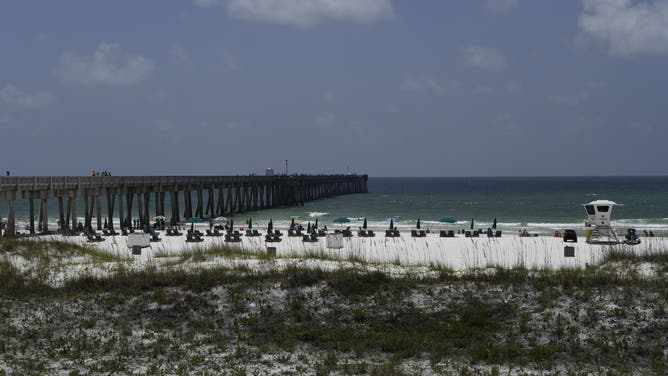
A pier stands at a beach in Panama City, Florida, U.S., on Friday, July 31, 2020.
(Aileen Perilla/Bloomberg / Getty Images)
According to the U.S. Environmental Protection Agency, enterococci are bacteria that live in the intestinal tracts of warm-blooded animals, including humans, and are commonly found in fecal matter.
When enterococci is found in lakes, rivers or ocean water, it can be caused by a number of factors, including stormwater runoff.
Florida has seen excess rainfall in the past week, with flash flooding being a primary concern.
The health advisories issued for these beaches indicate that contact with the water at these locations could cause an increased risk of infectious disease, the Florida Department of Health said.
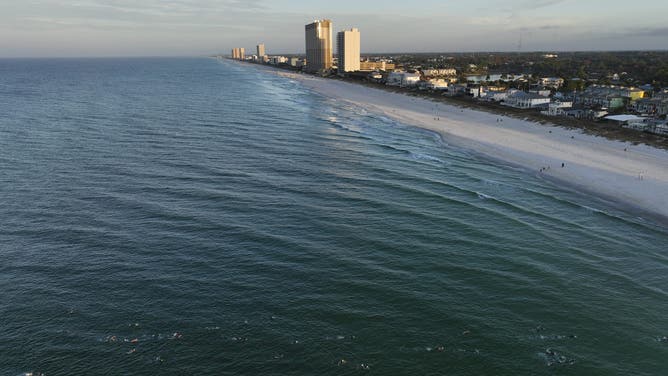
Aerial view of the beach in Panama City Beach, Florida on Nov. 5, 2022.
(Patrick McDermott / Getty Images)
The advisories will remain in effect until enterococci levels return to normal.
Until then, officials advise against swimming or water contact in these areas.