

Where Weather
Shapes the Game
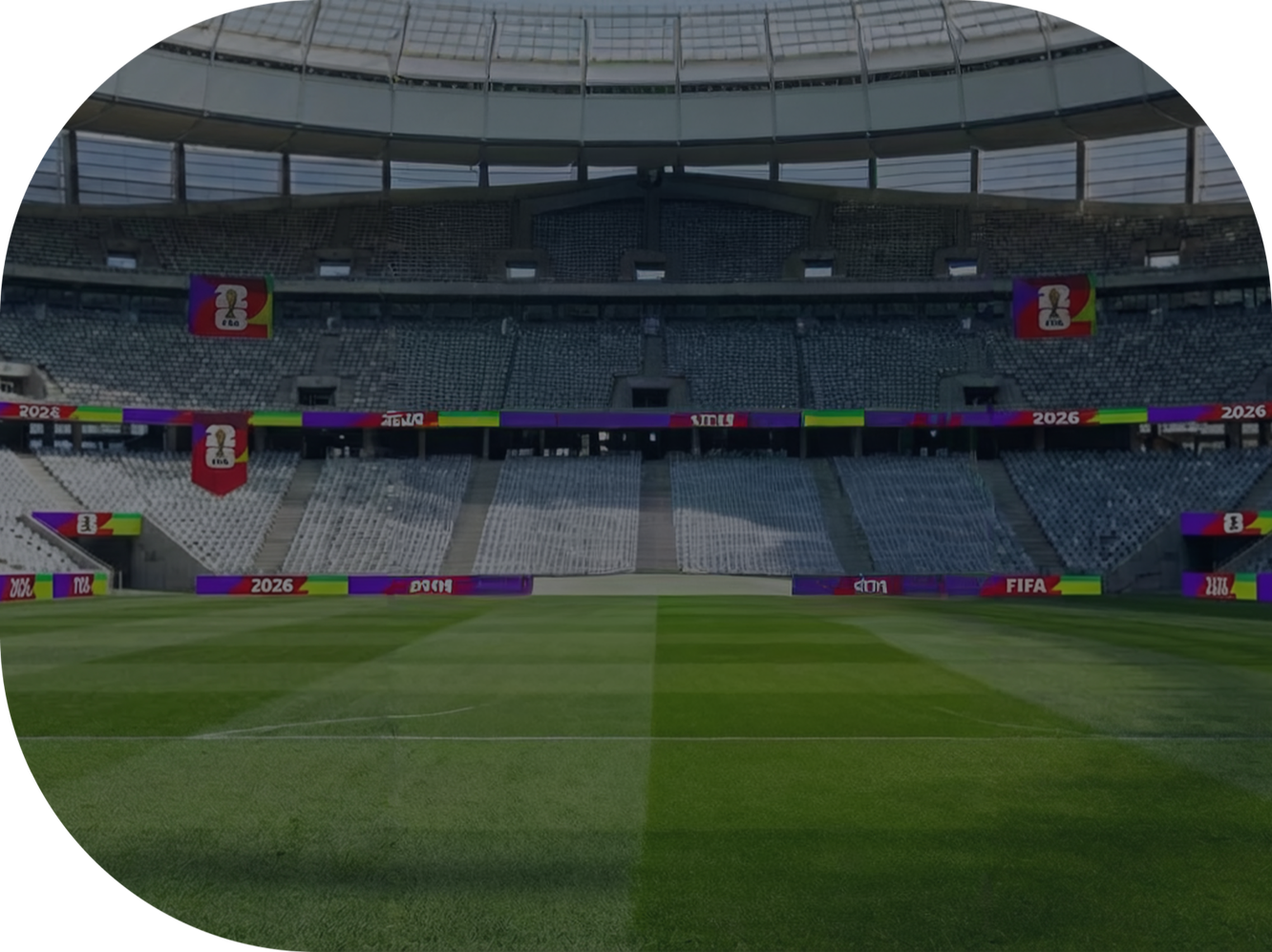
From Mexico City to Miami, 16 stadiums across three nations — and at every one, weather is more than a backdrop. It shifts strategy, tests players, and decides outcomes. Stream all the action live on FOX One.
View Full Schedule
Full Schedule
Never Miss a Moment
All matches with FOX Weather ROWI — Risk of Weather Impact — forecasts.

FOX is your home for the FIFA World Cup 2026TM. Download the FOX One app to stream every match, get real-time alerts, and never miss a moment — wherever you are. Stream all 104 matches live on FOX One.

Featured Matchups

Science of the Game
Why Weather
Matters
Weather can directly impact how the beautiful game is played — from pitch conditions to player performance.
Rain
Wet conditions reshape the pitch, the ball, and how coaches manage the game from first whistle to final penalty.
Rain reduces friction on natural grass, softening the pitch and changing how the ball travels. Modern match balls still absorb moisture — adding weight and altering flight. Wet grass slows through-balls, slippery surfaces invite turnovers, and goalkeepers punch crosses they'd normally catch.
Light Rain 0–0.2 in/hr
Minimal effect on ball physics. Slight reduction in pass accuracy. Pitch maintains traction with good drainage.
Moderate Rain 0.2–0.6 in/hr
Ball becomes heavier and flight paths shorten. Goalkeepers switch to punching. Teams shift to ground-based play.
Heavy Rain +0.6 in/hr
Pitch waterlogging forces defensive shape. Long-ball game becomes unreliable. Footing and slide tackles create injury risk.
Pitch Saturation Level
CONDITIONS: LIGHT RAIN · 0–5 mm/hr

Heat & Humidity
The deadliest combination in outdoor sport — high temperature compounded by humidity forces physiology, officiating, and tactics to adapt.
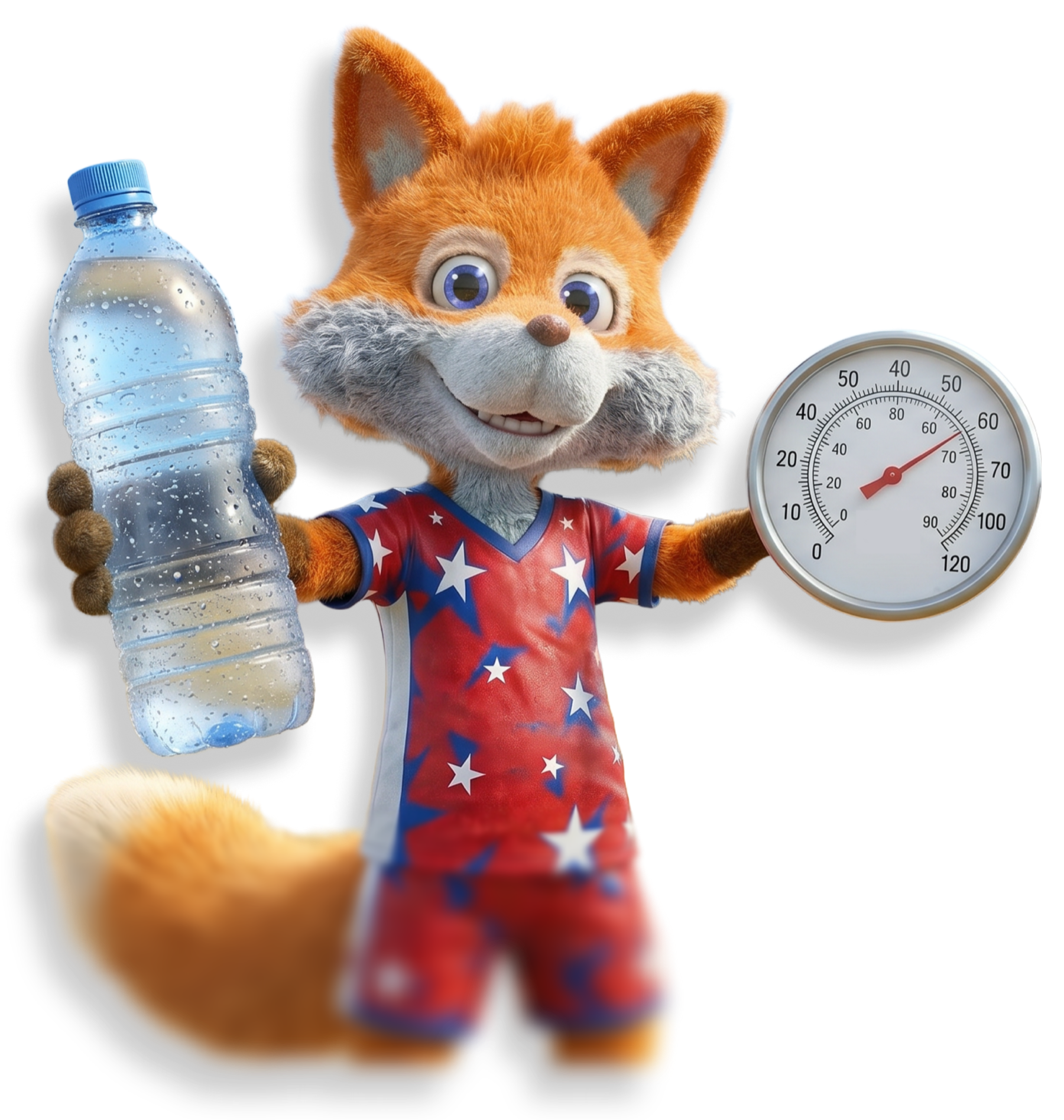
The 1994 World Cup is considered the hottest ever. WBGT (Wet Bulb Globe Temperature) combines air temp, humidity, wind speed, sun angle, and cloud cover. When it exceeds 82°F, FIFA mandates hydration breaks — which coaches use as tactical timeouts.
Safe <75°F WBGT
Normal play. Players manage heat through standard hydration protocols. No mandatory breaks required.
Caution 75–82°F WBGT
Performance begins to decline. Coaches manage substitution windows earlier to limit per-player heat stress.
Breaks Required +82°F WBGT
FIFA mandates cooling breaks at 30' and 75'. Coaches use these as tactical timeouts to reorganize pressing and set pieces.
Heat Index at Pitch Level
CONDITIONS: SAFE · WBGT <75°F

Wind
Strong winds change ball trajectories on every cross, free kick, and long shot — forcing coaches to rethink the aerial game entirely.
Modern match balls are engineered for aerodynamic stability, but strong winds still produce unpredictable movement on crosses, free kicks, and long shots. Wind resistance also accelerates fatigue — players working against a headwind burn more energy than the distance alone suggests.
LOW 0–6 MPH
Modern match balls maintain aerodynamic stability with minimal trajectory deviation. Ideal conditions for precision passing and shooting.
MODERATE 6–12 MPH
Noticeable curve on crosses and free kicks. Players must adjust aim and power. Headwind increases energy expenditure during runs.
STRONG +12 MPH
Unpredictable movement forces complete tactical rethinking. Long shots and crosses become extremely difficult. Fatigue accelerates significantly.
Ideal Trajectory (No Wind)
WIND FORCE: 3 MPH →


“Weather is a factor no team can prepare for in a training session. The teams that adapt fastest to conditions on match day . . . will have a decisive advantage at this World Cup.”

Mauricio Pochettino · USA Men's Soccer Head Coach

Host Stadiums
16 Venues
3 Nations
From Mexico City to Vancouver, each outdoor stadium presents unique weather challenges. Click a pin to explore each venue.

Host Stadiums
Mixed or changing conditions
Low weather impact
Precipitation likely
Elevated heat index
High temps, sunny & dry

Follow the Action
Stream All 104 Matches
FOX One is your home for the FIFA World Cup 2026TM. Download the FOX One app to stream every match, get real-time alerts, and never miss a moment — wherever you are.
Download the App